
Last updated November 24, 2026
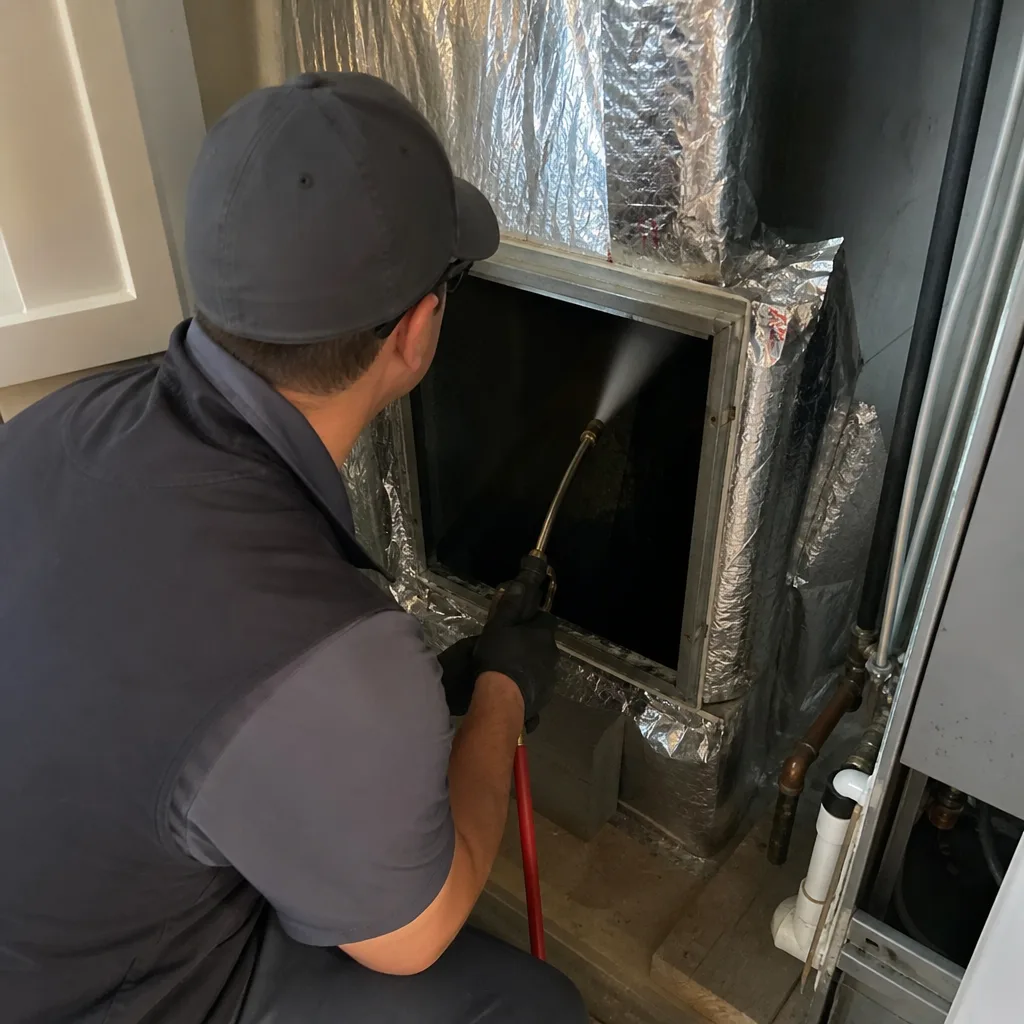
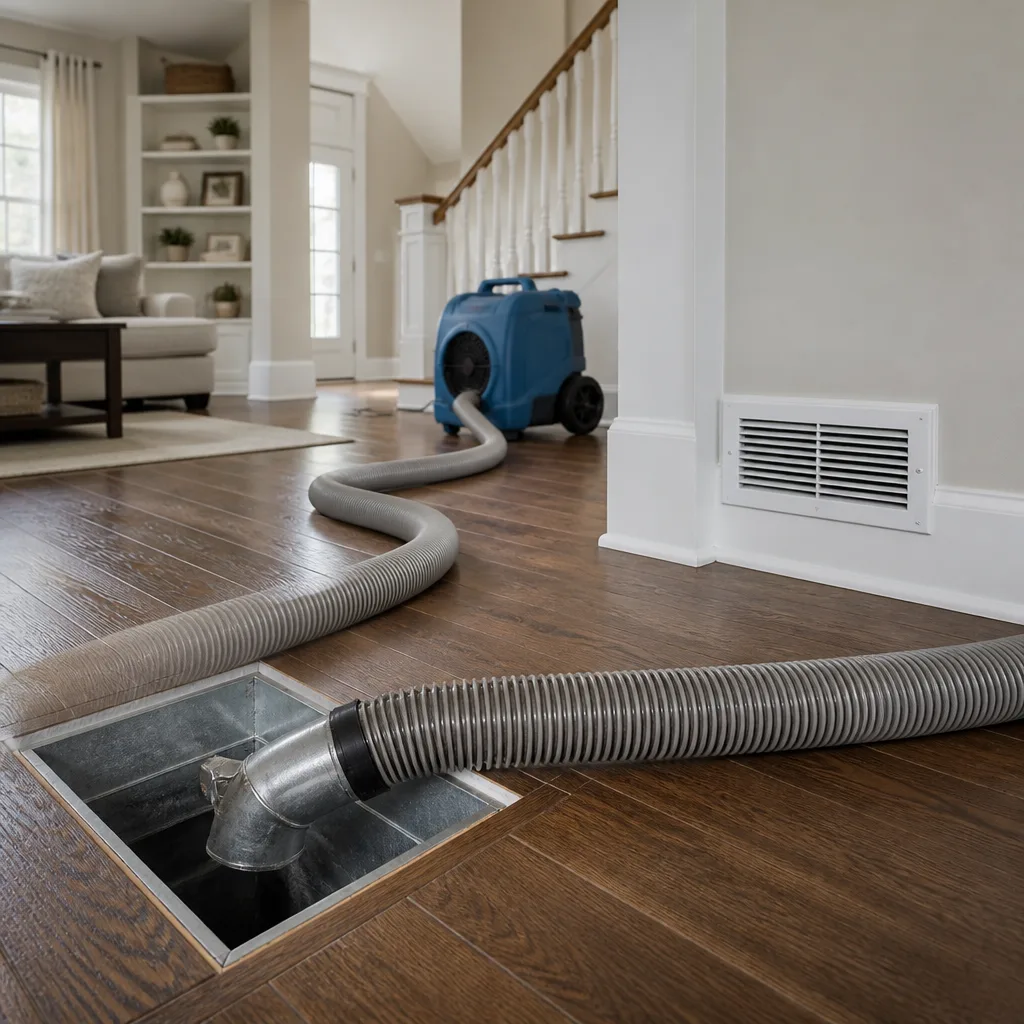 Whole-home duct cleaning
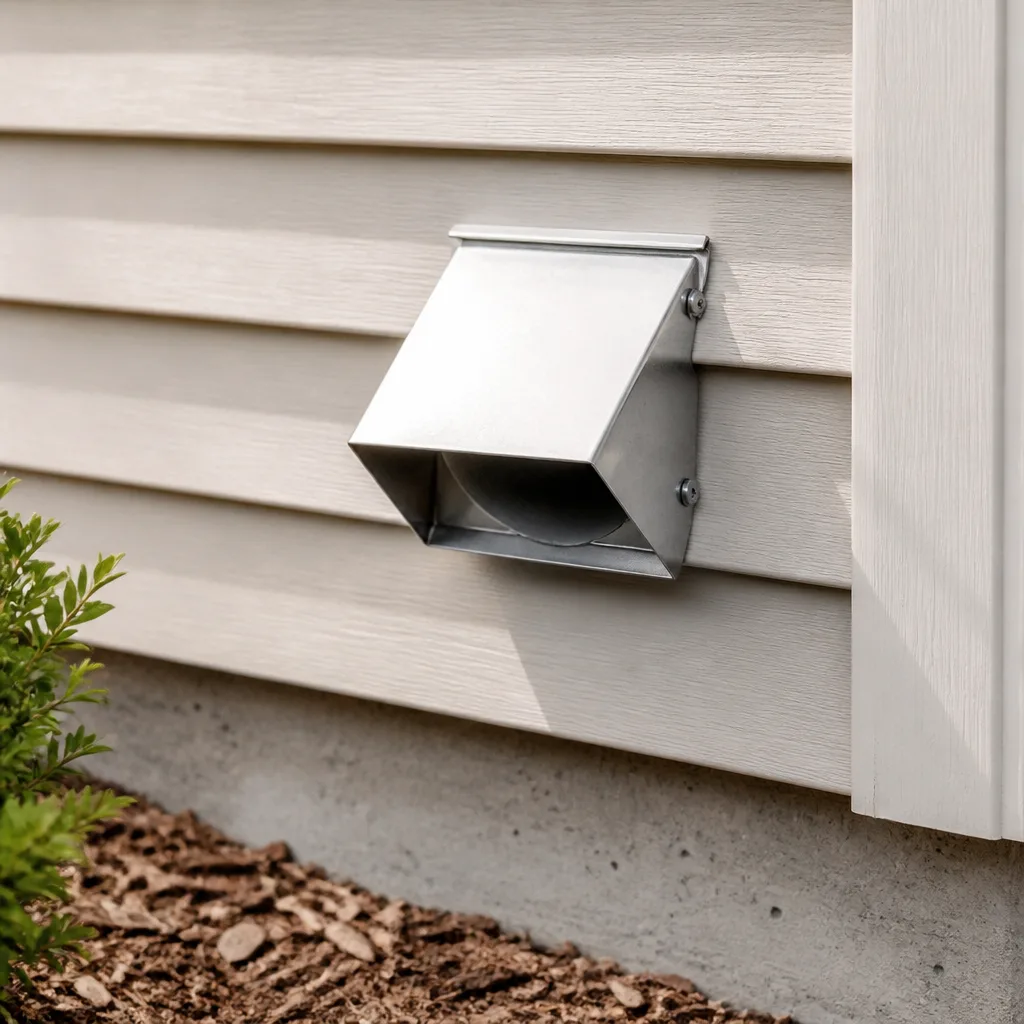 Dryer vent cleaning
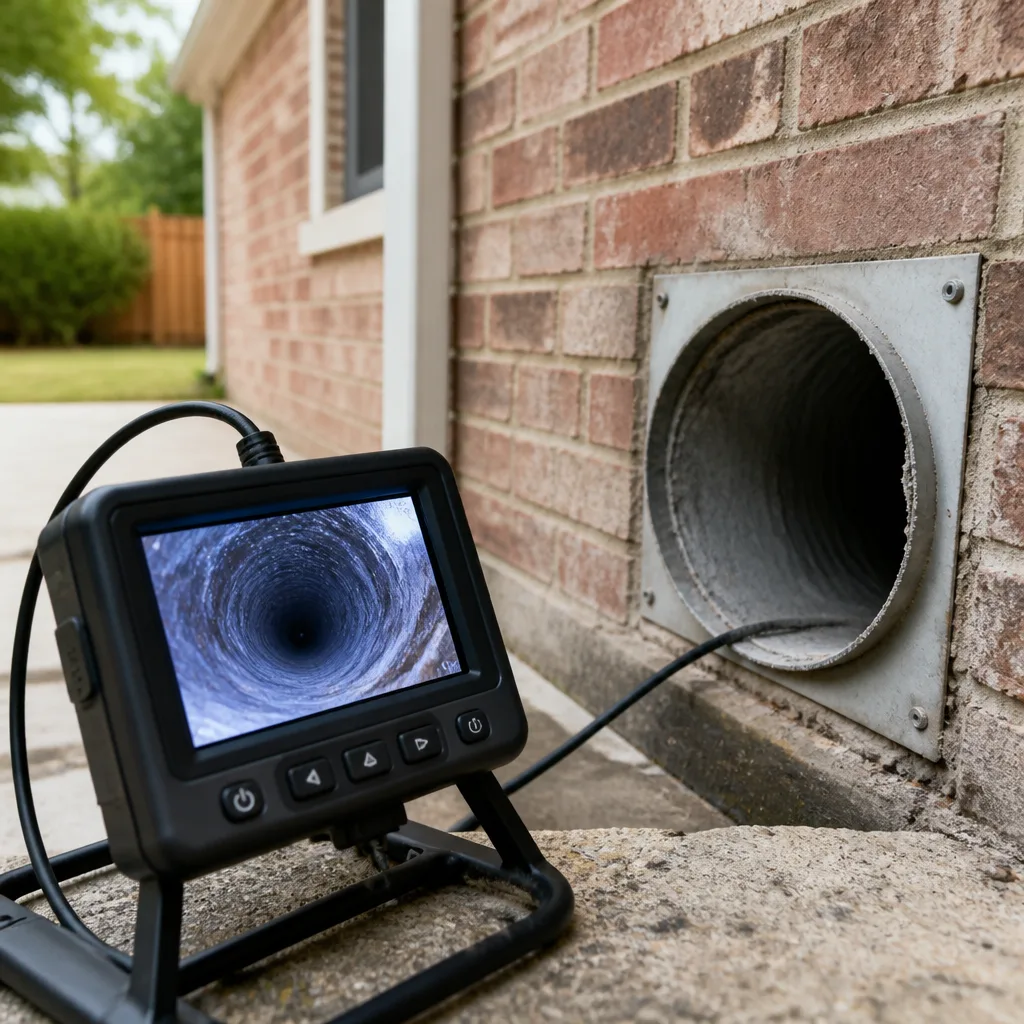 Camera inspection
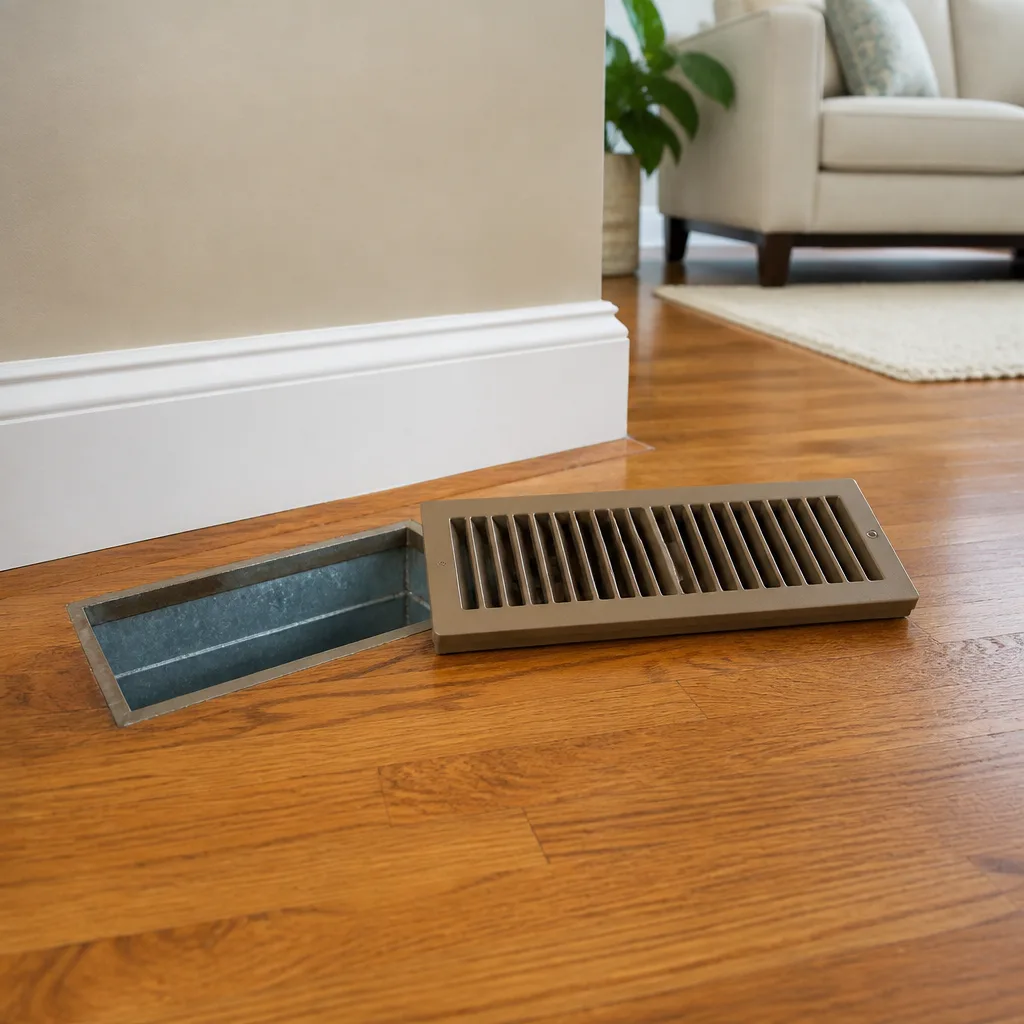 Sanitizing & deodorizing
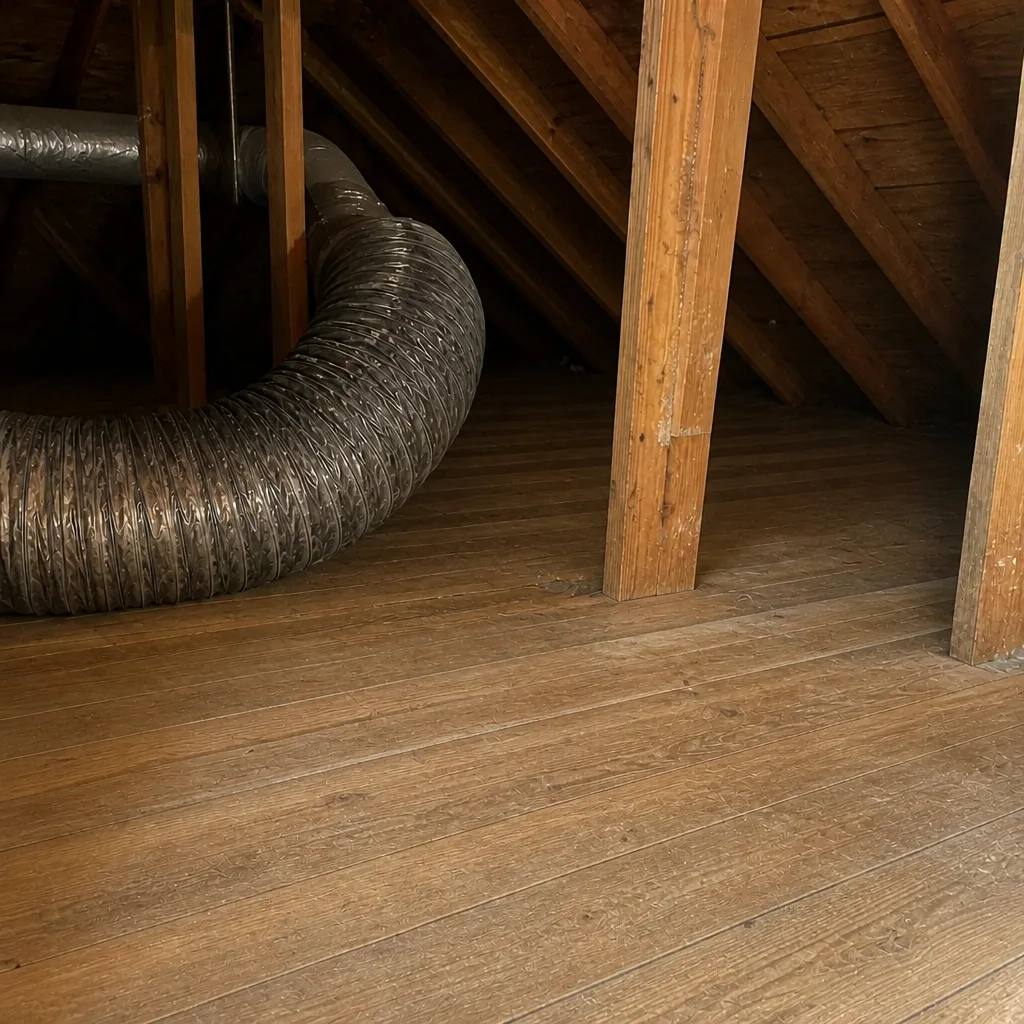
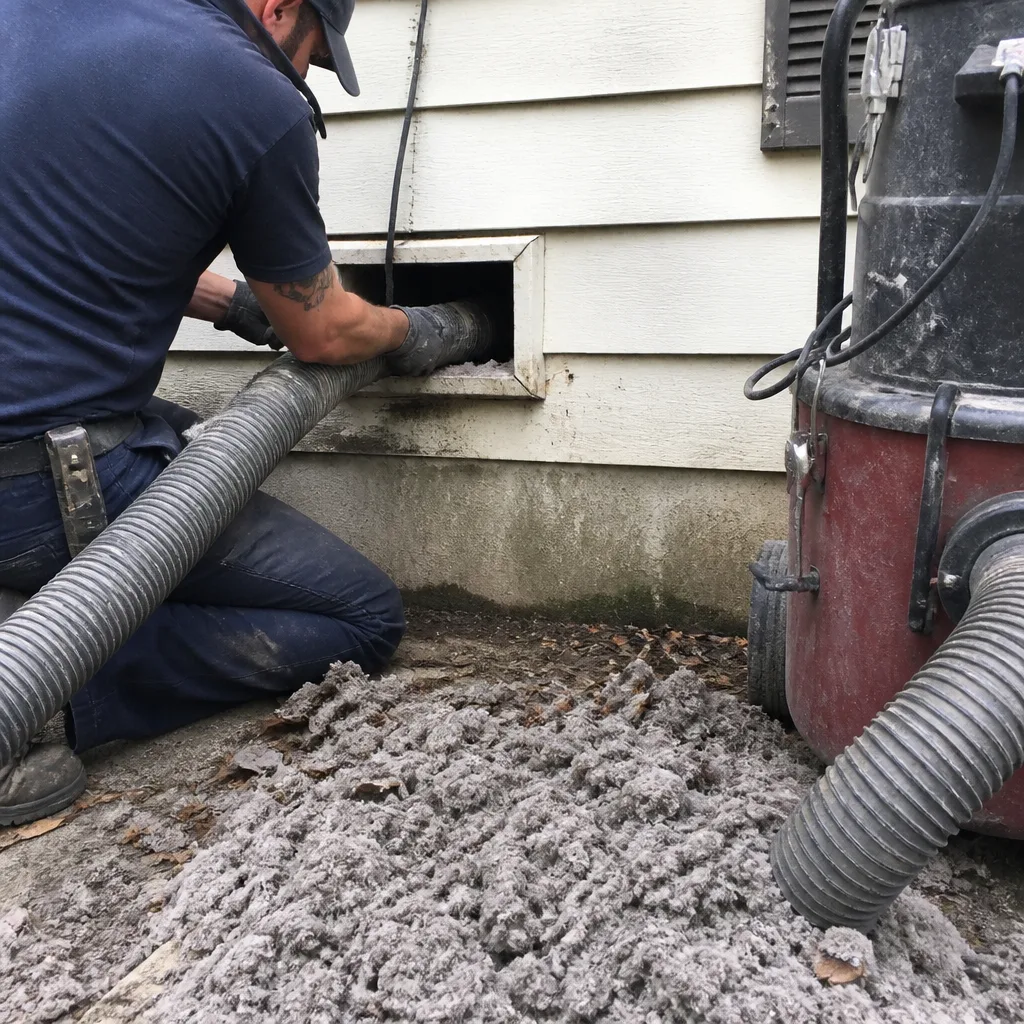
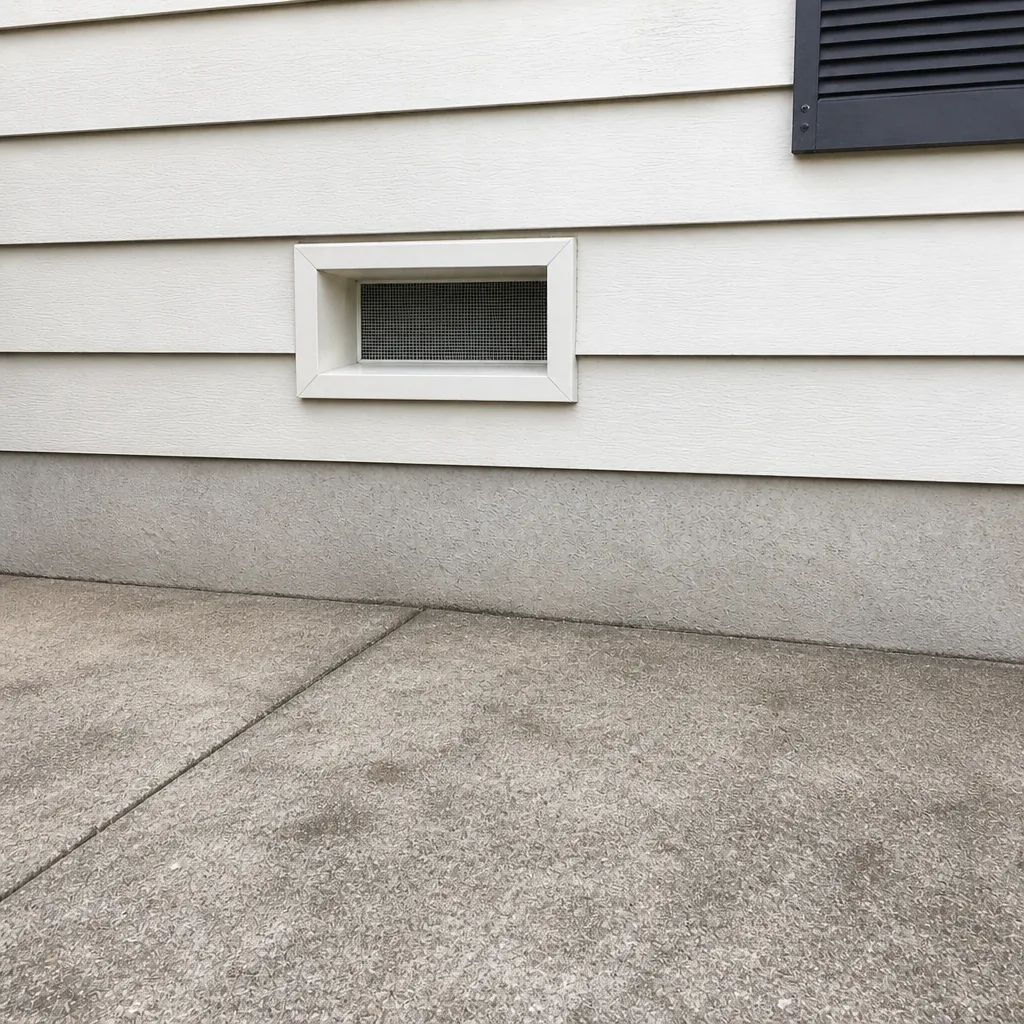
Whole-system duct and dryer vent check with before-and-after photos - you see exactly what came out of your vents
That "$99 whole-house special" is a bait ad - the real number appears once they are in your hallway, or the "clean" is a shop-vac at the register. We photograph the inside of your ducts before and after instead.
Air Duct Cleaning Maintenance Checklist for Irving Park Homeowners
A clogged return grille doesn’t just cut airflow. It changes the pressure balance of your whole duct system, and that’s the part most homeowners never hear about. When return air can’t get back to the blower fast enough, the system pulls unconditioned air from wherever it can: attic seams, crawl space gaps, the joint where a trunk line meets a boot. A professional cleaning can be undone in a season by that pressure problem alone. This guide gives Irving Park homeowners a real maintenance schedule, with monthly, quarterly and annual tasks, plus the pressure check and inspection habits that keep clean ducts from quietly going back to dirty.
Quick Answer
A working maintenance routine for ductwork comes down to three habits: check and change filters on a real schedule, do a quick airflow and static pressure check at your supply vents every month, and look for flex duct sag or separation in the crawl space every few months. Schedule professional air duct cleaning at a sensible interval for your home, usually every few years for a typical system and sooner with pets, heavy dust or recent renovation. The tasks you do between professional visits are what protect the investment.
Styles & brands we work with
- Whole-home duct cleaning
- Dryer vent cleaning
- Camera inspection
- Sanitizing & deodorizing
Table of Contents
- Monthly: What to Check in Ten Minutes
- The Tissue and Incense Static Pressure Check
- Filter MERV Ratings for Irving Park’s Pollen Season
- Quarterly: Return Grilles, Flex Duct and Smells
- Inspecting Flex Duct in Crawl Spaces
- Annual: The Full Walk-Through
- Logging Your Maintenance So a Technician Can Read It
- When to Call a Professional
Monthly: What to Check in Ten Minutes
Once a month, walk the house and look at what your system is telling you. You’re not trying to fix anything here. You’re collecting signals. In our experience, the homes that get into trouble are the ones where nobody looked at a return grille for a year and a half.
Here’s the monthly routine we suggest for Irving Park homes:
- Hold a tissue to each supply vent. The airflow should be steady and strong enough to hold the tissue against the grille. A vent that flutters or barely holds the tissue is a signal worth writing down.
- Look at the return grille face. A visible grey mat of dust on the return is the first sign the filter is loaded or bypassing.
- Check the filter itself. Hold it up to a window or a light. If you can’t see light through it, it’s done, whatever the calendar says.
- Smell at the return. Musty, sour or “basement” odor coming back through the return points to moisture somewhere in the system, not just dust.
- Listen at the air handler. A new whistle or a harder-working hum can mean restricted airflow.
- Write it down. Date, what you saw, what you smelled. That log is worth more than you’d think at the next service visit.
None of this takes more than a few minutes per vent. What it does is catch a pressure or airflow problem while it’s still cheap to fix, instead of after it has pulled a layer of crawl space dust through a freshly cleaned trunk line. Irving Park homes with older duct systems benefit most from this habit, because the seals have had more time to loosen.
The Tissue and Incense Static Pressure Check
You can get a rough read on your system’s static pressure with a tissue or a lit incense stick and nothing else. The idea is simple: static pressure is the resistance air meets as it moves through the ductwork, and when it climbs, airflow at the far vents drops first. You don’t need a gauge to notice the drop. You just need to compare vents to each other.
Here’s how to do the check:
- Run the system on fan only so you’re testing airflow, not heating or cooling.
- Start at the vent closest to the air handler and hold the tissue flat against the grille. Note how strongly it’s pulled and how evenly.
- Move to the farthest vent on the same branch. If the far vent is noticeably weaker than the near one, the branch is losing pressure somewhere, or the run is undersized or crushed.
- Use the incense stick for a finer read. Hold it near the grille edge. A steady, even draw is normal. A pulsing or reversing draw, or smoke pulled back toward the gap around the grille, tells you the boot or connection isn’t sealed.
- Compare the same vent across rooms. One weak room while the rest are strong is a duct problem, not a filter problem.
What you’re really doing is building a baseline. When a vent that used to hold a tissue flat stops doing it, you now have a date, a room, and a symptom to hand a technician. That turns the next visit from a guess into a diagnosis. For reference on what a full professional air duct cleaning visit covers, we’ve laid that out separately, because this check is the between-visit layer, not a substitute for it.
Filter MERV Ratings for Irving Park’s Pollen Season
Higher MERV does not mean better for every system. A filter that catches finer particles also resists airflow more, and if your blower motor wasn’t built for that resistance, you’ve traded dust in the air for a harder-working motor and weaker airflow at the far vents. That trade isn’t worth it in most homes.
What matters here is the pollen calendar. Irving Park’s spring tree pollen and late-summer weed pollen are the two stretches when a finer filter does the most good. Outside those windows, a mid-range filter is usually the better match for the blower, and it’s less likely to choke airflow.
- Cheap fiberglass filters catch almost nothing fine. They protect the equipment, not the air. Fine for a system with no one sensitive in the house, but not a long-term plan.
- Mid-range pleated filters are the practical default for most Irving Park homes: decent particle capture with airflow the blower can handle.
- High-MERV filters can strain a blower not designed for them. If you want one, match it to what the equipment was built for, and watch your far-vent airflow in the first week.
- Filter sizing and fit matter as much as the rating. A filter that’s too small lets air bypass around the edges, which means unfiltered air into the system no matter what the label claims.
If you’re changing to a higher filtration level and want to do it right, a system built around a Honeywell or Aprilaire cabinet filter gives you a proper sealed fit rather than a panel dropped into a slot. That’s the difference between filtering air and hoping air goes through the filter.
Quarterly: Return Grilles, Flex Duct and Smells
Every few months, go deeper than the monthly glance. These are the tasks that catch the problems that build slowly. Irving Park homes sit in a climate with real humidity swings, so moisture and settling both deserve a look on this schedule.
- Wipe and inspect the return grilles. A grille face that’s matted again a few weeks after cleaning means dust is being pulled in from somewhere, often a loose duct joint behind the wall.
- Look behind the grille, not just at it. With the grille off, check that the duct connection at the boot is intact and taped or sealed.
- Walk the crawl space or attic with a light. Look for sagging flex duct, disconnected runs, or duct resting on the ground or insulation.
- Smell-test each room. A musty room that the rest of the house doesn’t share often has its own duct or boot problem.
- Check the dryer vent path. Lint buildup is a fire-safety issue, not just an efficiency one. See our dryer vent cleaning page for how that service is handled.
- Look at the air handler cabinet. Dust streaks around a seam mean the cabinet isn’t sealed and the system is drawing attic or crawl space air.
One detail people miss: a light layer of dust on the grille doesn’t mean the ducts are dirty. Dust on the inside of a return, or a smell with no visible dust, is the stronger signal. Those are the things to note in the log and bring up at the next service.
Inspecting Flex Duct in Crawl Spaces
Flex duct sags, crimps and separates, and crawl spaces are where it happens most. A run that has dropped off its support and is resting on the ground is squeezed flat, and a flattened duct can’t carry its rated airflow. That means the far room stays weak no matter how clean the duct is. This is one of the more common issues we come across in Irving Park homes with older duct runs.
Here’s the inspection protocol to run every few months:
- Take a bright light and go through slowly. You’re looking for the whole run, not just the part near the hatch.
- Check support. Flex duct should be supported along its length, not sagging between hangers. A long sag is a future restriction.
- Look for kinks and sharp bends. A tight 90-degree turn in flex duct crushes the inner liner and cuts airflow.
- Check every connection. Look at the joints where flex meets a trunk or boot. Separated or untaped joints pull unconditioned crawl space air straight into the system.
- Look for moisture and pest evidence. Damp insulation, staining, or droppings mean the duct needs attention beyond cleaning.
- Photograph what you find. A couple of phone photos in the log save a lot of guessing later.
If you find separated or crushed runs, that’s a repair and sealing job, not a cleaning job. Duct repair and sealing is a separate capability from cleaning, and it’s the one that actually recovers the efficiency loss. We seal what we clean, so if a run is disconnected we can address it in the same visit rather than leaving you with a clean duct that still leaks.
Annual: The Full Walk-Through
Once a year, do a complete pass over the whole air pathway and decide whether the system needs professional attention. This is the visit where you stop spot-checking and look at the system as a whole, from the return grille to the supply registers to the air handler cabinet and the equipment itself.
- Compare all rooms’ airflow. Any room that’s consistently weaker than the rest is the one to flag.
- Review the full year’s log. Patterns matter more than any single entry. Three filter changes in a year on a filter rated for two is a signal.
- Check the outdoor unit and cabinet. Dust on the equipment and streaked seams point to air being drawn in where it shouldn’t be.
- Assess whether professional cleaning is due. Visible dust inside the ducts, persistent odor, recent renovation, or pets in the home all shorten the interval.
- Look at the whole pathway, not just the ducts. The blower, coil and cabinet are part of the system. Our HVAC cleaning page covers what’s involved there.
- Decide on repair and sealing. If the annual walk finds loose joints or crushed runs, book repair alongside the cleaning.
A useful way to think about the annual review: you’re not deciding whether to spend money. You’re deciding whether the system is holding the efficiency it’s capable of. A clean system with leaky joints loses much of that gain, and sealing closes the gap. That’s where duct repair and sealing pays off in ways cleaning alone can’t.
Logging Your Maintenance So a Technician Can Read It
A maintenance log turns three years of guesswork into a trend line. When we look at a system, the most useful thing a homeowner can hand over is a simple written record of dates, filter changes, airflow complaints and smells. That’s the difference between diagnosing the actual problem and treating a symptom.
Keep it simple. A notebook or a note on your phone works fine. What to record:
- Date of every filter change, with the filter’s MERV rating.
- Any vent that felt weak, and which room it was in.
- Any smell, where it was strongest, and when it started.
- Photos of the crawl space flex runs, taken from the same angle each time.
- Weather events or renovations that stirred up dust or could have disturbed ductwork.
- Any service visit, with what was cleaned, sealed or repaired.
At the next visit, a technician can read that log and see the shape of the problem. Filter changes creeping closer together, one room losing airflow over months, a smell that appeared after a humid stretch. That’s a diagnosis. Without the log, it’s a series of unrelated complaints. If you’re ready for a professional look at the whole system, a free estimate from Air Duct Cleaning Irving Park gives you a starting point.
See the difference
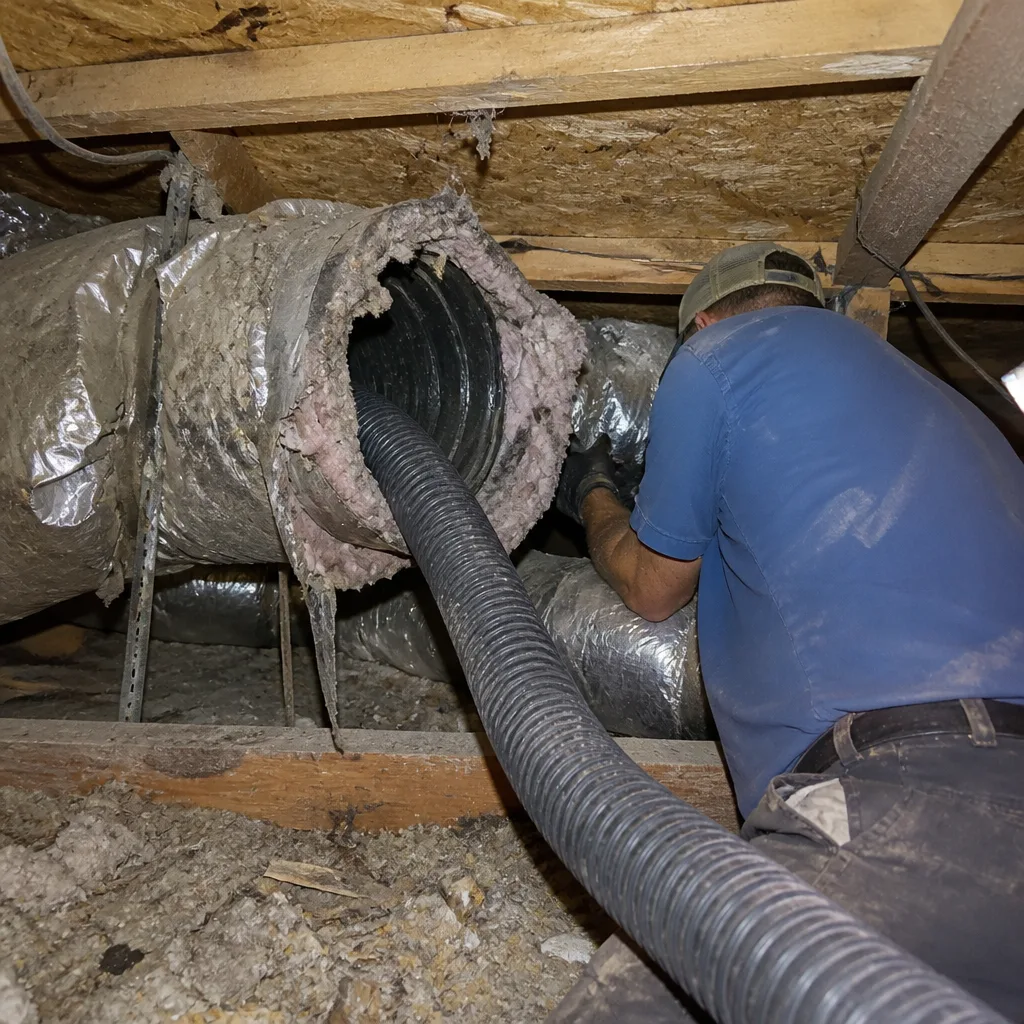 Before
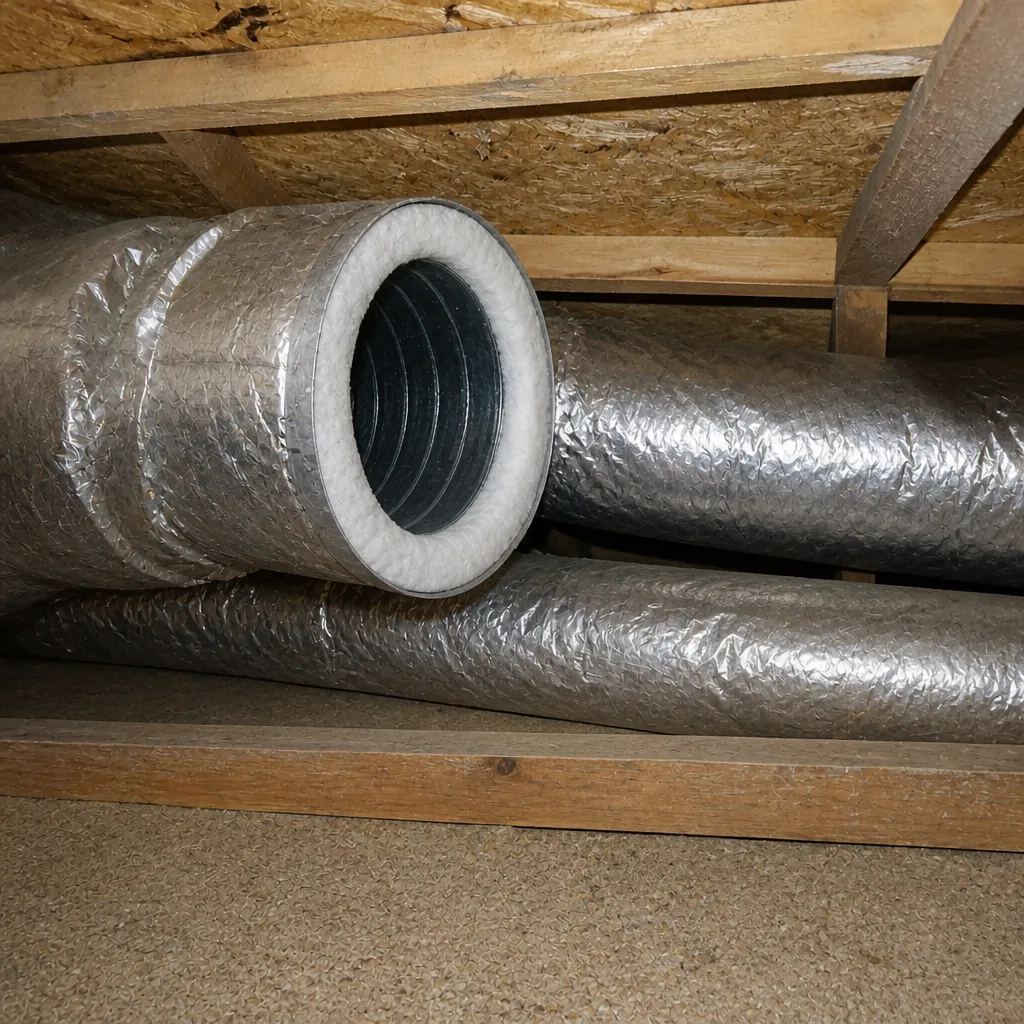 After
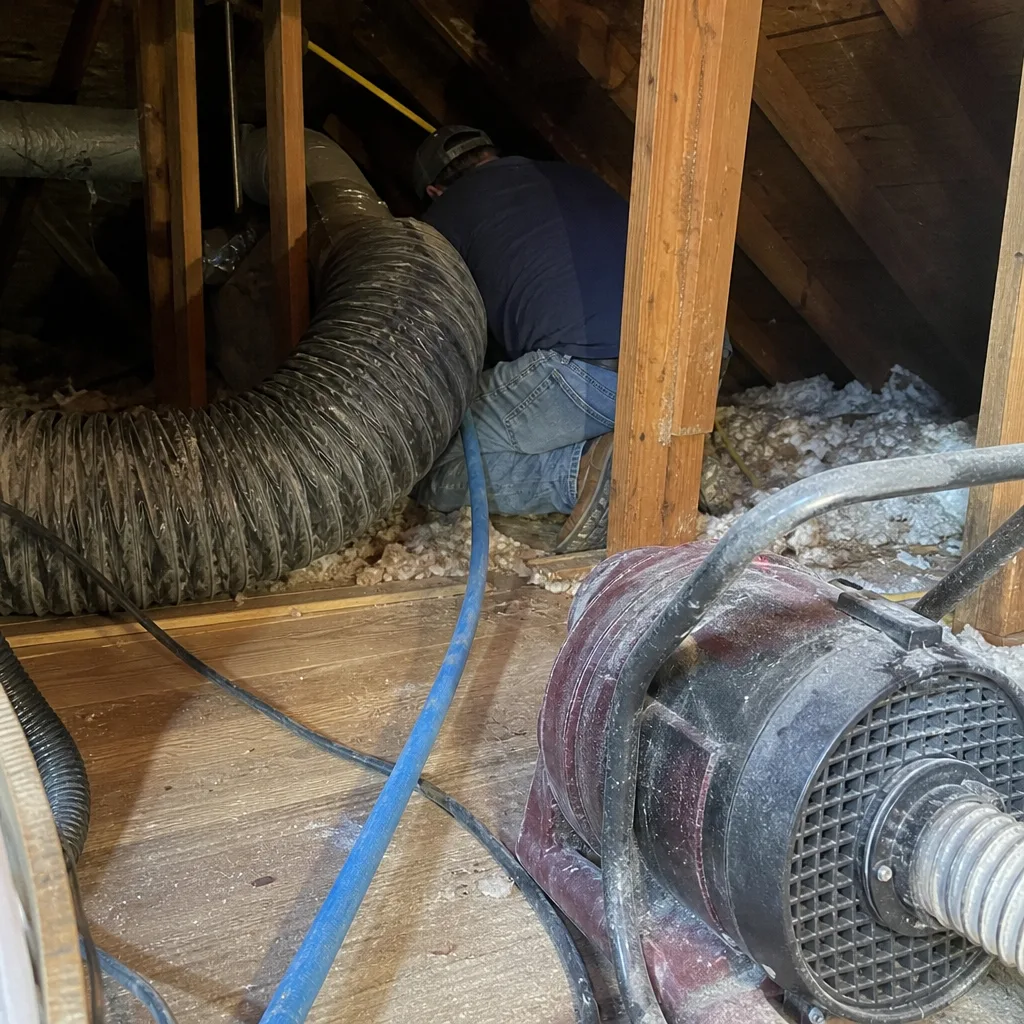 Before
 After
 Before
 After
Common Mistakes to Avoid
- Going for the highest MERV filter you can find. It can choke a blower not built for it and cut airflow to the far rooms. Match the filter to the equipment and the pollen season, not to the biggest number on the box.
- Only looking at the vents. The return grille, the air handler cabinet and the flex runs in the crawl space are where the real problems live. The vents are the easy part.
- Cleaning the ducts and skipping the sealing. Clean ducts with leaky joints pull crawl space air back in within a season. Sealing is half the job.
- Ignoring a smell. A musty return points to moisture, and cleaning over moisture without finding the source is a temporary fix. Track it down before booking.
- Changing filters on a calendar instead of on condition. A filter that’s loaded in three weeks is telling you something about dust in the system. Read it.
- Skipping the dryer vent. Lint buildup is a fire-safety concern, and it’s easy to forget because it doesn’t affect your comfort. It belongs on the quarterly list.
- Trusting a quote you didn’t ask questions about. A duct cleaning quote with no defined scope and no before-and-after photos leaves you with no way to know what was actually done.
When to Call a Professional
Call a professional when the signals point past routine maintenance. Visible dust inside the ducts or streaking at the registers, a persistent musty odor the log can’t explain, consistent weak airflow to one room, or flex duct in the crawl space that’s crushed or disconnected all call for a look beyond what you can do with a tissue and a light. Recent renovation, pets, or a system you’ve never had cleaned also shorten the interval. Our technicians have up to 9 years of experience with Rotobrush and Nikro equipment, and we handle cleaning, repair and sealing in one visit so you’re not calling a second company to finish the job. Air Duct Cleaning Irving Park offers free estimates in Irving Park. Call (855) 606-6578. We answer 24/7. Fast dispatch from 7am to 7pm, Sunday through Friday.
Frequently Asked Questions
Most Irving Park homes do well with professional cleaning every few years, and sooner if you have pets, recent renovation, or visible dust inside the ducts. The maintenance tasks in this guide are what determine whether your system makes it to that interval in good shape. Call (855) 606-6578 for a free estimate to see where your system stands.
On condition, checked against a schedule. Hold the filter up to a light, and if you can’t see through it, change it regardless of the calendar. Check it monthly during Irving Park’s spring pollen season. Call (855) 606-6578 if you’re not sure what filter your system was built for.
A single weak room almost always points to a duct problem on that branch, not a filter problem. It’s usually a crushed flex run, a separated joint, or an undersized branch. Check the crawl space first. Call (855) 606-6578 to have the branch looked at.
Yes, a rough version with a tissue or incense stick at the supply vents, and it’s worth doing. It won’t give you a measurement, but it will show you which vents are strong and which aren’t. Call (855) 606-6578 for a proper professional duct cleaning assessment of the full system.
That’s a repair and sealing job, not a cleaning job, and it’s worth fixing because a crushed run can’t carry its airflow no matter how clean it is. We handle duct repair and sealing alongside cleaning. Call (855) 606-6578 for a free estimate.
Ask for before-and-after photos of your own ducts, and a defined scope of what was cleaned and sealed in the written estimate. A contractor working with proper equipment should have no trouble showing you the difference. Call (855) 606-6578 to book a free estimate.
The Bottom Line
Clean ducts don’t stay clean on their own. The monthly tissue check, the quarterly crawl space walk, the annual full pass and the maintenance log are what keep a professional cleaning from becoming an annual expense. Watch the return grille, watch the far vents, listen for the system working harder, and match your filter to the equipment and the pollen season rather than to the highest MERV number. When the signals point past what you can see, one call covers cleaning, repair, sealing and air quality treatment, so you don’t need to line up a second contractor. Start the log this month. Your next technician will thank you.
Written by the team at Air Duct Cleaning Irving Park.