
Last updated November 24, 2026
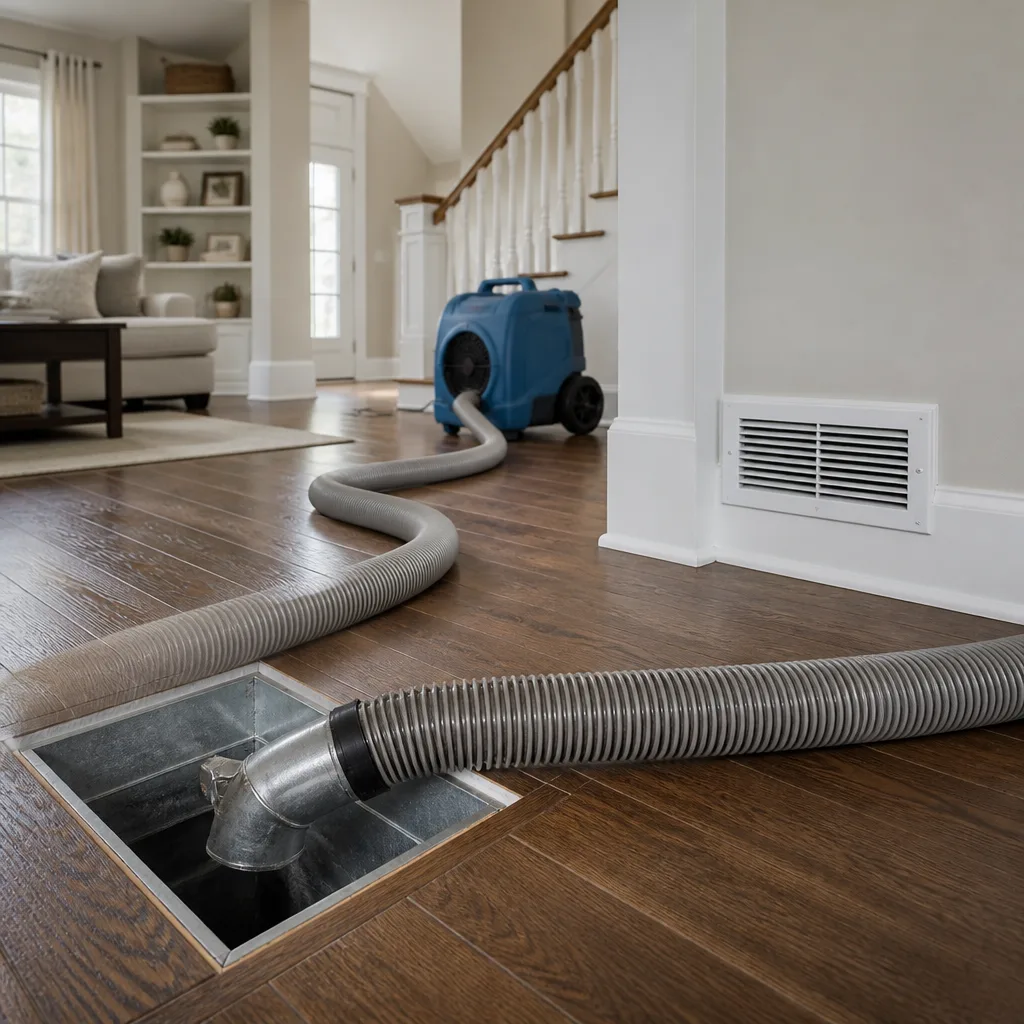 Whole-home duct cleaning
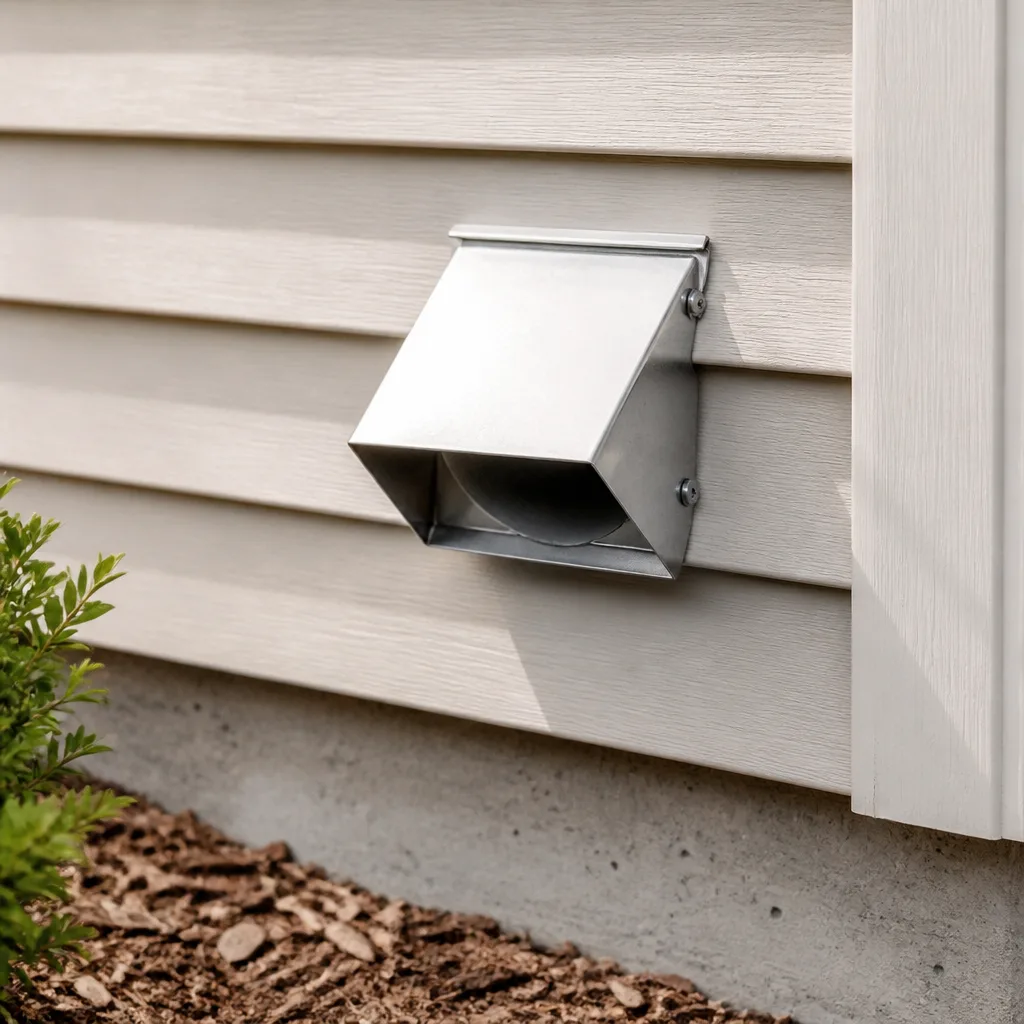 Dryer vent cleaning
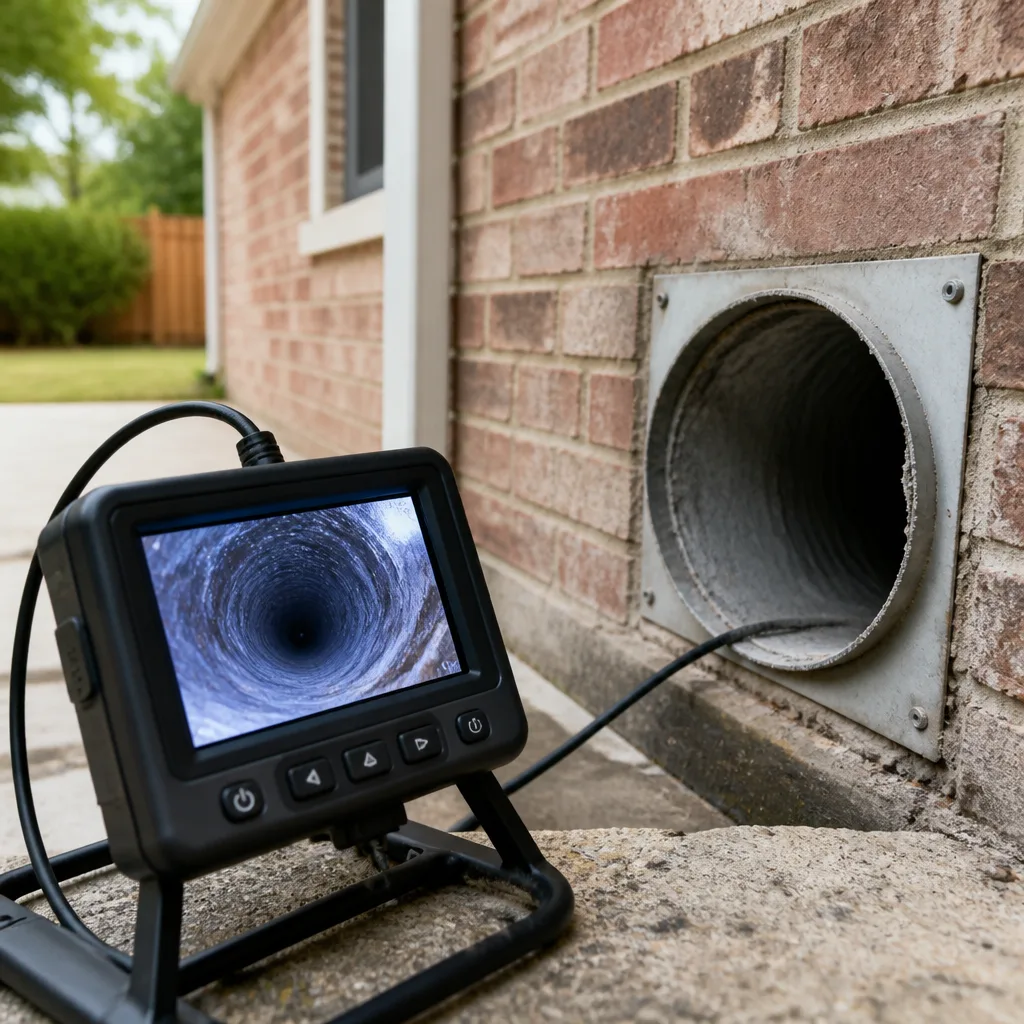 Camera inspection
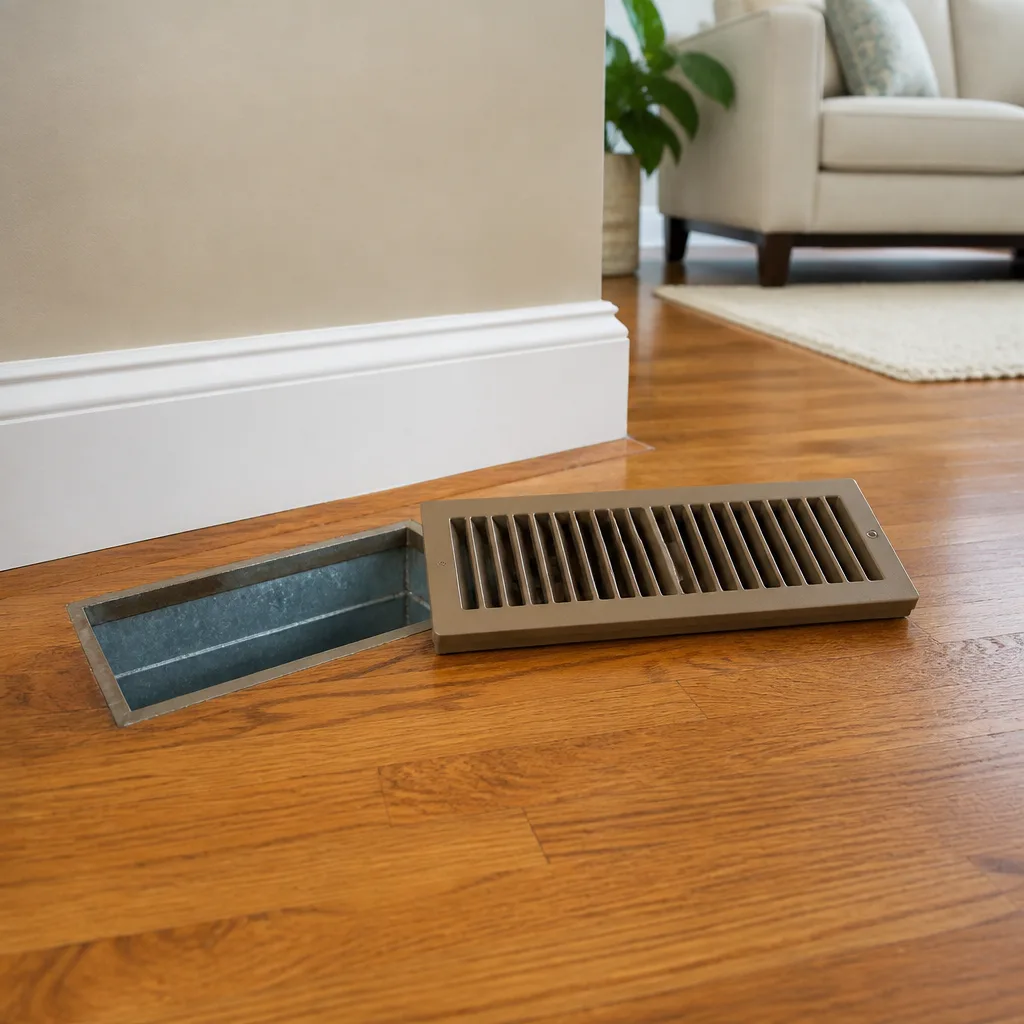 Sanitizing & deodorizing
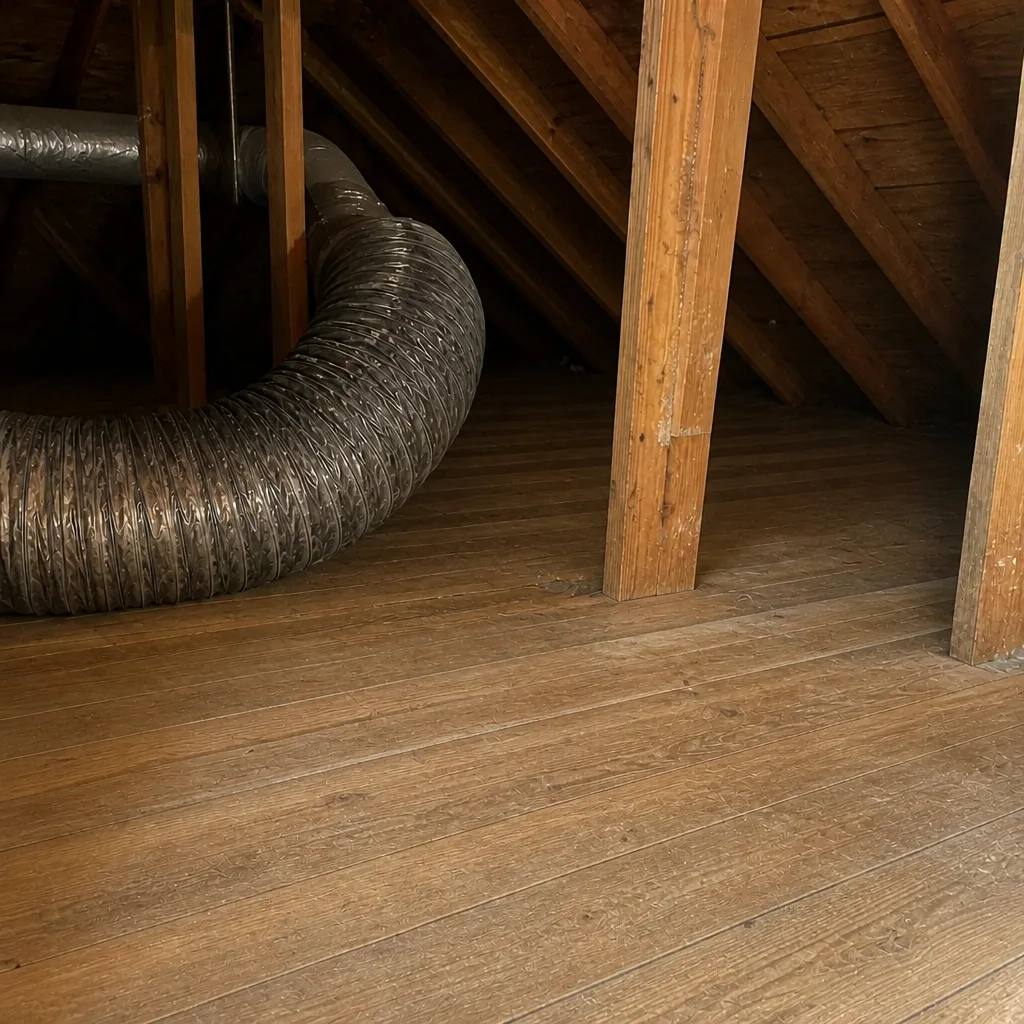
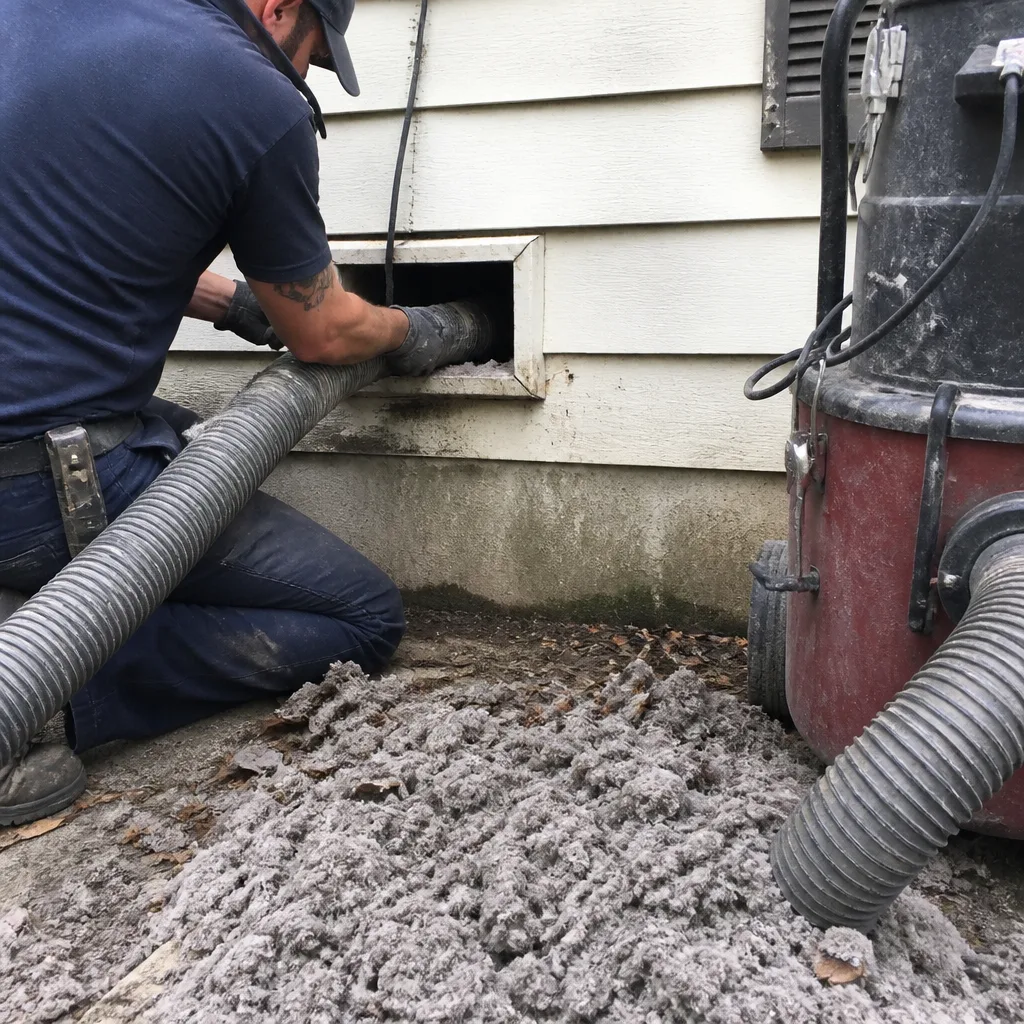
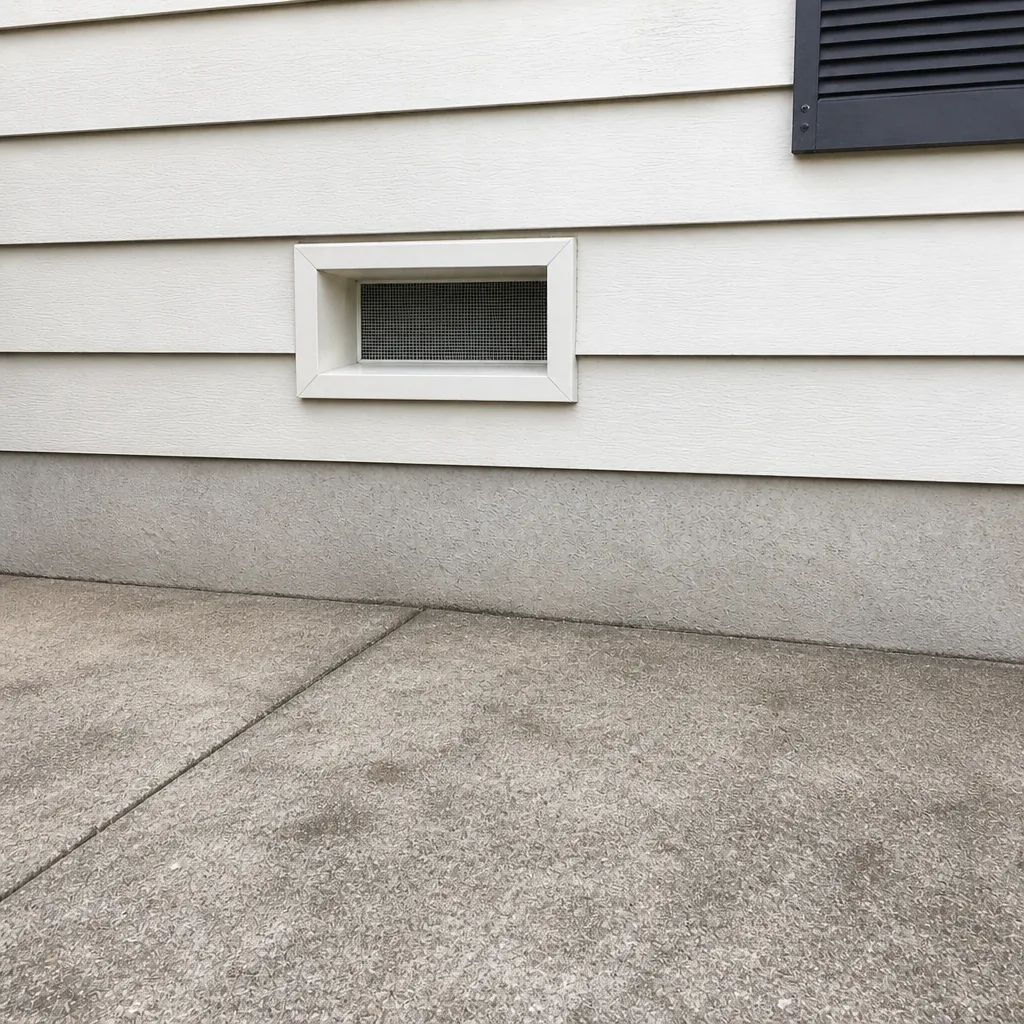
Whole-system duct and dryer vent check with before-and-after photos - you see exactly what came out of your vents
That "$99 whole-house special" is a bait ad - the real number appears once they are in your hallway, or the "clean" is a shop-vac at the register. We photograph the inside of your ducts before and after instead.
Air Duct Cleaning Warning Signs: An Irving Park Homeowner’s Reference Guide
Dust settling back onto your furniture two days after you wiped it down doesn’t mean your house is dirty. In most homes, it means your duct system has a pressure imbalance that’s pulling contaminated air in from somewhere it shouldn’t: an attic, a crawlspace, a garage wall cavity, or a gap between two sections of duct that’s quietly separated behind the drywall. The problem isn’t your cleaning habits. It’s the air pathway.
This guide treats warning signs as diagnostic clues, not reasons to panic. Each symptom you notice points to a specific mechanical cause, and once you understand the cause, you can decide whether it’s a minor housekeeping issue or something that’s costing you comfort and energy every month. We’ve written it for Irving Park homeowners who want to know what they’re actually seeing before they pick up the phone.
Quick Answer
The most reliable air duct cleaning warning signs in Irving Park are dust that returns within days of cleaning, a visible dust puff from supply registers when the system starts, musty odors on first heat or first cool, rooms that never match the thermostat setting, and rattling, whistling or popping sounds from the ductwork. Any two of these together usually point to a contaminated system, a leak, or a disconnected run rather than ordinary household dust.
Styles & brands we work with
- Whole-home duct cleaning
- Dryer vent cleaning
- Camera inspection
- Sanitizing & deodorizing
Table of Contents
- The White Sheet Test: Normal Dust vs. Active Duct Leakage
- What Musty Odors During First Heat or First Cool Actually Mean
- Uneven Room Temperatures Mapped to Their Duct-System Causes
- Why Newer HVAC Systems and Rising Allergy Symptoms Point to Coil Contamination
- The Noise Diagnostic: Rattling, Whistling and Popping Explained
- The Dryer Vent Clue Homeowners Overlook
- Rising Energy Bills as a Duct-Leakage Signal
- Common Mistakes to Avoid
- When to Call a Professional
- Frequently Asked Questions
The White Sheet Test: Normal Dust vs. Active Duct Leakage
Here’s the simplest way to separate ordinary household dust from a system that’s actively blowing debris: hold a clean white sheet of paper or a light-colored cloth directly in front of a supply register for about a minute while the heat or air conditioning is running. A faint, even buildup of fine gray dust is normal, because some dust always settles in ducts and gets carried along. What you’re watching for is heavy, visible particles, dark grit, or a puff of dust the moment the blower kicks on.
That blast on startup is the signature of contaminated ductwork. It happens because dust and debris have built up on the interior surfaces of the ducts and then off the fan’s airflow. Every time the blower cycles, it lifts a fresh deposit and pushes it into the room. If you see it at one register only, the evidence is stronger for a localized leak near that run. If you see it at most supply registers in the house, the contamination is distributed across the system.
How to read the result
- Light, even dust on the sheet: normal accumulation. Vacuum and filter changes are usually enough.
- Dark grit or visible particles: debris is collecting in the ducts and moving with the air.
- A visible puff when the blower starts: the ducts themselves are contaminated, and cleaning is worth a real conversation.
- Dust only at one or two registers: suspect a leak or a disconnected run near those rooms rather than a whole-house problem.
The reason this test matters in Irving Park is that many homes here have ductwork running through unconditioned attic space and through wall cavities that weren’t sealed tightly when the house was built. Those paths leak. When the return side pulls harder than the supply side, the house becomes a vacuum and unfiltered air gets pulled from wherever the nearest gap is. In our experience, that’s the most common reason a freshly cleaned room looks grimy again by the weekend.
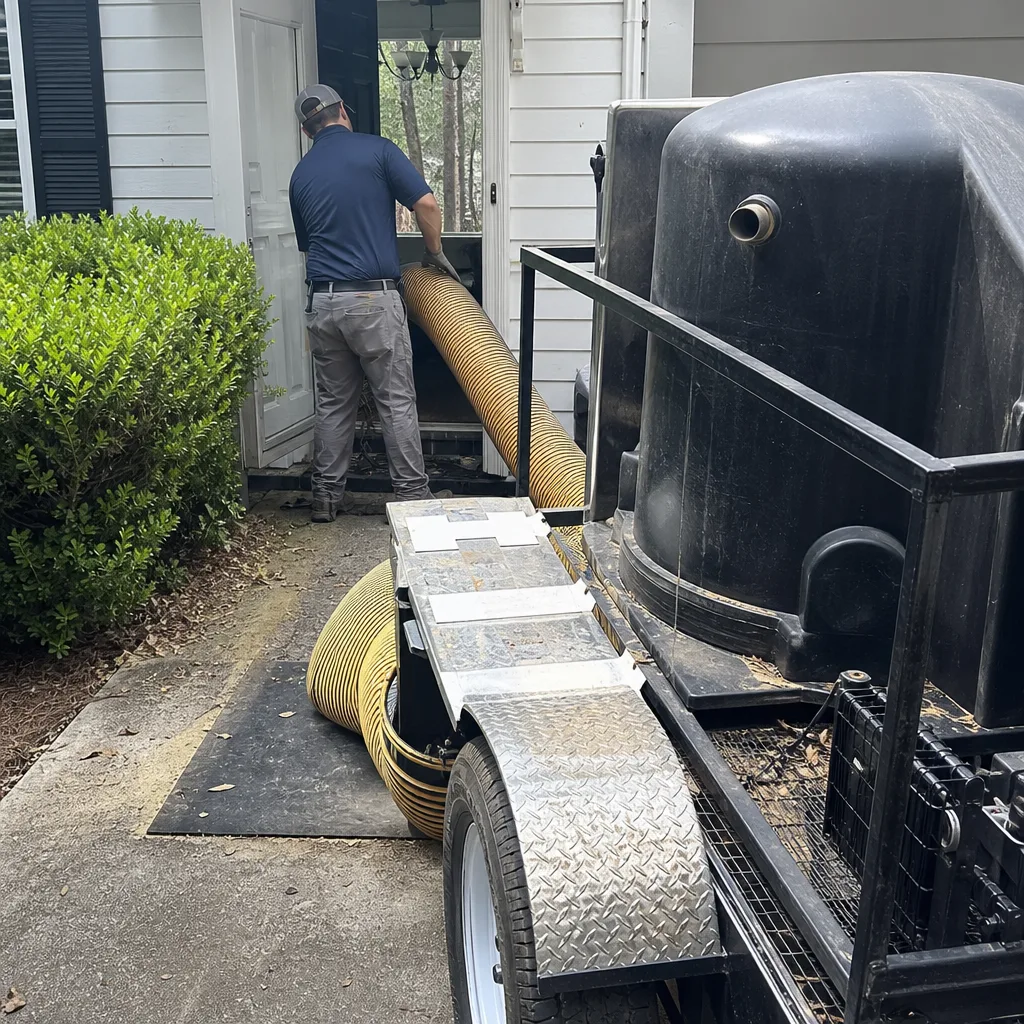
For the actual cleaning itself, the pass/fail is simple: a system like the Rotobrush is built to reach the entire interior surface of the duct, contain what it lifts, and leave it clean rather than just knocking dust loose. A consumer vacuum held up to a register does none of that.
What Musty Odors During First Heat or First Cool Actually Mean
That smell the first time you turn on the heat in autumn, or the air conditioning in summer, almost never originates at the vent where you notice it. Odors travel with the airstream, so what you’re smelling at a register is coming from somewhere upstream: the evaporator coil, the blower compartment, the drain pan, or a section of duct that has stayed damp and dark for months. The vent is the messenger, not the source.
Coil contamination is the most frequent culprit in Irving Park. During the cooling season, the coil stays wet from condensation, and dust that passes through the filter sticks to that moisture. Over a season or two, that layer becomes a place where mold and bacteria can grow. When you switch to heat, or when the system re-starts after a long off period, the blower moves air across that surface and carries the smell through the whole house.
What each odor suggests
- Musty, damp, “cellar” smell: microbial growth on the coil, drain pan, or interior duct surface.
- Smell in one room only: a leak or a disconnected run that’s drawing air from an unconditioned space.
- Smell on first heat only, gone within minutes: often dust burning off the heat exchanger or coil, but worth checking.
- Persistent odor that gets stronger as the system runs: contamination in the coil or the supply trunk.
Sanitizing products like Abatement Technologies and Guardsman are formulated for exactly this kind of work: addressing microbial contamination on system surfaces rather than masking it with fragrance. Cleaning first, then treating the surfaces, is the order that actually holds. If the smell returns within a season, the source hasn’t been found yet, and that’s a conversation to have before another cleaning.
Uneven Room Temperatures Mapped to Their Duct-System Causes
When one bedroom stays three degrees colder than the rest of the house, homeowners tend to blame the thermostat, the furnace, or the age of the system. In our experience, the more common answer is much simpler: that room isn’t getting the airflow the rest of the house gets. The duct system is delivering the air it needs, but along the wrong path.
Uneven temperatures in an Irving Park home typically trace to one of three causes, and each behaves differently enough that you can usually narrow it down yourself:
1. Blockage
Something is physically blocking the run: a flexible duct that was kinked during a renovation, a damper that was closed and never reopened, or debris that settled in the branch. The room gets weak airflow at the register, and the register feels noticeably softer than others in the house. A quick hand test at each register tells you which runs are underperforming.
2. Disconnection
A joint has separated, often at the plenum or behind a wall where the original install wasn’t taped and sealed well. The room gets very little air, or none at all, and the rest of the system seems to work harder. Disconnected runs are one of the biggest hidden efficiency losses in older homes, and they’re why duct repair and sealing is part of what we do rather than an afterthought.
3. Leakage
The run is connected but the seams along it are loose. The room gets partial airflow, and, more tellingly, the air you feel is sometimes cooler or warmer than it should be, because it’s picking up attic or cavity air along the way. That’s the pattern that pairs with the white sheet test finding above.
Walking each room’s register with your hand while the system runs is a genuine diagnostic, not a guess. The register that’s softly pushing air is the cue to look at blockage; the one that’s obviously dead or breathing uncooled air points to a disconnect or a leak. Sealing what we clean is how we make the fix durable.
Why Newer HVAC Systems and Rising Allergy Symptoms Point to Coil Contamination
A newer HVAC system should mean cleaner air, not more allergy symptoms. When it’s the other way around, homeowners often assume the ducts are the problem. But a newer system actually creates a specific condition: a modern, tight evaporator coil with a fresh layer of condensation and a filter that may or may not be doing its job. In many newer installs, the coil is the contamination source, and the ducts are just the delivery mechanism.
Here’s the logic. Newer high-efficiency systems often have denser coil fins and a wetter cooling cycle, which means more surface area for dust to stick to. If the filter isn’t matched to the system, or if the return ductwork is undersized for the blower, dust bypasses the filter and lands on the coil. Once it’s there, the cool wet surface grows microbial contamination quickly. The system runs fine, the thermostat reads correct, but your eyes and sinuses notice every cycle.
Signs your coil may be the source
- Allergy symptoms that worsen when the HVAC is running and improve when it’s off.
- A musty smell that returns within a season, even after a duct cleaning.
- Visible dust or discoloration around the indoor coil cabinet, or on the drain pan.
- Filters that load up unusually fast, or a filter that doesn’t seem to fit snugly.
- Condensation or moisture at the air handler, especially in Irving Park’s humid summers.
Duct cleaning alone won’t solve a contaminated coil. Full hvac cleaning covers the coil, blower, drain pan, and cabinet, which is why we treat it as part of the same job. Filtration systems from Honeywell and Aprilaire come into play here too, because matching the filter to the system is how you keep dust off the coil in the first place. The best duct cleaning in the world is short-lived if the coil keeps seeding the system with debris.
The Noise Diagnostic: Rattling, Whistling and Popping Explained
Duct noise is diagnostic information, not just an annoyance. Each type of sound tells you something specific about what’s physically happening inside the duct structure. Once you know the difference, you’ll know which noises clear up on their own and which ones point to a problem worth fixing.
Rattling
Rattling is metal-on-metal vibration. Something in the duct run has loosened and is being vibrated by airflow: a coupling that wasn’t taped tightly, a duct hanger that’s come loose, or a section of interior liner that’s coming apart. In Irving Park homes with older sheet metal ducts, this is common at the plenum and at the first elbow of a run. It’s usually a repair, not a cleaning problem, and it’s part of what duct repair and sealing addresses.
Whistling
Whistling is a sign of airflow moving through too small an opening at too high a velocity. That means a run is undersized, a damper is closed, or a register is restricted. Whistling shouldn’t be dismissed, because it means the system is working harder than it should, and the room isn’t getting the air it needs. This is often the same room that felt cool in the uneven-temperatures section above.
Popping or banging at startup
The “pop” you hear when the system starts is usually a duct section that’s flexing under pressure change, often because it isn’t properly secured or because the system has a pressure imbalance. On its own a pop isn’t dangerous, but paired with dust returning to the furniture, it’s one more signal of a system that isn’t sealed. Popping is one of the reasons we seal what we clean: a connection that’s properly secured stops the pop.
What you’re really hearing, in each case, is the sound of the system doing something it wasn’t designed to do. That’s diagnostic, and it’s fixable.
The Dryer Vent Clue Homeowners Overlook
A dryer that takes two cycles to dry a load, or clothes that come out hotter and damper than they should, is often read as a mechanical problem with the appliance. Frequently it’s a duct problem, on the other side of the dryer. The exhaust path is partially blocked, and the moisture and heat can’t escape the way they should. On the safety side, the lint that accumulates in that path is combustible, which is why dryer vent cleaning belongs in the same conversation as air quality and duct cleaning.
What to look for
- Loads that take longer than a normal cycle to dry, especially on the same setting that used to work.
- Clothes that are unusually hot to the touch when the cycle finishes.
- A dryer that shuts off early, or a thermal cut-off that keeps tripping.
- Lint visible behind or under the dryer, or lint collecting at the exterior vent flap.
- A flap on the outside wall that doesn’t open with a clear flow of air.
The reason to look at this alongside the air ducts is that both are about the entire pathway, not just the visible end. The dryer vent, the supply ducts, and the return ducts are all moving air through a structure, and all of them degrade in the same way: accumulation where the air slows, and leakage where the path is compromised. In Irving Park, homes with long dryer runs to an exterior wall are especially worth inspecting, because those long runs collect lint faster than short ones.
Rising Energy Bills as a Duct-Leakage Signal
An air conditioning bill that climbs gradually without a rate change is often read as the system aging, which is possible, but duct leakage is a slow and equally common explanation. The furnace or air handler is delivering air, but a meaningful share of it is going to the attic, the crawlspace, or a wall cavity instead of into the rooms where you need it. The system runs longer to hit the thermostat setting, and you pay for air that never arrives.
What makes this tricky in Irving Park is that the leakage is invisible. There’s no drippy pipe or flashing light. The one reliable way to catch it is to connect the energy bill to your comfort observations: if the bill is climbing and rooms are uneven or dusty at the same time, the diagnosis is worth running. That’s a familiar pattern in this part of the state because so many homes here have duct runs that cross unconditioned space, and original duct sealing was often minimal.
Reading the pattern
- Bill up, comfort unchanged: system efficiency or equipment age. Consider a service call.
- Bill up, rooms uneven: blockage, discontinuity, or leakage on the underperforming runs.
- Bill up, dust returning fast: contamination plus leakage, which is a duct cleaning and duct sealing job together.
- Bill up after a renovation: ductwork disturbed during the work, with kinked or disconnected runs.
Repair and sealing are how the bill issue and the comfort issue get solved in one job rather than two. Cleaning alone removes the debris; sealing fixes the pathway that let it in.
See the difference
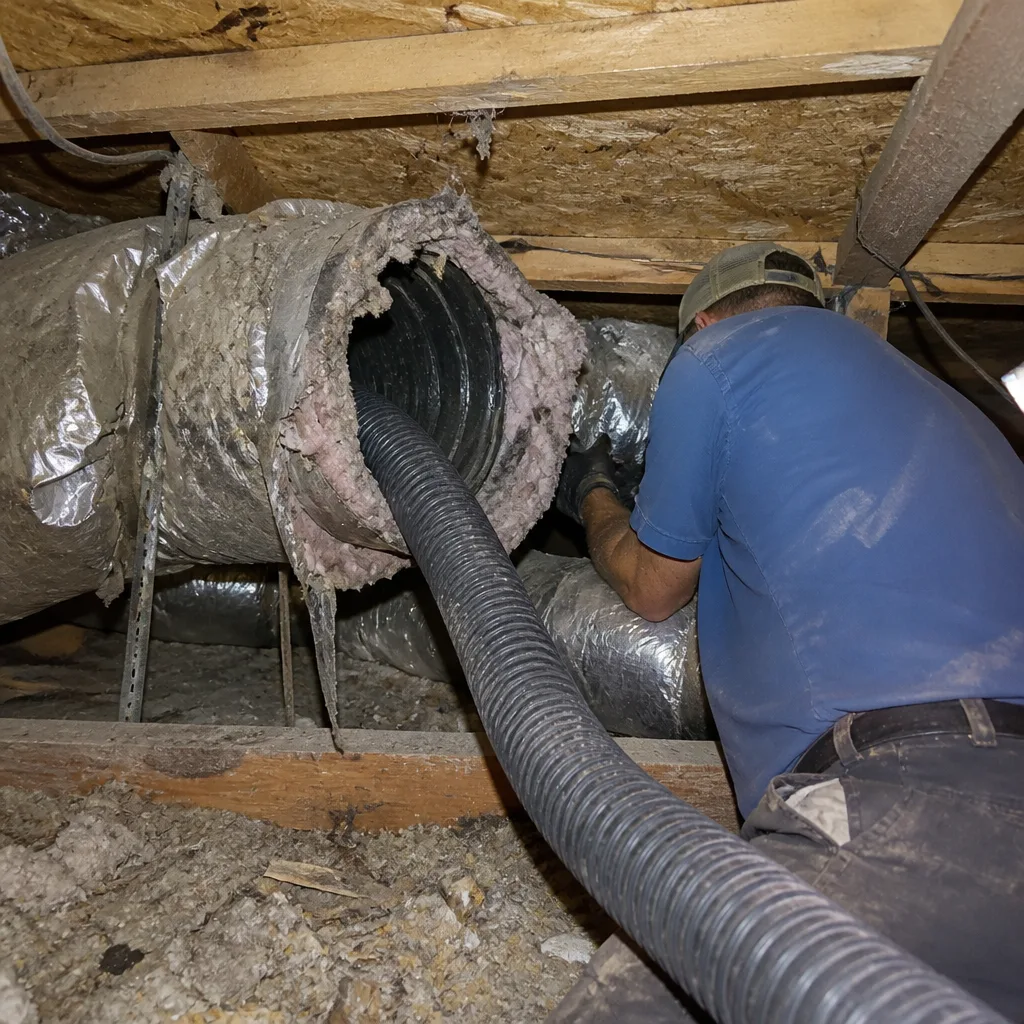 Before
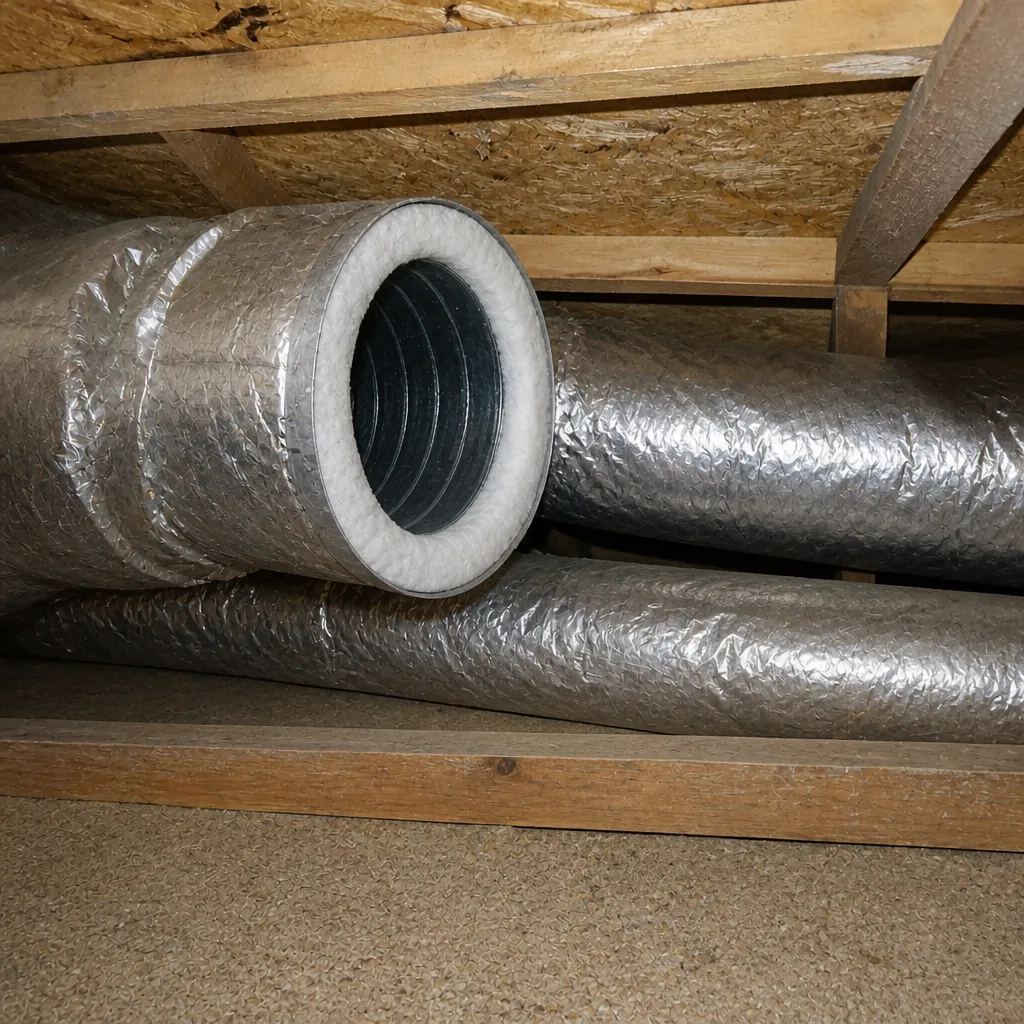 After
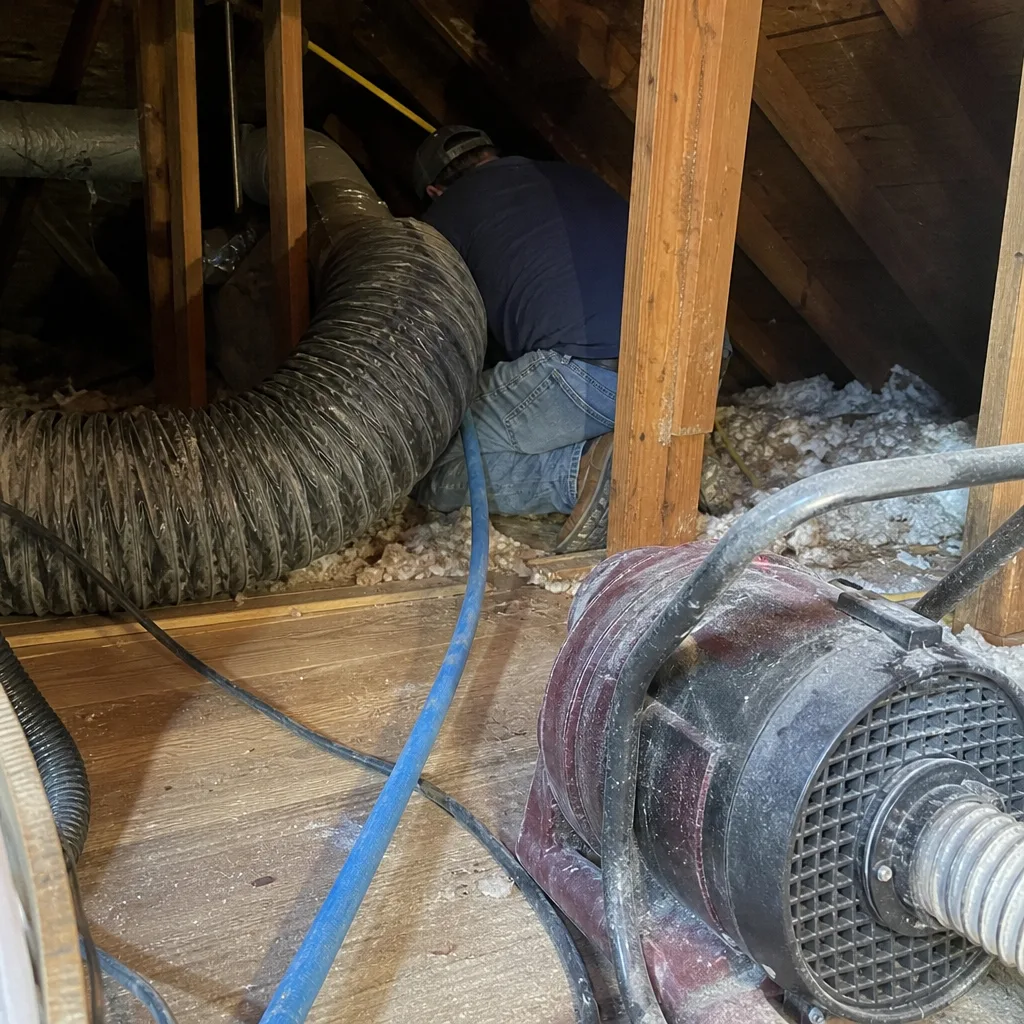 Before
 After
 Before
 After
Common Mistakes to Avoid
- Judging by a coupon price without asking what’s included. A low headline price often covers a partial job: only the supply side, or only the registers, not the return side or the coil. Ask for the scope in writing before you compare quotes.
- Assuming a whole-house cleaning includes the duct repair. Cleaning and sealing are separate capabilities. A contractor who only cleans won’t fix the disconnected run that caused the problem.
- Paying for the coil to be skipped. In a newer system with rising allergy symptoms, the coil is often the source, not the ducts. Duct cleaning that leaves the coil untouched usually means the symptoms return.
- Trusting a “shop-vac and a ladder” operation as professional cleaning. Consumer-grade vacuums don’t contain what they lift or reach the full interior surface. Rotobrush and Nikro systems are built for the job, and the equipment indicates the scope.
- Ignoring the dryer vent because it’s “just the dryer.” The dryer vent is the fire-safety side of the same air-pathway work, and it’s often the first sign the whole system needs attention.
- Relying on anecdotal reviews instead of asking what equipment and products are used. The products tell you what kind of work you’re getting. Abatement Technologies and Guardsman are used for sanitizing in remediation-grade work, not cosmetic fragrance.
- Waiting for the filter light to reset instead of checking the actual ductwork. Filters are only one part of the air pathway. A dirty filter is evidence; a dusty register is evidence; check both.
When to Call a Professional
If you’ve spotted two or more of the signs above, it’s time for an assessment rather than more cleaning spray and furniture polish. The scenarios that most warrant a call: dust returning within days at multiple registers, a musty smell on first heat or first cool that doesn’t clear, rooms that stay uneven despite a working thermostat, a dryer taking longer than usual, or a noise pattern that’s new and doesn’t go away. If the system was recently cleaned and the signs are back, that’s a sign the source wasn’t addressed the first time. Air Duct Cleaning Irving Park offers free estimates in Irving Park and can look at the ducts, coil, and dryer vent in one visit. Call air duct cleaning in Irving Park at (855) 606-6578. We answer 24/7. Fast dispatch from 7am to 7pm, Sunday through Friday.
Frequently Asked Questions
Air duct cleaning in Irving Park typically falls in the range of a few hundred dollars for a standard whole-house job, with the final price set by the written estimate after we see the system. The estimate is free, and the price is per job, not per vent. Call (855) 606-6578 for an exact quote. We answer 24/7. Fast dispatch from 7am to 7pm, Sunday through Friday.
Cheap quotes usually cover less of the system: supply registers only, or a single pass with a consumer-grade vacuum, or no coil and return-side work. The scope is what varies, not just the price. Ask for the scope in writing and compare it line by line. Call (855) 606-6578 to talk through what a full-pathway job includes.
Ask for before-and-after photos of your own ducts, which we take as a standard part of the job. You can also re-run the white sheet test at the supply registers after the cleaning and compare it to the day before. A system that’s actually clean shows a light, even dust film rather than grit or a puff on startup. Call (855) 606-6578 for an exact quote on a documented cleaning.
Most Irving Park homes do well with duct cleaning every few years, but the interval depends on the system, the pets, and the filters, not a fixed calendar. Homes that have had a renovation, a new HVAC install, or a visible dust problem usually need it sooner. Call (855) 606-6578 to ask what interval fits your system.
In most cases, yes, and that’s the reason we do both rather than just cleaning. Duct repair and sealing is what keeps the cleaned system from pulling contaminated air back in through the same gaps. It’s the “we seal what we clean” part of the job. Call (855) 606-6578, and we’ll confirm the scope for your system.
A smell that returns within a season points to a source the first cleaning didn’t reach, most often the evaporator coil or a damp section of duct. That’s a sign the job needs a full HVAC cleaning and sanitizing, not just a duct pass. We use Abatement Technologies and Guardsman products for the surface treatment. Call (855) 606-6578 to schedule an assessment.
The Bottom Line
Warning signs are diagnostic clues, not red flags. Dust that returns fast, a smell on first heat, uneven rooms, a noise pattern, and a climbing bill all point to specific mechanical causes inside the air pathway. Read them together. One sign can be ordinary household life; two or more is a system telling you something. The work that fixes them is full-pathway work: cleaning the ducts, cleaning the coil, sealing what was cleaned, and treating the surfaces with products built for the job. That’s a single engagement, not a chain of separate contractors. If you’re seeing any of these signs in your Irving Park home, get an assessment rather than a guess. Air Duct Cleaning Irving Park offers free estimates and full-scope work. Call (855) 606-6578. We answer 24/7. Fast dispatch from 7am to 7pm, Sunday through Friday. You can also read more about air duct cleaning to see exactly what a full-pathway job covers.
Written by the team at Air Duct Cleaning Irving Park.