
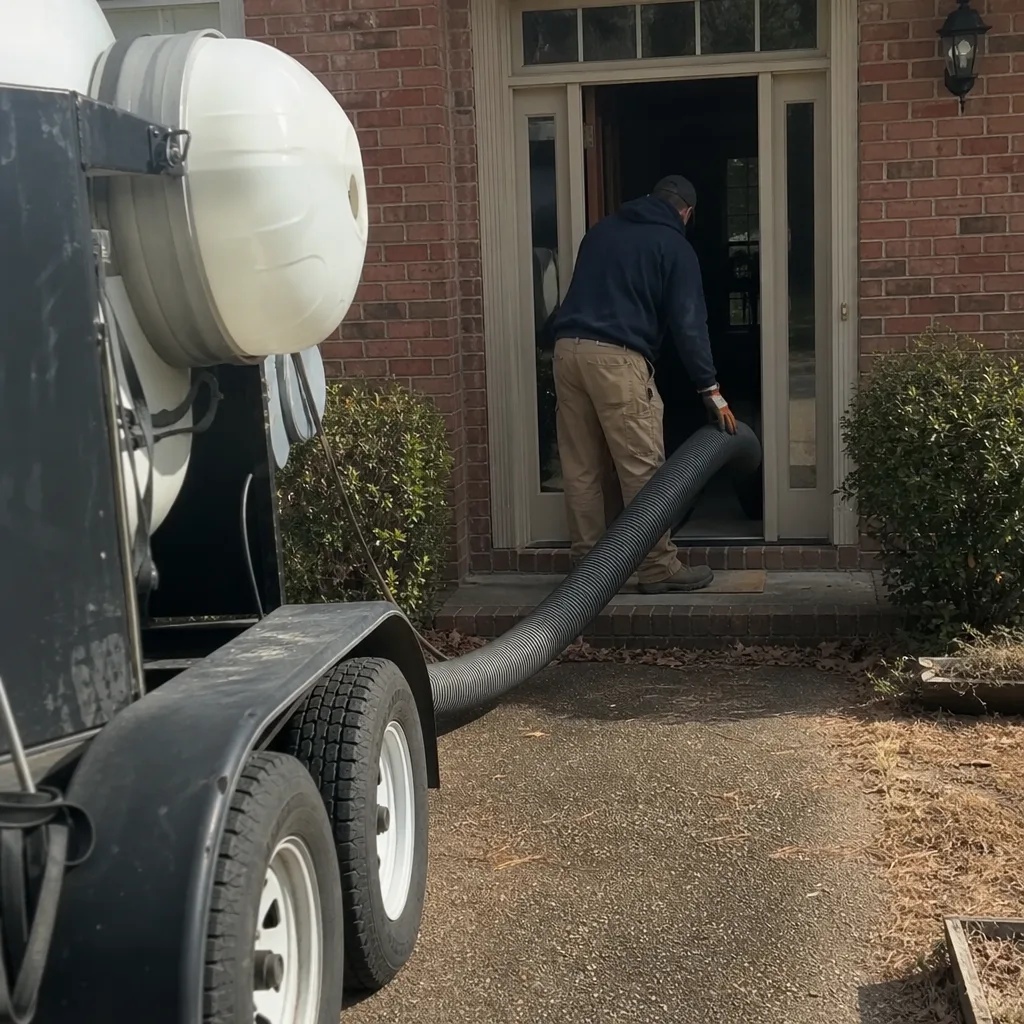
Last updated November 24, 2026
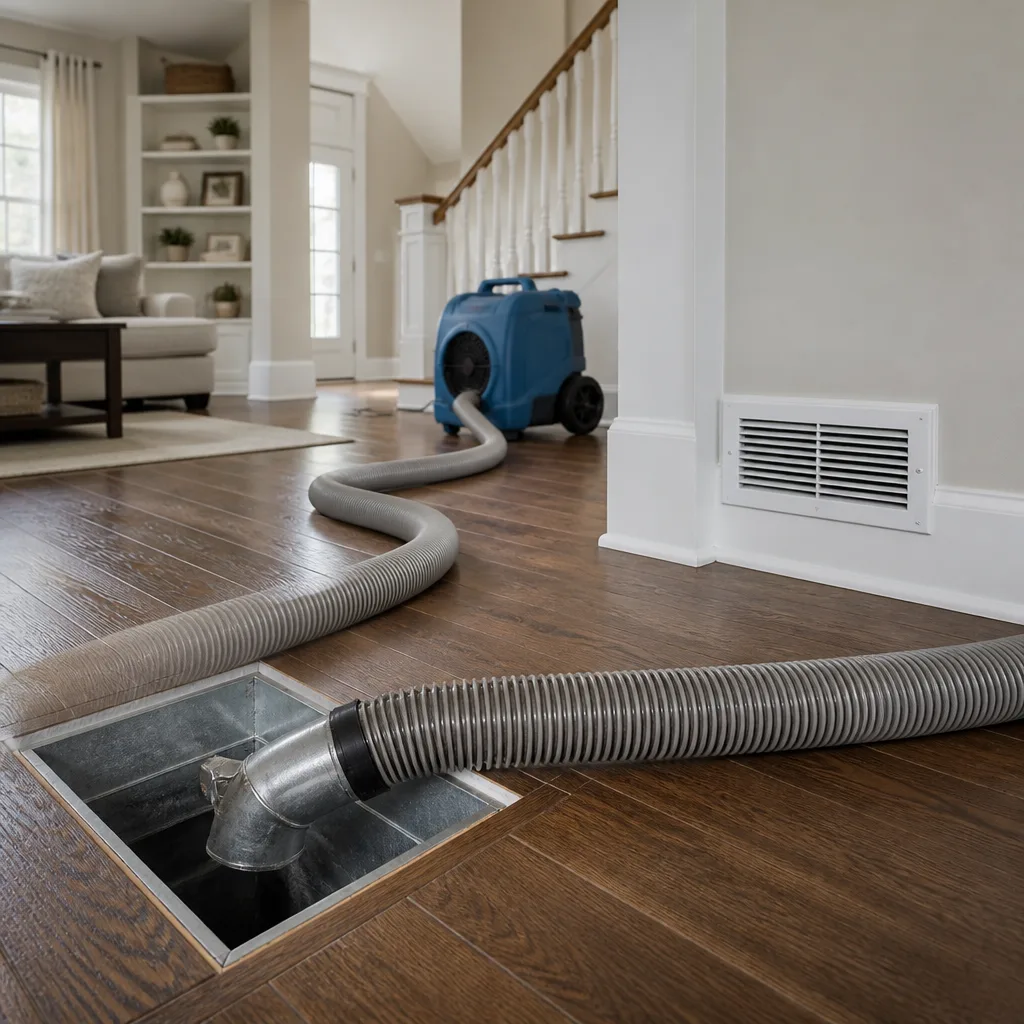 Whole-home duct cleaning
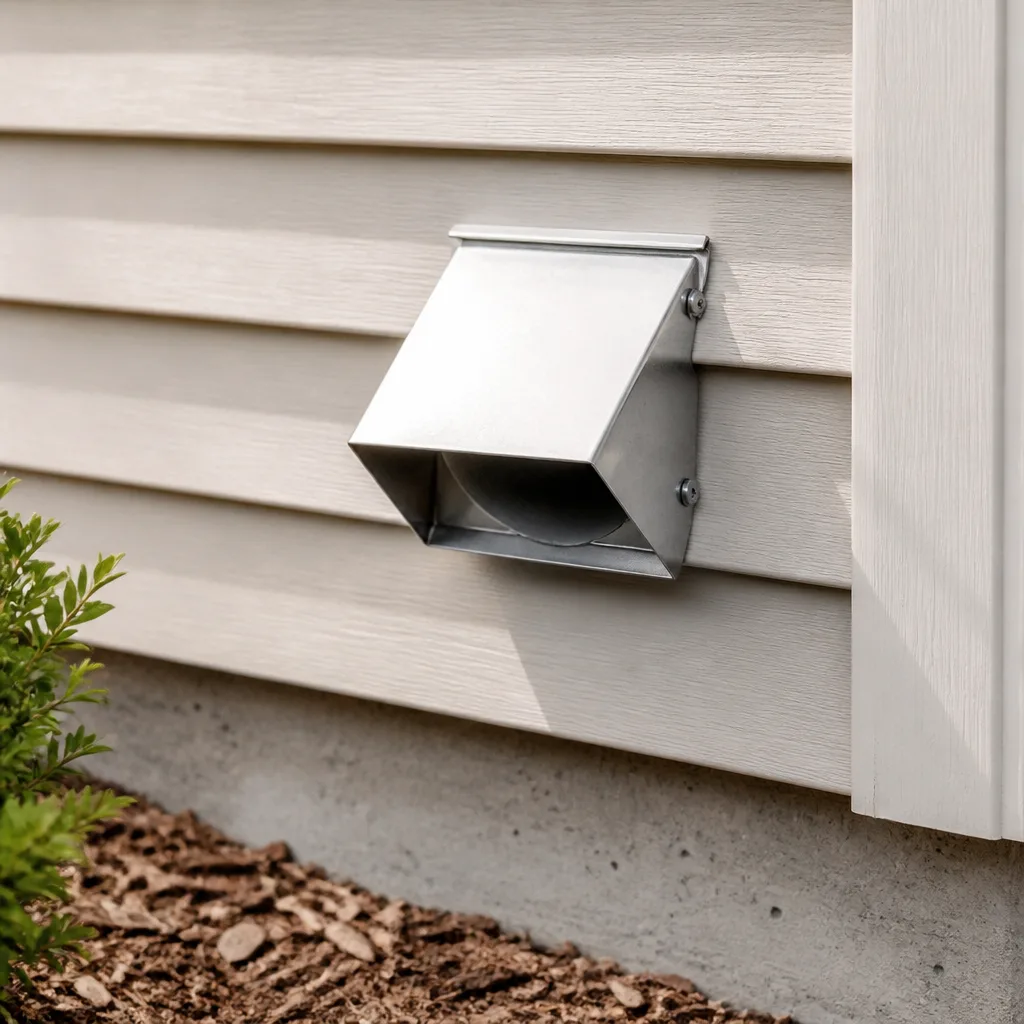 Dryer vent cleaning
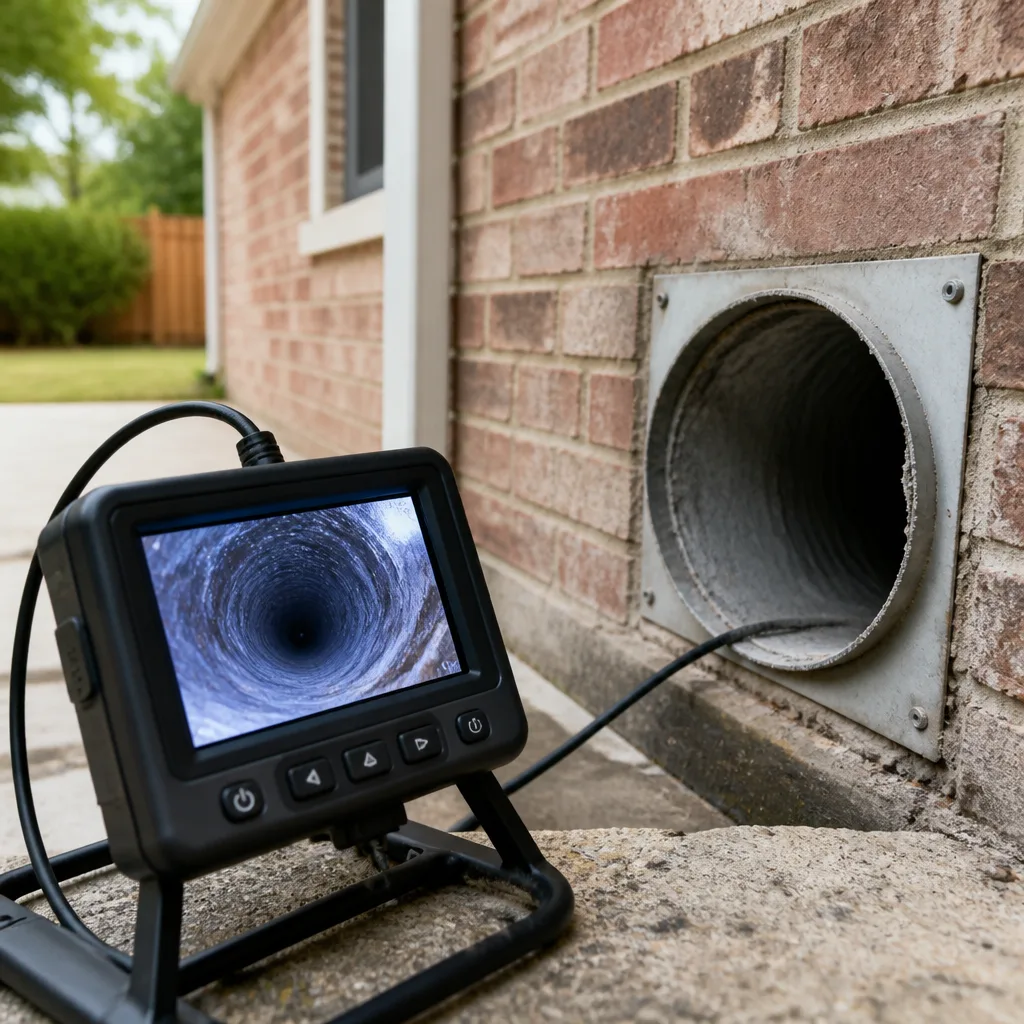 Camera inspection
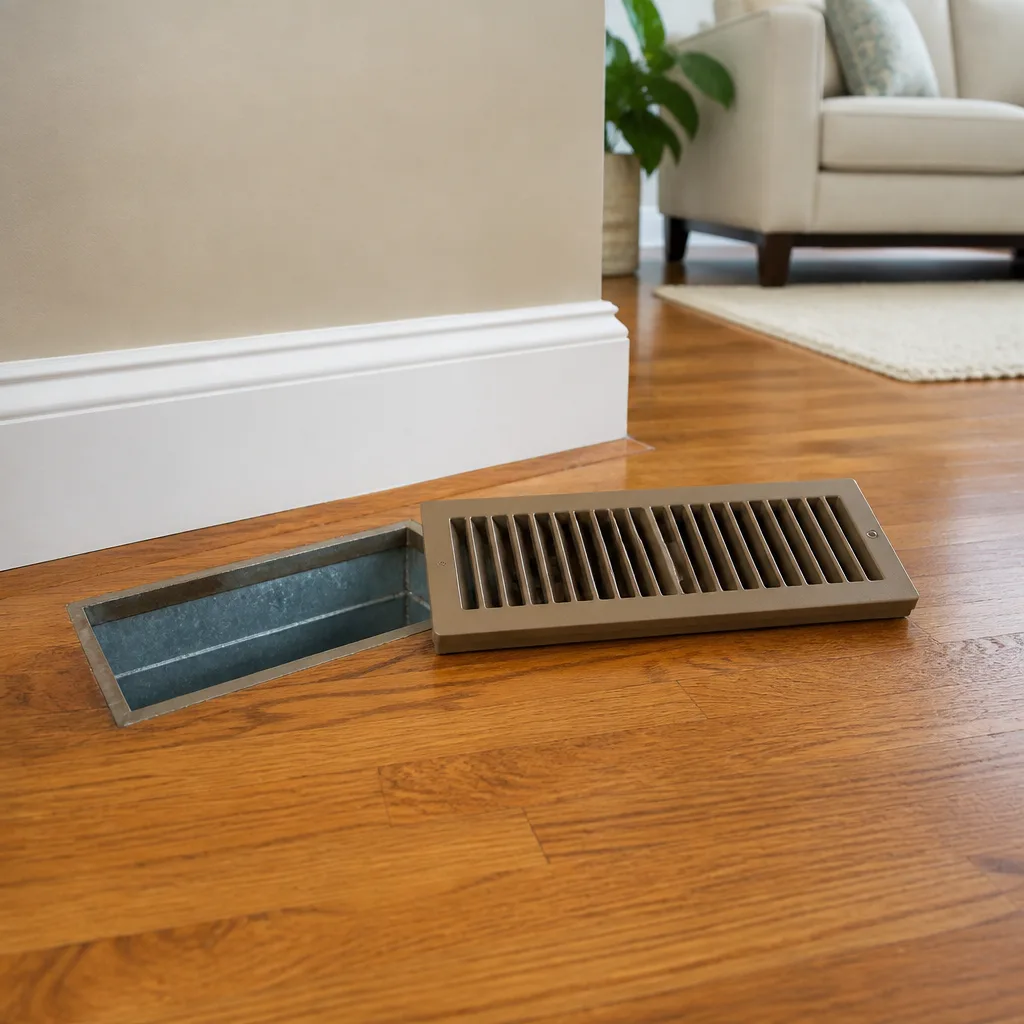 Sanitizing & deodorizing
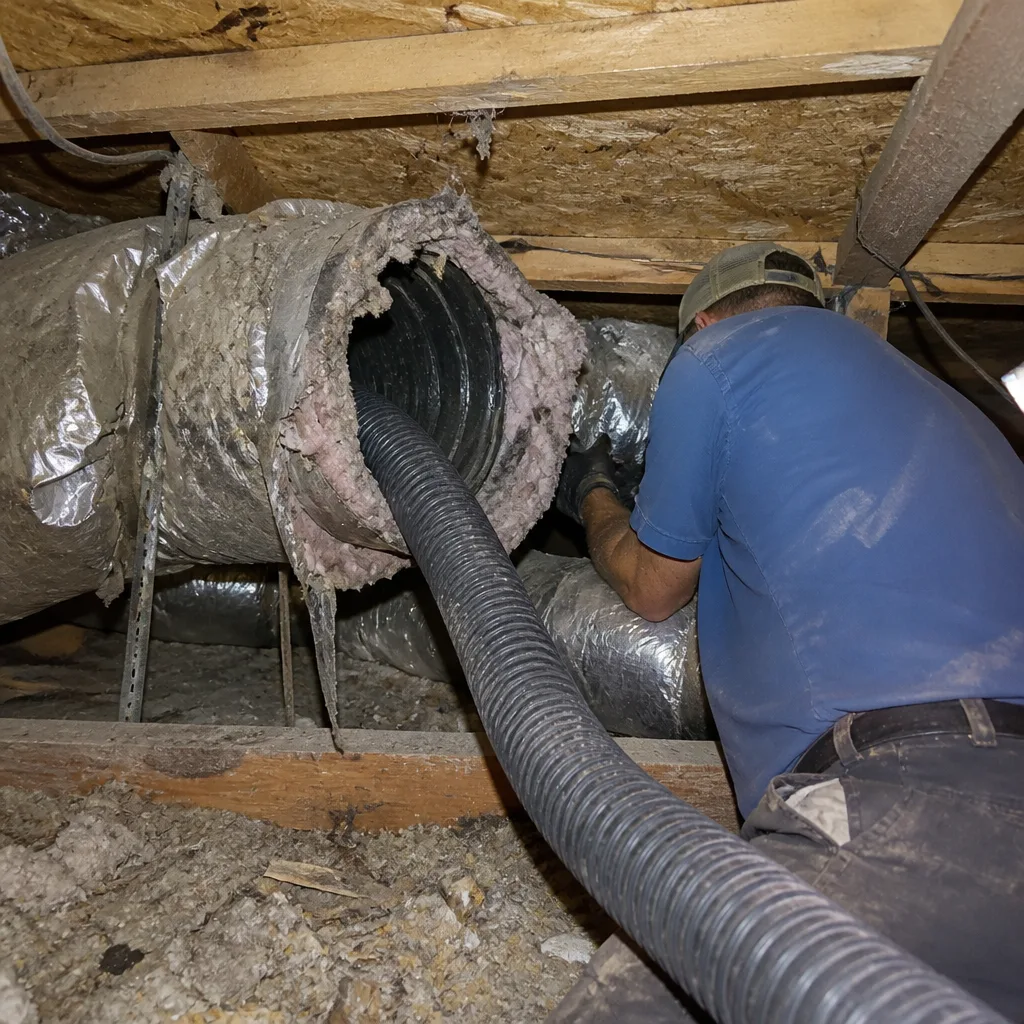
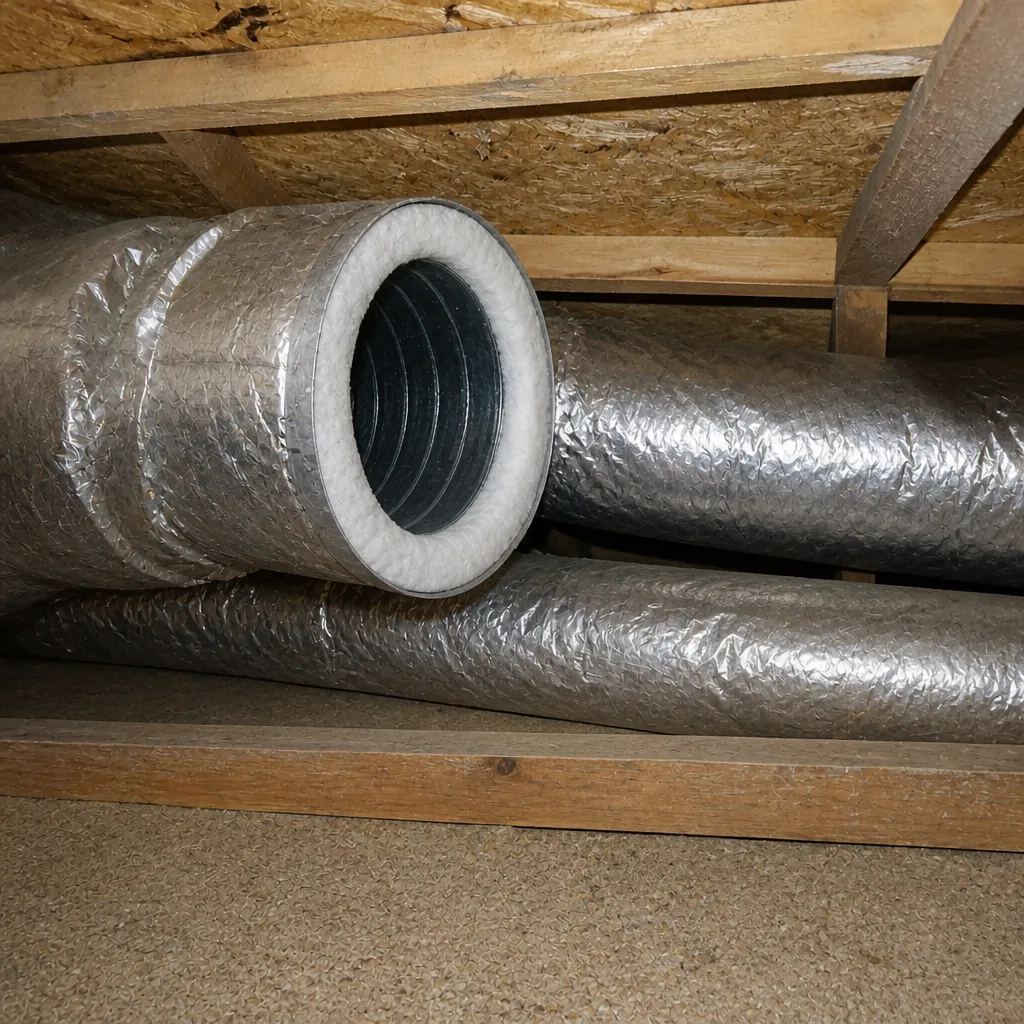
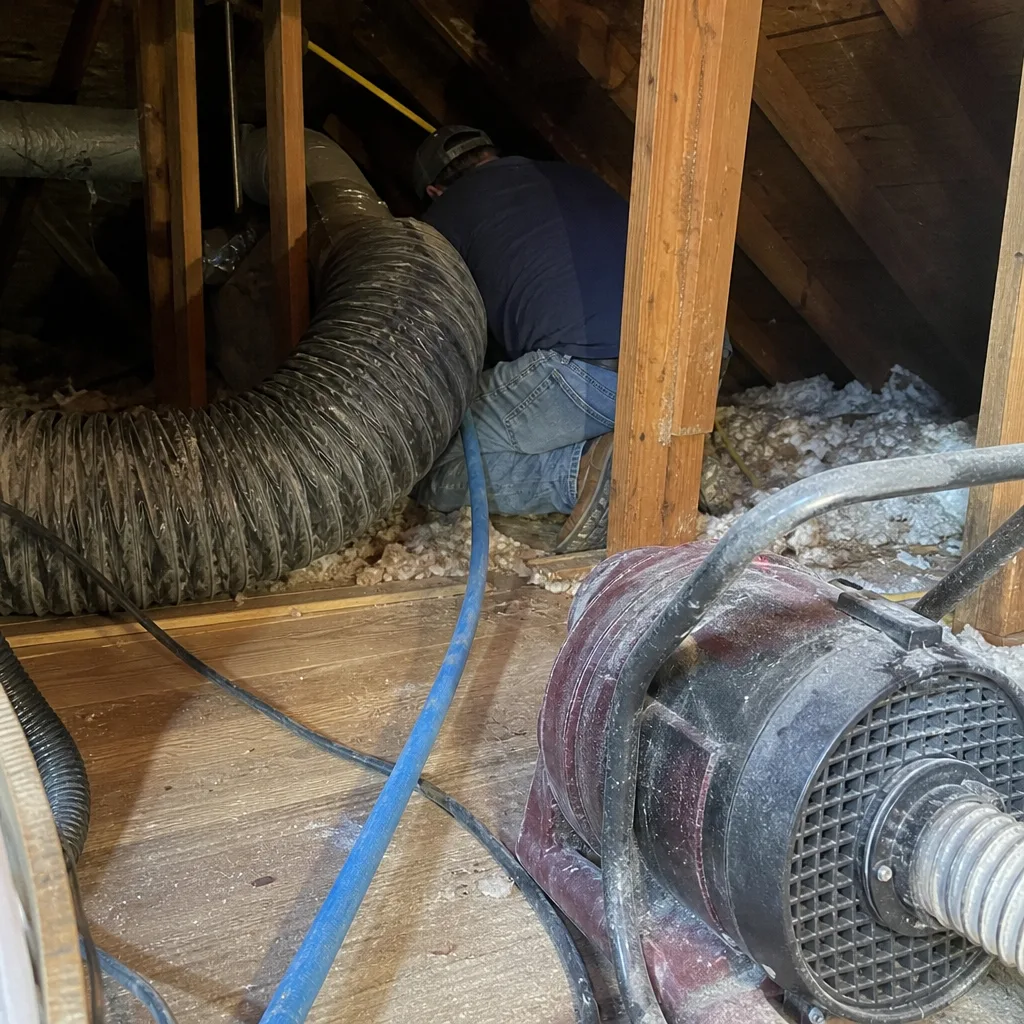
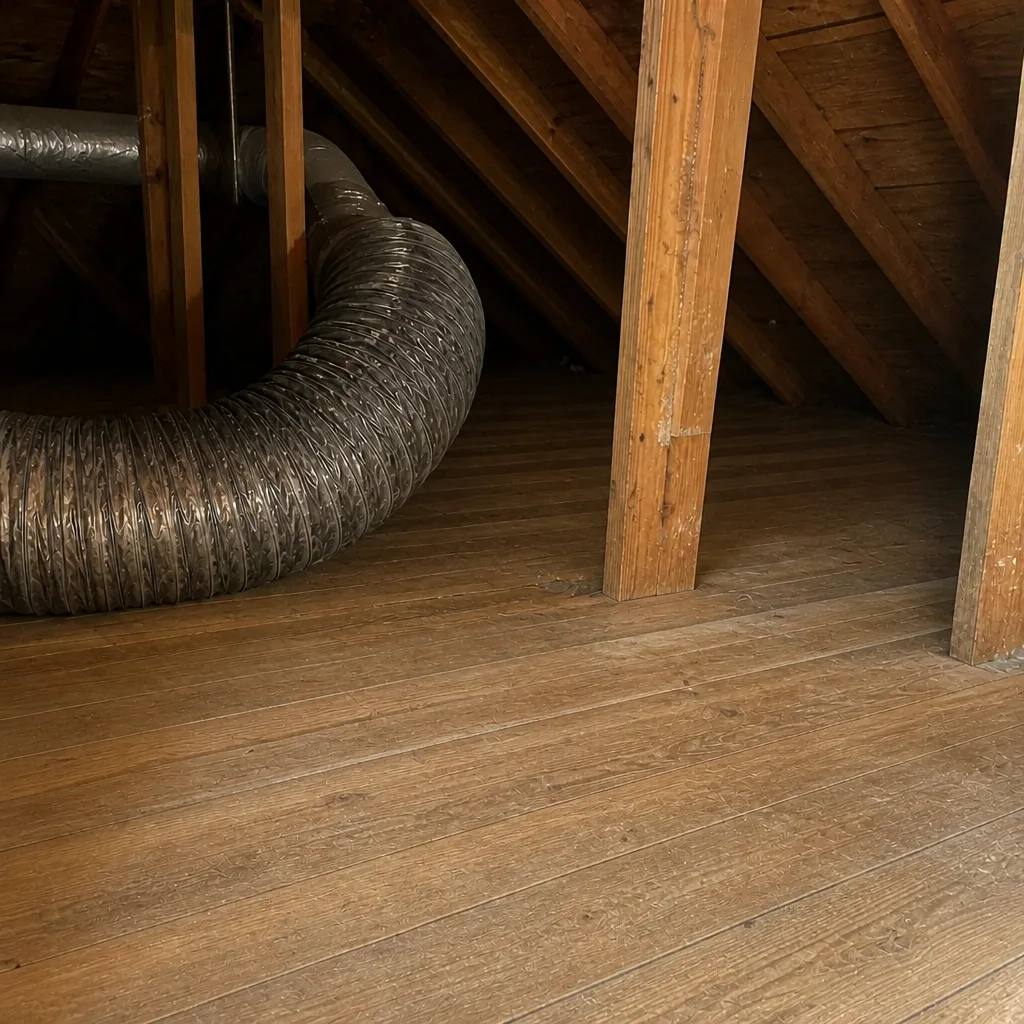
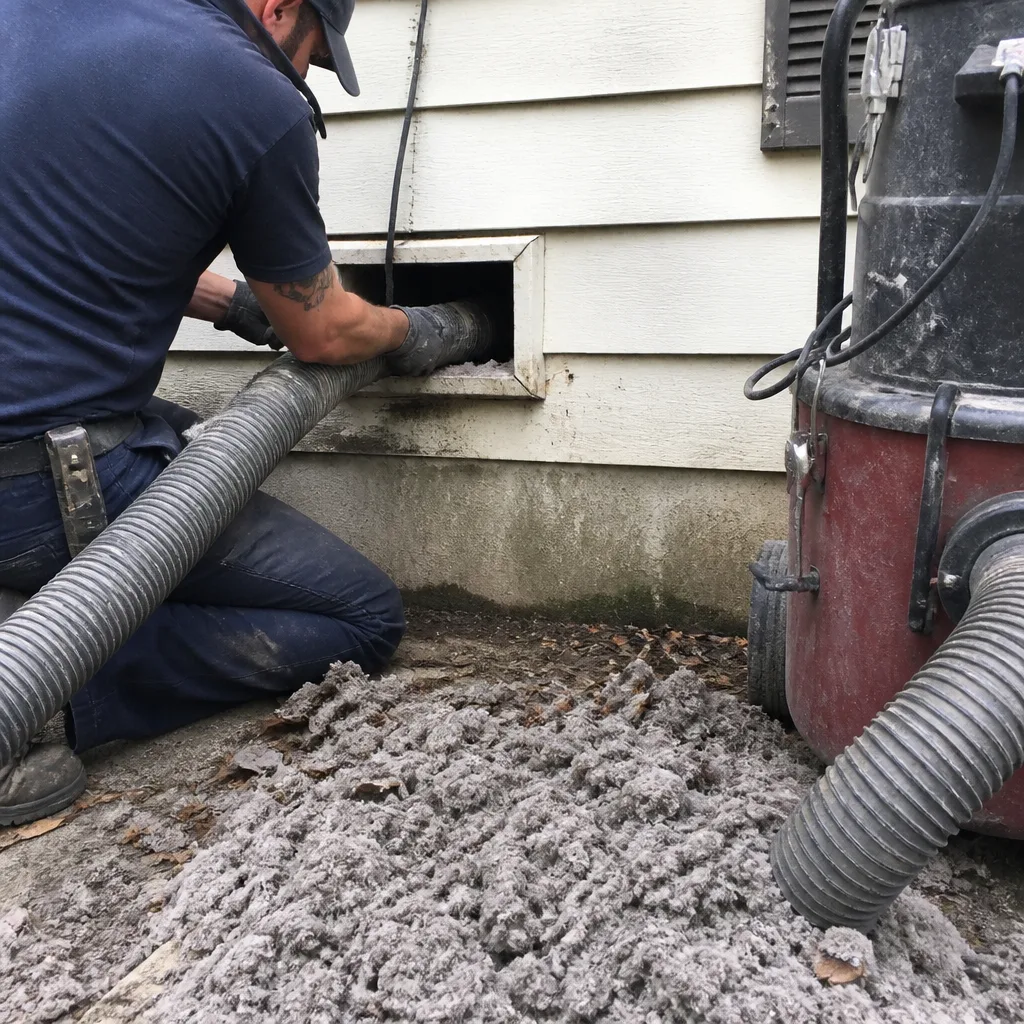
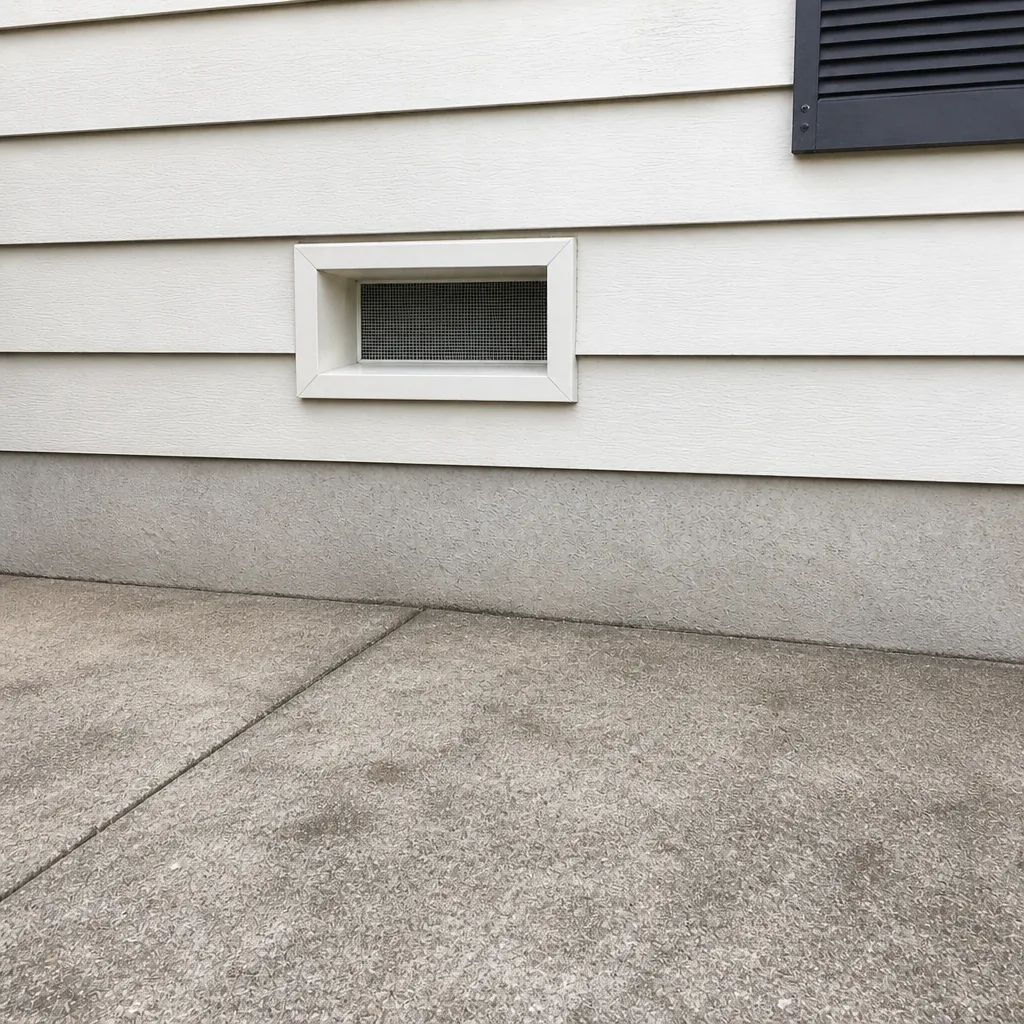
Whole-system duct and dryer vent check with before-and-after photos - you see exactly what came out of your vents
That "$99 whole-house special" is a bait ad - the real number appears once they are in your hallway, or the "clean" is a shop-vac at the register. We photograph the inside of your ducts before and after instead.
Air Duct Cleaning Permits, Codes & Inspections in Irving Park, NC: What You Need to Know
Here’s the part of the conversation almost no one has before booking duct work: cleaning and repairing are two different categories under North Carolina code. Cleaning a duct system is maintenance. Reconnecting a fallen trunk line, cutting in a new access panel, or sealing joints with a mastic or aerosol system is mechanical work, and mechanical work has rules attached to it. If a contractor makes that jump during what you thought was a routine cleaning, you can end up with an undocumented alteration sitting inside your walls. This guide walks through where the line falls in Irving Park, what inspectors actually look at, and how to get paperwork that holds up years later.
Quick Answer
Routine air duct cleaning does not require a permit in North Carolina, but duct repair, reconnection, modification, or installation of new access panels is mechanical work governed by the NC State Building Code and typically requires a permit through the local inspections department. Contractors applying aerosol sealants or EPA-registered sanitizing agents inside ducts must use products registered for that use and follow label directions. Always ask for written documentation of what was cleaned versus what was altered.
Styles & brands we work with
- Whole-home duct cleaning
- Dryer vent cleaning
- Camera inspection
- Sanitizing & deodorizing
Table of Contents
- Cleaning vs. Mechanical Repair: Where the Line Falls
- What NC Mechanical Code Section 300 Covers
- When Duct Sealants Cross Into Regulated Work
- What Inspectors Look For During a Real Estate Transaction
- How to Get Documentation That Protects You
- Sanitizing Agents and EPA FIFRA Compliance
- How to Vet a Duct Contractor in Irving Park
- Common Mistakes to Avoid
Cleaning vs. Mechanical Repair: Where the Line Falls
The cleanest way to think about it: if the duct system leaves the appointment in the same configuration it arrived in, it was cleaning. If the physical shape, routing, or sealing of the system changed, it was repair. Cleaning removes accumulated dust, debris, and biological growth from inside an existing assembly. Repair changes the assembly itself.
In Irving Park, where a lot of the housing stock includes older homes with original galvanized ductwork and later retrofit flex runs, that distinction matters more than it does in newer construction. Older systems are more likely to have disconnected joints, crushed flex sections, or poorly sealed plenums, which means a cleaning visit can quickly reveal repair needs. The technician is right to flag them. The question is whether the work is documented correctly.
Here’s the practical split:
- Cleaning (no permit): Source removal of debris with negative-pressure equipment, brushing of duct interiors, coil and blower cleaning, register and grille cleaning, dryer vent cleaning.
- Repair or alteration (permit typically required): Reconnecting a disconnected trunk or branch, replacing flex runs, cutting in a new access panel, changing duct sizing, re-routing a run, sealing with approved mastics or aerosol systems in a way that modifies the assembly.
- Gray area (document it either way): Re-securing a sagging duct with new strapping, replacing a damaged register boot, tightening joints that had separated.
The gray area is where most disputes happen. A homeowner who gets a written scope of work listing every physical change, with photographs, is in a much better position than one who gets a receipt that says “duct cleaning performed.”
What NC Mechanical Code Section 300 Covers
Section 300 of the North Carolina Mechanical Code addresses duct systems: their construction, materials, installation, and the requirements for how they connect and seal. It’s the section that governs how ductwork is supposed to be built and how it must be altered. When a contractor performs work that changes the duct system’s construction or installation, that work is supposed to comply with Section 300, and in most jurisdictions that means a mechanical permit pulled through the local inspections department before work begins.
What that means in plain language for an Irving Park homeowner:
- Ask first. Before any repair begins, ask whether the work requires a permit. A reputable contractor knows the answer and will tell you.
- Permit belongs to the property. Permits are pulled for a specific address. If a contractor offers to “handle it” without a permit but then does structural ductwork, the permit record won’t exist at the county level.
- Inspections are the confirmation step. Where a permit is issued, a local inspector verifies the work was done to code. Without a permit, no inspection.
- Permit requirements can vary. Charlotte and the surrounding jurisdictions administer permits locally, so a mechanical permit requirement that applies in one municipality can be applied slightly differently in another. Call the local inspections department with the specific scope if there’s doubt.
- Exceptions exist. Minor repair work that restores a system to its original condition sometimes falls under an exception in the mechanical code. That exception is narrow and is interpreted by the local authority having jurisdiction, not by the contractor.
We always advise asking the inspections department to state the answer in writing when the scope is ambiguous. It costs nothing and settles future arguments.
When Duct Sealants Cross Into Regulated Work
Aerosol-based duct sealing, where a contractor injects a fog of sealant particles into a pressurized duct system so they collect at leaks, is one of the trickier areas. On one side of the line it’s a maintenance process that reduces leakage. On the other side, when it modifies the system’s performance characteristics or is used to seal ducts that were never properly constructed, it can be regulated work.
The rule of thumb we work by:
- If the sealant is used as part of a cleaning and efficiency tune-up on a system that is already code-compliant, it’s generally maintenance.
- If the sealant is used to compensate for improperly constructed or disconnected ductwork, that’s addressing a mechanical defect and should be documented (and often permitted).
- If the sealant is applied to a system with active water intrusion, mold growth, or pest contamination, the underlying cause needs to be fixed first. Sealing over a problem is not repair.
- If the sealant is applied without verifying that the product is listed for HVAC duct use, walk away.
In our experience in Irving Park, the biggest issue isn’t sneaky contractors; it’s well-meaning technicians sealing systems that had bigger structural problems underneath. A proper scope of work states what’s being sealed, why, and what conditions exist underneath the sealant. Duct repair and sealing belongs in the plan, not in the surprise line item.
What Inspectors Look For During a Real Estate Transaction
If a home inspection or a buyer’s HVAC inspection flags the ductwork in an Irving Park property, the inspector is typically checking a handful of specific things. Knowing what they are tells you what documentation you’ll need to defend the work later.
- Duct material and condition. Is the ductwork intact, supported, and free of crushed or disconnected sections? Torn or separated flex duct is the single most common finding.
- Access panels. Are there code-compliant access points, and were they properly framed and sealed? A panel cut in without framing or sealing is a red flag.
- Sealing at joints and plenums. Are connections sealed with approved mastic, tape, or sealant? Duct tape alone does not satisfy the code’s sealing requirements.
- Support and clearance. Is the duct properly supported at required intervals and clear of combustible materials?
- Visible biological growth. Is there evidence of microbial contamination on duct surfaces or the air handler interior? This often triggers a recommendation for cleaning and, if the home has a vulnerable occupant, further evaluation.
- Documentation. Increasingly, inspectors want to see what cleaning or repair was done and by whom. A written invoice with photographs carries real weight during a transaction.
If a seller had duct repair done and can produce a scope of work plus photos plus, where applicable, a permit record, the transaction usually proceeds. If they can only produce a credit card statement, the buyer’s agent tends to push back hard. Charlotte-area real estate moves quickly, and paperwork that looks improvised slows it down.
How to Get Documentation That Protects You
Documentation is the difference between a cleared title transfer and a stalled one. Before any duct work begins, ask the contractor to put the following in writing:
- Pre-work condition report. Photos of the duct interiors and any visible defects before cleaning begins.
- Scope of work split into two lists. One list of what’s being cleaned, a second list of what’s being physically altered. If the second list is empty, the invoice should say so explicitly.
- Post-work photographs. Before-and-after shots of the areas photographed pre-work. Ask for your own copy of the images.
- Product data sheets. For any sanitizing or sealing agent used, ask for the manufacturer’s Safety Data Sheet and product label.
- Permit number, if applicable. If a permit was pulled, the number and the inspecting jurisdiction should appear on the invoice.
- A signed statement. A short written line, on letterhead, confirming what mechanical work was performed and that it was done to applicable NC Mechanical Code requirements, when applicable.
Ask for all of this before work starts, not after. A contractor who can’t produce this paperwork upfront is telling you something important about how they work. We hand it over as a matter of course because long after the invoice clears, that file is the homeowner’s only record of what happened inside their walls.
Sanitizing Agents and EPA FIFRA Compliance
If a contractor offers to “sanitize” or “fog” your duct system, that product needs to be registered with the EPA under FIFRA (the Federal Insecticide, Fungicide, and Rodenticide Act) and labeled for use inside HVAC duct systems. This is not a technicality. Applying a sanitizing agent that isn’t registered for that use is a violation of federal law and can void the warranty of the HVAC equipment.
How to confirm a compliant product:
- Ask for the EPA registration number on the product label. Every registered product has one.
- Check the label for the specific claim “for use in HVAC systems” or similar. A product registered for hard surfaces does not automatically qualify for ducts.
- Ask whether the product requires post-application ventilation and follow it. Many do; label directions are legally binding.
- Confirm the product is used as directed. Dilution ratios, contact times, and application methods on the label matter.
We use Abatement Technologies and Guardsman products in our sanitizing work because they carry the registrations and label language that make them appropriate for duct applications. When a homeowner asks to see the label, we hand it over. It says what it’s allowed to do, and that’s the only claim that counts.
How to Vet a Duct Contractor in Irving Park
The vetting process for duct work is short if you know what to ask. Equipment is the first tell. Professional-grade systems from Rotobrush and Nikro are the standard tools for source removal with negative pressure containment; a shop-vac with a brush on the end is not. Ask what equipment will be used and whether it includes HEPA filtration and containment.
The second tell is scope. A contractor who only cleans ducts and doesn’t repair, seal, or sanitize them is going to hand off half the job. One call should cover air duct cleaning, dryer vent cleaning, and HVAC cleaning as a single engagement with a single point of accountability. Otherwise you end up explaining your system to a third company six weeks later.
The third tell is familiarity with the products already in the house. Honeywell and Aprilaire filtration and air treatment systems are common in Irving Park homes, and a technician who knows those products can tell you whether a duct problem is being masked or absorbed by the filtration setup. That’s a different conversation than “we’ll blow it out.”
Ask about the Air Duct Cleaning Irving Park approach to the full air pathway, and ask one flat-price question: how is the price set, and will it change once the technician is on site? A written estimate before work begins is the answer to look for. No per-vent pricing, no coupon that turns into a bigger invoice.
Common Mistakes to Avoid
- Accepting verbal-only scope. If the work done and the work billed differ on paper, you have no case. Get the scope written before anyone opens a duct.
- Not asking about permits. In Irving Park, most duct repair work that changes the system should go through the local inspections department, and finding out after the fact is expensive.
- Letting a technician “fix” flex duct without photos. Flex duct reconnection is the single most common under-the-table alteration. Photograph the before and after.
- Agreeing to sanitizing without a label. If the contractor can’t produce the EPA registration number, the product shouldn’t go into your ducts.
- Hiring the cheapest bid. A shop-vac and a cut-rate coupon mean the ducts get brushed but not contained. The dust goes back into the room.
- Skipping the dryer vent. Dryer vent cleaning is a fire-safety service, not a comfort upgrade. Lint buildup is a recognized fire hazard, and it deserves the same scrutiny as your HVAC ducts.
- Treating cleaning as the whole job. Ducts that stay disconnected after cleaning still leak conditioned air into the attic or crawlspace. Cleaning and repair belong in the same scope.
See the difference
 Before
 After
 Before
 After
 Before
 After
When to Call a Professional
Call a professional the moment any of these apply: you see visible dust plumes from registers when the system starts, you smell a musty or stale odor that won’t clear, your energy bills have crept up without a rate change, someone in the home has had recurring respiratory symptoms that worsen indoors, or a home inspection flagged the ductwork. Call before renovation dust settles (drywall work pushes fine particulate into the return side and it stays there). Call if the dryer takes more than one cycle to dry a load, which often points to a restricted vent. And call before any duct repair is attempted, because the repair is where the code and permit questions live.
Air Duct Cleaning Irving Park offers free estimates in Irving Park. Call (855) 606-6578. We answer 24/7. Fast dispatch from 7am to 7pm, Sunday through Friday.
Frequently Asked Questions
No. Routine air duct cleaning does not require a permit in Irving Park or elsewhere in North Carolina because cleaning is not mechanical work. Repair, reconnection, cutting access panels, rerouting ductwork, or sealing with approved mastics or aerosols in a way that changes the assembly typically does require a mechanical permit through the local inspections department. Call (855) 606-6578 for a free estimate.
Repair means the physical configuration of the duct system changed: a disconnected trunk was reconnected, a run was rerouted, a new access panel was installed, or duct sizing was altered. Cleaning means the assembly is unchanged and only debris, dust, and contaminants were removed from inside it. If you’re unsure which applies to your situation, ask your local inspections department to state the answer in writing. Call (855) 606-6578 for a free estimate.
Inspectors typically check duct material and condition, code-compliant access panels, sealing at joints and plenums, support, and evidence of biological growth. They also want documentation of any prior cleaning or repair, including photographs and, if applicable, permit records. Sellers who can produce a written scope and before-and-after images clear these flags quickly. Call (855) 606-6578 for a free estimate.
Ask for the EPA registration number on the product label and confirm the label explicitly lists HVAC or duct system use. Products registered for hard surfaces don’t automatically qualify for ducts. We use Abatement Technologies and Guardsman products and hand over the label on request. Call (855) 606-6578 for a free estimate.
Yes. A written scope splitting cleaning from repair, pre- and post-work photographs, product data sheets, and a permit number when applicable give a buyer’s inspector everything needed to close the concern. Verbal-only receipts are frequently rejected. Ask for the file before work starts. Call (855) 606-6578 for a free estimate.
Sealing as part of a tune-up on a code-compliant system is generally maintenance. Sealing that compensates for improperly constructed or disconnected ductwork is addressing a mechanical defect and should be documented and, in most cases, permitted. Sealing over water intrusion, mold, or pest contamination is not acceptable at all; the underlying cause needs repair first. Call (855) 606-6578 for a free estimate.
The Bottom Line
Cleaning is maintenance; repair is mechanical work. That’s the line to remember in Irving Park. When a contractor stays on the cleaning side, no permit applies and the work moves quickly. When the visit crosses into repair, sealing, panel installation, or rerouting, ask about a mechanical permit through the local inspections department, get the scope in writing, and demand photographs. Confirm any sanitizing product carries an EPA registration number and HVAC labeling. Any duct company that hesitates on these points is telling you something. Air Duct Cleaning Irving Park works on the full air pathway with Rotobrush and Nikro equipment and puts the paperwork in your hands. Call (855) 606-6578 for a free estimate.
Written by the team at Air Duct Cleaning Irving Park.