
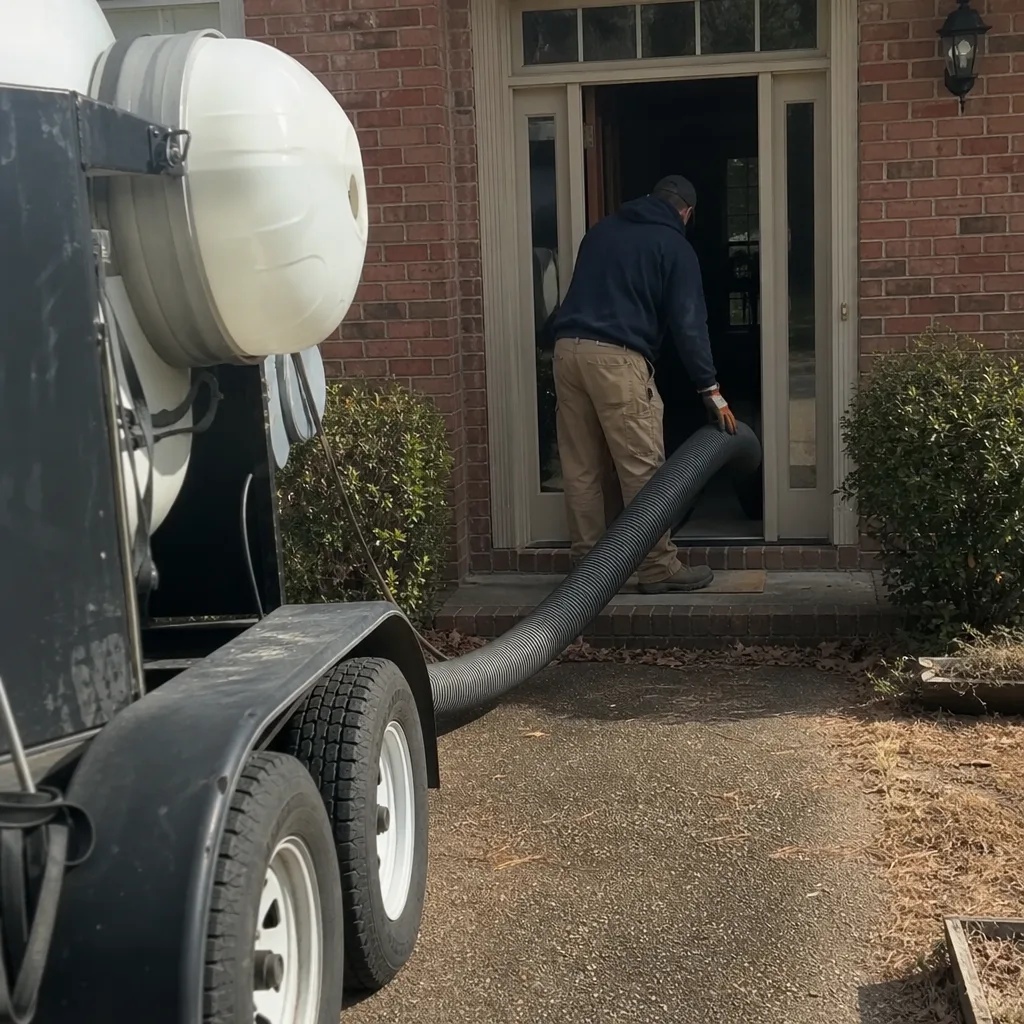
Last updated November 24, 2026
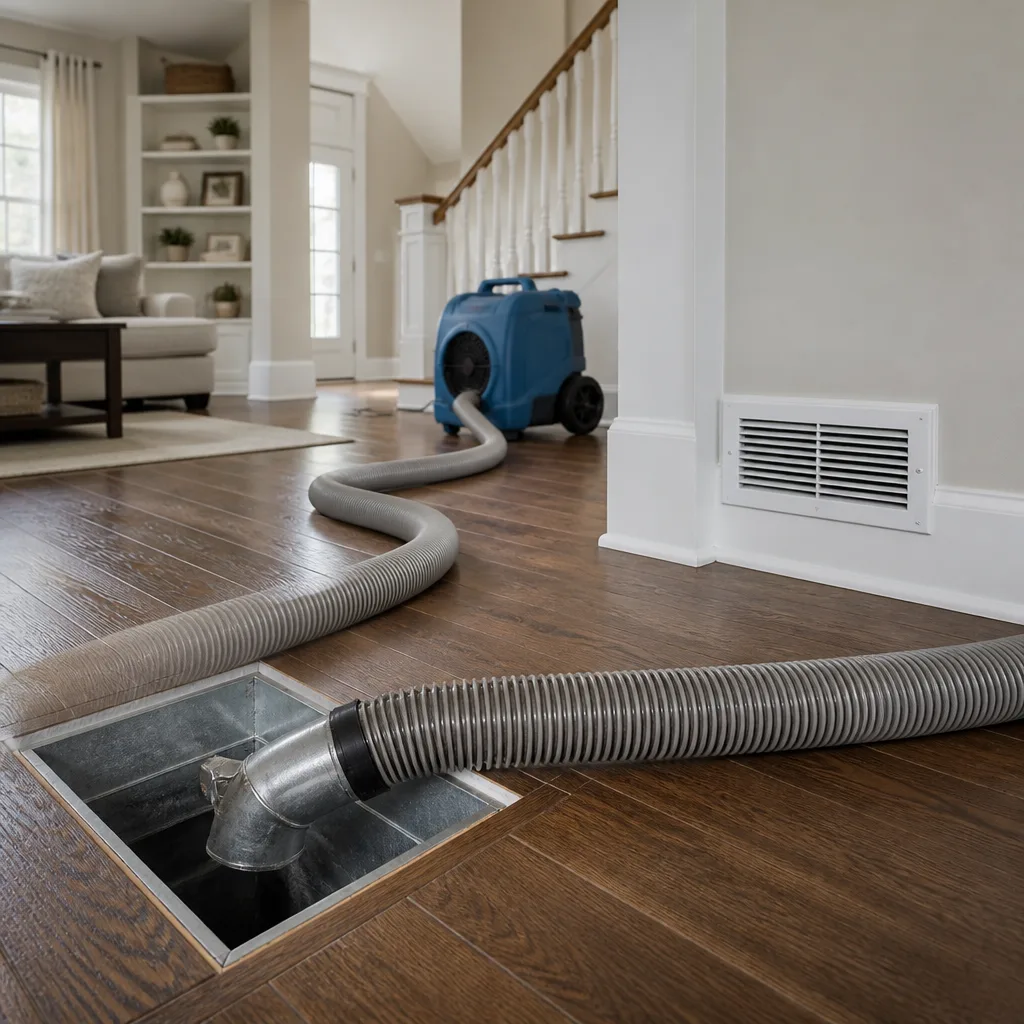 Whole-home duct cleaning
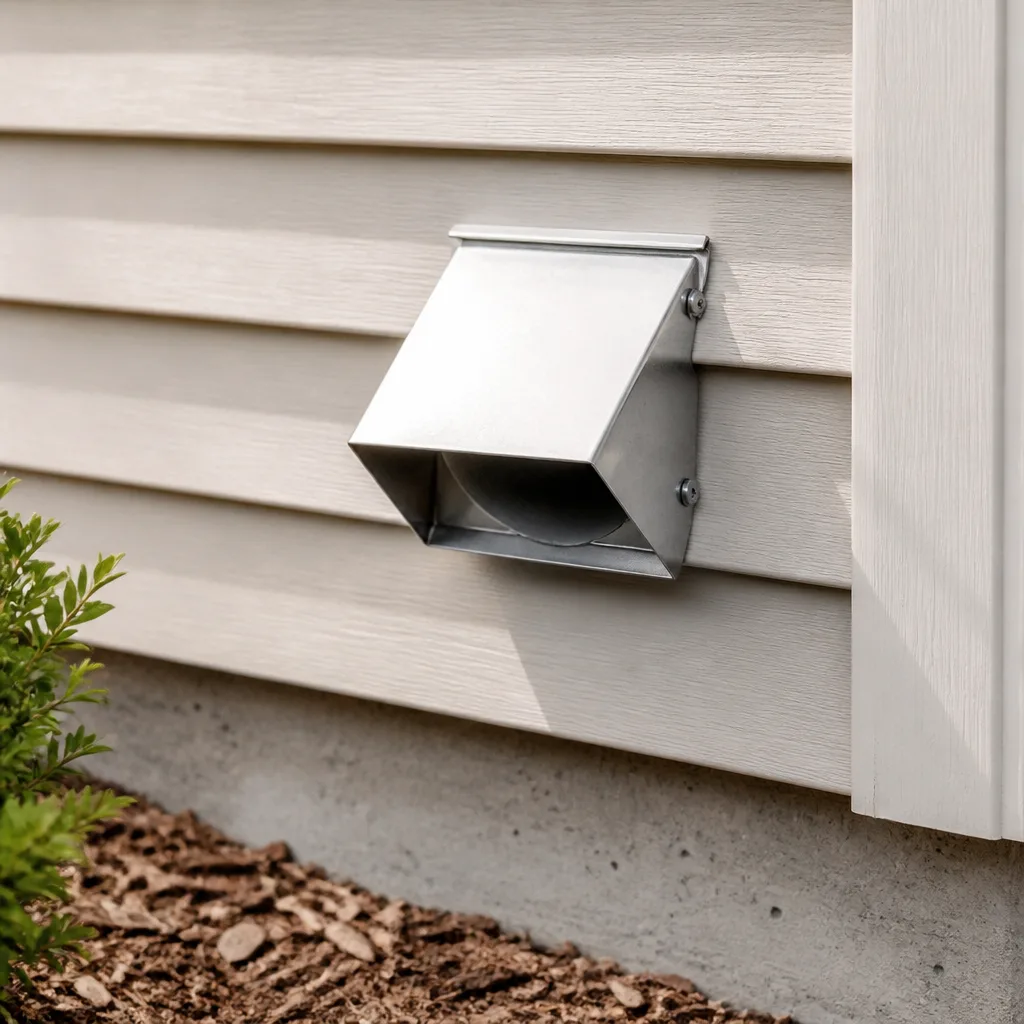 Dryer vent cleaning
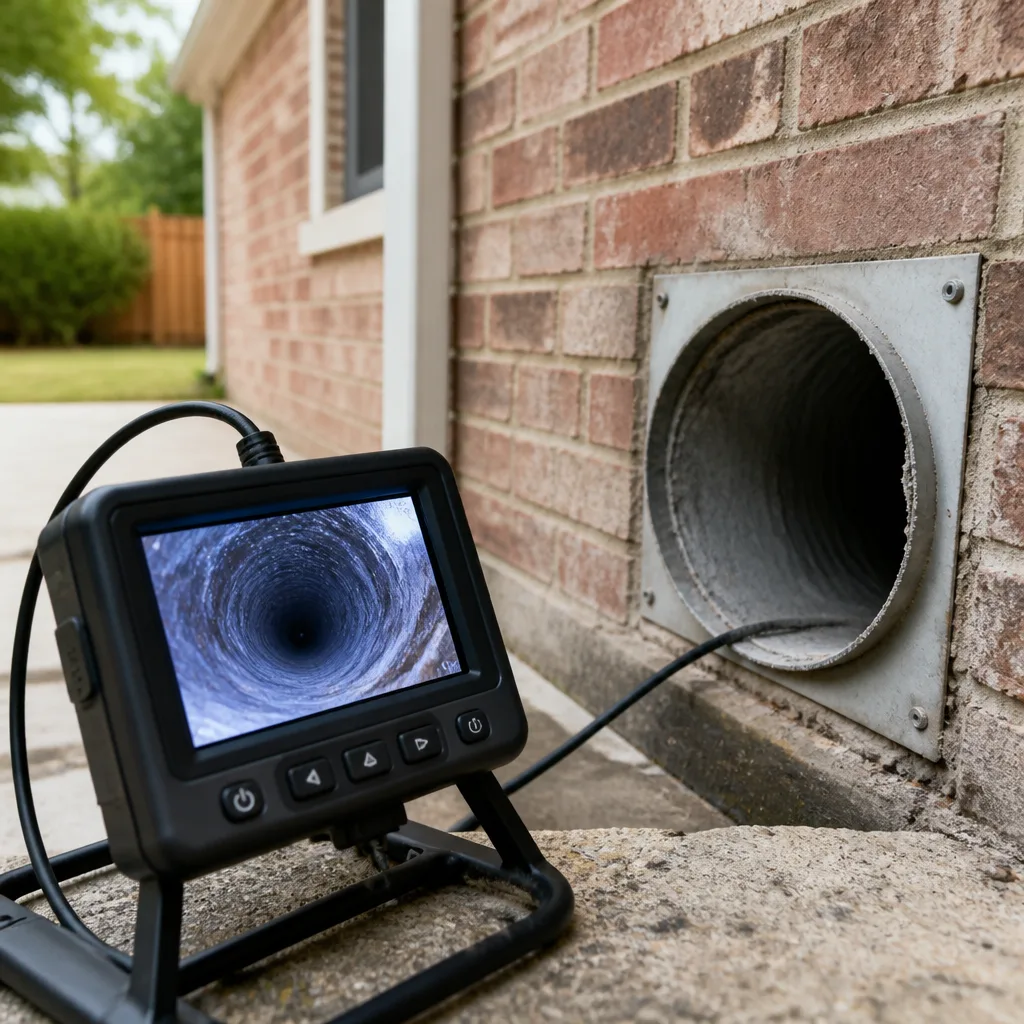 Camera inspection
 Sanitizing & deodorizing
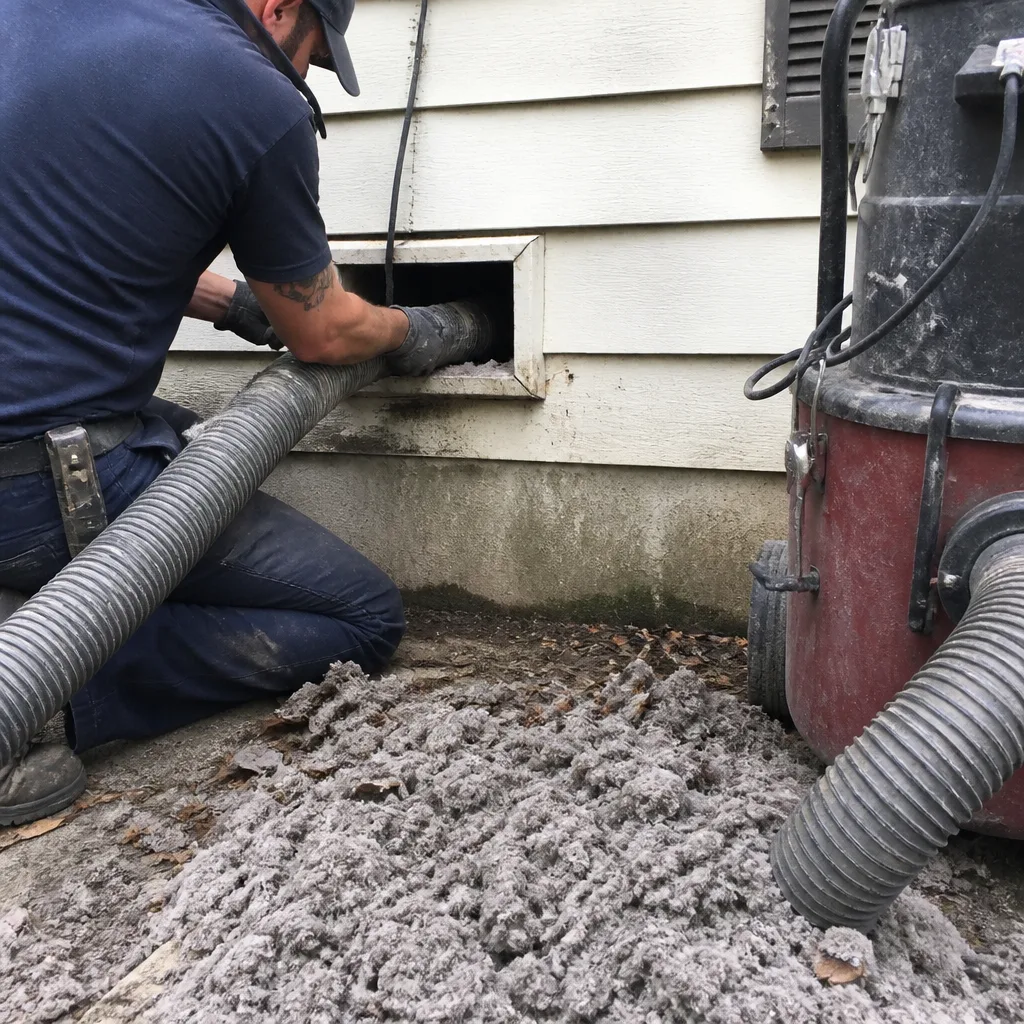
Whole-system duct and dryer vent check with before-and-after photos - you see exactly what came out of your vents
That "$99 whole-house special" is a bait ad - the real number appears once they are in your hallway, or the "clean" is a shop-vac at the register. We photograph the inside of your ducts before and after instead.
Air Duct Cleaning Emergency Preparedness Guide for Irving Park Homes
The most dangerous advice after a house fire is the advice almost everyone gives: open the windows and air it out. That works for the room that burned. It does nothing for the return air system, which has already pulled soot, ash, and combustion byproducts into every branch of ductwork feeding the rest of your home. The moment the HVAC comes back on, that contamination gets redistributed to bedrooms nobody ever saw smoke in. We wrote this guide because air quality emergencies in Irving Park – fires, floods, rodent intrusion, mold remediation – call for a structured duct response, not a routine cleaning. You’ll learn the order of operations, the timing windows, and how to work with your insurer.
Quick Answer
Air duct cleaning after an emergency in Irving Park is a sequenced response, not a single service. After a fire, the HVAC system must be locked out before restoration starts, then assessed and cleaned before air is allowed to circulate again. After flooding or a leak, duct interiors need inspection within 48 to 72 hours, before microbial growth turns a cleaning job into a remediation job. After rodent intrusion, cleaning plus insulation replacement plus sealing is the standard. And in every case, documentation matters as much as the work itself because that’s what supports an insurance claim.
Styles & brands we work with
- Whole-home duct cleaning
- Dryer vent cleaning
- Camera inspection
- Sanitizing & deodorizing
Table of Contents
- Post-Fire Duct Protocol in Irving Park
- Flood and Moisture Events: The 48 to 72 Hour Window
- Rodent Intrusion: Active Versus Historic Nesting
- Post-Remediation Verification After Mold Abatement
- Working With Your Insurance Adjuster
- What Professional Equipment Actually Does
- Building a Duct Emergency Plan Before You Need One
- Common Mistakes to Avoid
Post-Fire Duct Protocol in Irving Park
When a fire happens in an Irving Park home, the restoration contractor’s first job is to stabilize the structure. Your duct system’s first job is to stay off. Combustion byproducts – soot, char, vaporized plastics, and fine ash – travel on air currents and settle inside ductwork, especially on the return side, where the system is constantly drawing air back toward the furnace or air handler. Running the HVAC before that material is removed simply pushes it through the supply branches and out into rooms that were never damaged.
Here’s the sequence we recommend to Irving Park homeowners coordinating with a restoration crew:
- Lock out the HVAC system. Not just off at the thermostat – the equipment should be tagged or the breaker pulled so nobody can cycle it back on mid-project. This should happen before demolition, drywall removal, or deodorization begins.
- Get a contamination assessment. A proper assessment covers the return and supply branches, the interior of the air handler or furnace cabinet, the blower wheel, the evaporator coil if accessible, and the filter rack. It should tell you which branches are affected and how far the contamination travels.
- Clean before you treat. Source removal comes first. Sanitizing a soot-coated duct seals the soot in place; it doesn’t remove it.
- Address the air handler specifically. Duct cleaning alone doesn’t fix a blower wheel caked in soot. HVAC cleaning is a separate scope and, after a fire, usually a necessary one.
- Restore airflow only after verification. Filters replaced, system cleared, then the HVAC can run.
Our technicians have up to 9 years of experience, and the single most consistent thing we’ve learned about post-fire duct work is that the assessment determines everything downstream. A branch that looks clean at the register can hold a heavy soot load further in. For the cleaning mechanics themselves, air duct cleaning covers what source removal involves across the full pathway.
Flood and Moisture Events: The 48 to 72 Hour Window
Water and ductwork are a timing problem. After a flood, a burst pipe, a roof leak, or a sump failure in an Irving Park home, the interior surfaces of your duct system can become a moisture trap. Flexible duct with internal insulation is especially vulnerable – it holds dampness against the liner, and that’s exactly where microbial growth establishes. The window that matters is 48 to 72 hours. Inside that window, you’re typically dealing with drying and cleaning. Past it, you may be dealing with remediation-level contamination that requires a different scope, different documentation, and a bigger conversation with your insurer.
What a moisture inspection should cover:
- Visible standing water or dampness inside accessible duct sections and at the air handler base
- Insulation condition – compressed, saturated, or separated internal liner is a replacement item, not a drying item
- Surface moisture readings on duct interiors, not just ambient humidity in the room
- The air handler cabinet, blower compartment, and coil drain pan, which collect water and stay wet longest
- Any branch that runs through a crawlspace, rim joist cavity, or unconditioned zone of the house
North Carolina’s humid summers make this window shorter, not longer. A duct system that gets soaked in July in Irving Park is sitting in warm, wet air while it dries, which is precisely the condition mold needs. If a duct section is saturated, cleaning it isn’t enough – it needs to come out and be replaced, and the surrounding pathway needs to be cleaned and sealed before new material goes in. That’s why duct repair and sealing belongs in the same engagement as cleaning. We seal what we clean, which closes the gaps that let humid air back into a system you just dried out.
Rodent Intrusion: Active Versus Historic Nesting
Rodents in ductwork are common in older Irving Park housing stock, and the response depends entirely on one question: is the problem active or historic? A historic nest is old nesting material, droppings, and degraded insulation that no longer has animals attached to it. An active infestation means rodents are still moving through the system, and cleaning before exclusion is wasted work – they’ll recontaminate it within weeks.
How to tell the difference:
- Fresh droppings versus dried. Recent droppings are dark and soft; older ones are gray and brittle. This distinction belongs to a pest professional, not a guess at the register.
- Gnaw marks. Fresh chew marks on duct board, flex duct collars, or nearby framing suggest current activity.
- Sound and smell. Scratching in walls near duct chases, or a persistent ammonia odor, points to active occupation.
- Insulation damage pattern. Shredded, tunneled, or matted internal insulation is a nesting signature. It’s also a replacement item – cleaning can’t restore compromised insulation, and leaving it in place means the contamination source stays inside the system.
The correct order in Irving Park is exclusion first, then cleaning. Seal the entry points a pest professional identifies. Then the duct scope runs: remove debris and nesting material, clean the full pathway, replace compromised insulation, and seal gaps in the duct runs themselves. Droppings and nesting material are a genuine health concern, so this isn’t a job for a household vacuum – it needs containment and HEPA filtration, which is what the Nikro and Rotobrush systems we work with are built for.
Post-Remediation Verification After Mold Abatement
Post-remediation verification is the step that proves the mold job actually worked, and in ductwork it’s the step most often skipped. Here’s the scenario: a mold remediation contractor treats visible growth in a basement or around an air handler. The visible growth is gone. But the duct interiors downstream were never part of the remediation scope, and spores that settled there are still sitting in the air pathway. “Post-remediation verification” in a duct context means confirming, after cleaning and treatment, that the duct surfaces are clean and that the system isn’t going to reintroduce what was just removed.
What to request and what it should include:
- A written scope of what was cleaned – which branches, the air handler, the coil, the plenum. Vague invoices (“duct cleaning performed”) don’t verify anything.
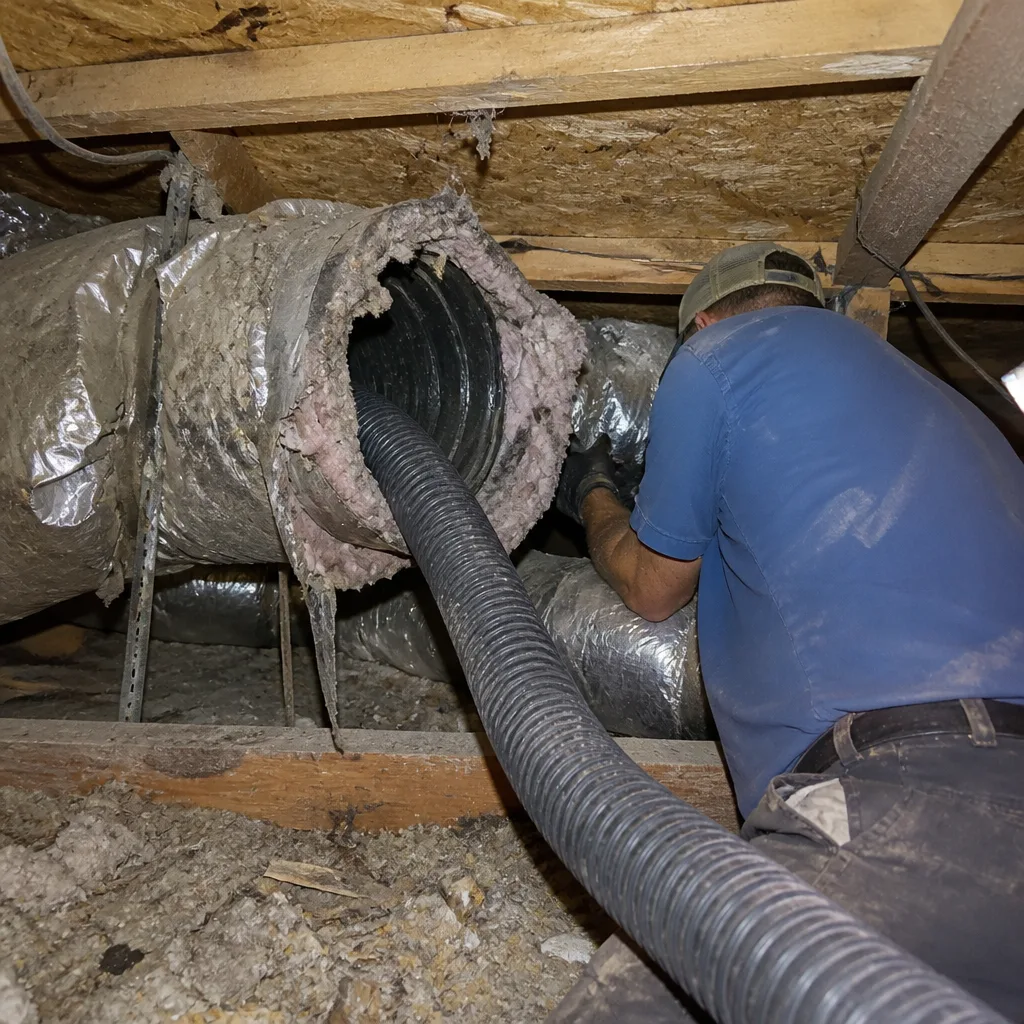
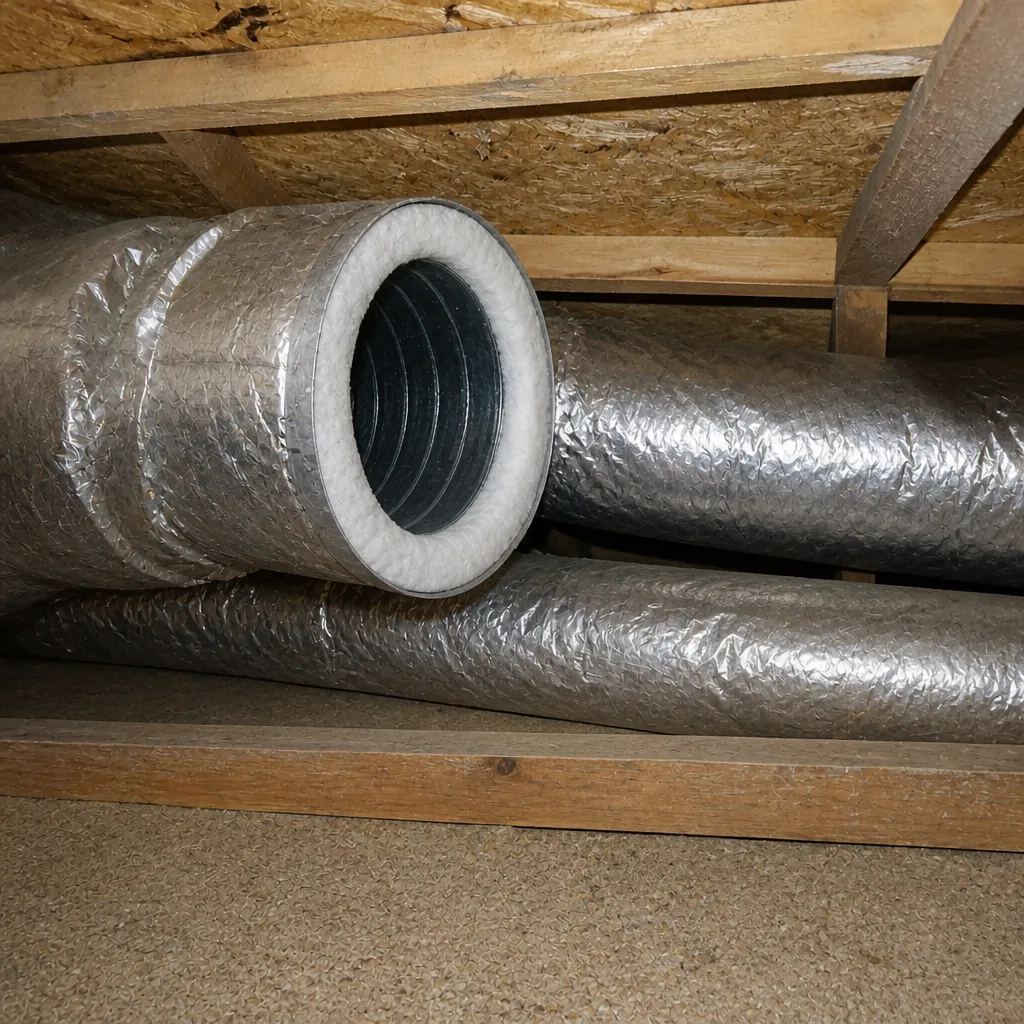
- Before-and-after photographs of your own ductwork. Interior photos of the branches, not just a register shot. This is the clearest evidence that source removal happened.
- Documentation of the products used. Our sanitizing work uses Abatement Technologies and Guardsman products, and the specific product should appear in the paperwork. If a contractor can’t name what they applied, that’s a red flag.
- Clearance confirmation. Depending on the remediation contractor’s process, this may involve surface sampling or a visual clearance sign-off. Ask what standard was used.
- A filter specification. Post-remediation, your filtration should be reviewed. This is where familiarity with Honeywell and Aprilaire systems matters – the right filter and cabinet setup keeps clean ducts clean.
In Irving Park, where a lot of homes have finished basements and ductwork running through them, moisture re-entry is the most common cause of a failed remediation. Sealing is the prevention. Duct repair and sealing after cleaning is what stops the cycle from starting again.
Working With Your Insurance Adjuster
Duct cleaning after an emergency is often a reimbursable line item, but adjusters process claims in categories – structure, contents, remediation – and ductwork can fall between them if nobody documents it properly. The documentation you collect before the work starts is what supports the claim. Here’s what adjusters typically respond to:
- A written assessment with photographs showing contamination in the duct interiors, tied to the loss event
- A line-item estimate broken out by scope: duct cleaning, HVAC cleaning, sanitizing, insulation replacement, sealing. A single lump sum is harder to approve than a structured estimate.
- Cause documentation – the fire report, the plumber’s invoice for the burst pipe, the pest control report. The duct contamination has to connect to a covered event.
- The product and equipment list, which shows the work is professional-grade rather than a shop-vac pass
- Post-work photographs and a completion summary, which close the loop
We can work with your insurer on the documentation side, and our estimates are written per job so the numbers are clear before anything is approved. One note specific to Irving Park and North Carolina generally: coverage depends on your policy and the cause of loss, so confirm with your adjuster which items are included. Some policies cover duct cleaning as part of a remediation scope; others treat it as an upgrade. Getting that answer before work starts saves an argument later. For more on the broader service picture, Air Duct Cleaning Irving Park lays out everything we cover.
What Professional Equipment Actually Does
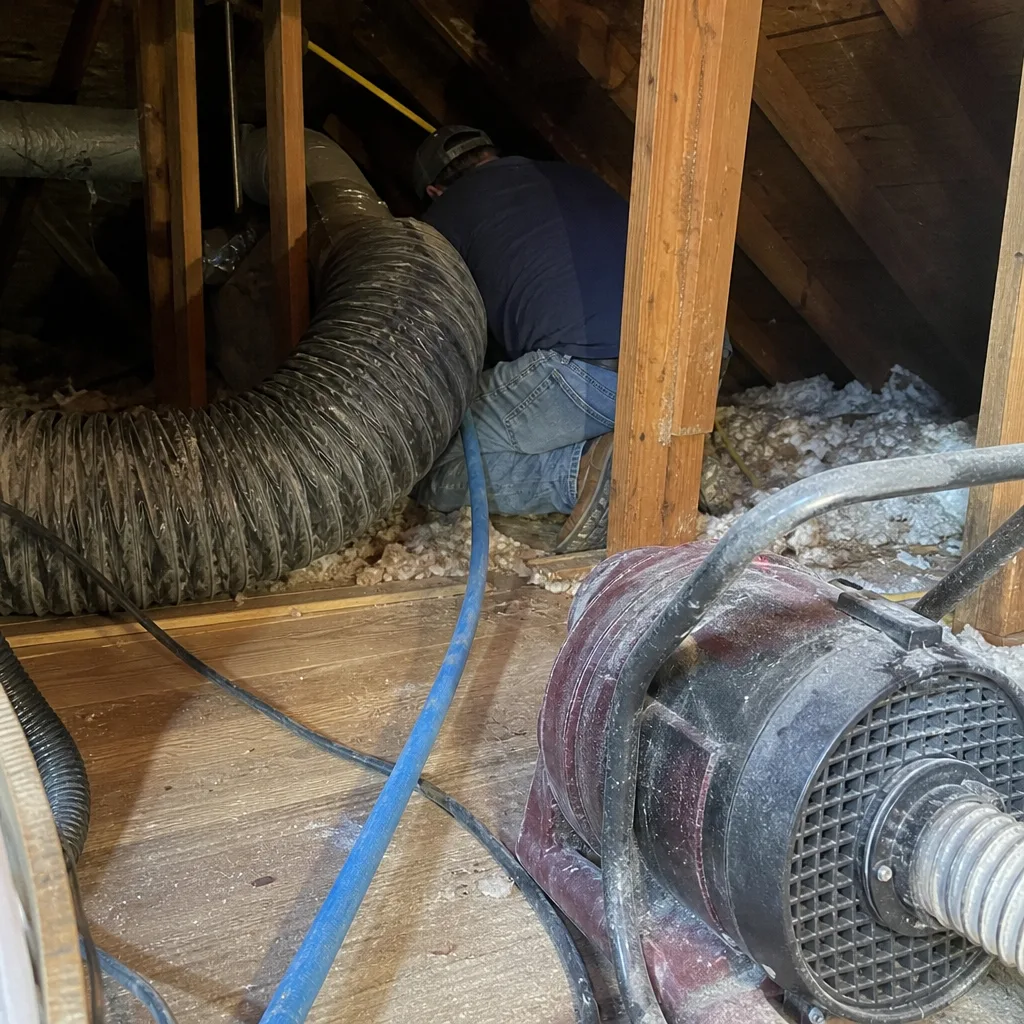
The difference between professional duct cleaning and a consumer vacuum isn’t marketing, it’s containment and agitation. A shop-vac pulls dust toward a filter in the room you’re standing in. Professional systems agitate debris off duct surfaces with a rotating brush or air whip, then pull it into a HEPA-filtered collection unit so it leaves the system without re-entering your home. That’s the whole game after an emergency, because the contamination you’re dealing with is fine, respiratory-sized material.
What we bring to an Irving Park job:
- Rotobrush – a rotary brush system that agitates and removes debris from duct walls while the vacuum captures it, used widely for residential source removal
- Nikro – high-capacity HEPA vacuum and agitation equipment for heavier contamination loads, including post-fire and post-rodent work
- Abatement Technologies and Guardsman sanitizing products – for addressing microbial contamination after source removal, not as a substitute for it
- Honeywell and Aprilaire familiarity – filtration and air treatment systems, so cleaning isn’t the last word on your air quality
Equipment matters most in emergency work because the contamination load is far heavier than routine buildup. A duct system that pulled in soot or nesting material needs containment and real agitation, and it needs the full pathway addressed – not just the vents. Where most duct cleaners stop, we keep going: HVAC cleaning, dryer vent cleaning, repair, and sealing all fit into one engagement, so you’re not calling a second contractor to finish what the first one started.
Building a Duct Emergency Plan Before You Need One
Most Irving Park homeowners don’t think about their ductwork until something fails. A little preparation cuts the recovery time dramatically, because the decisions you’ll need to make fast are the ones you can make calmly right now.
- Know where your HVAC disconnect is. Breaker, switch, tag – write it down. In a fire or flood, being able to shut the system down in seconds prevents contamination spread.
- Photograph your ductwork and equipment now. Registers, the air handler, the filter rack, the accessible duct runs. Pre-loss photos are gold in an insurance claim.
- Note your filter size and type. If you’re running a Honeywell or Aprilaire setup, record the model and filter spec. Post-emergency, you’ll want the right size on hand.
- Keep your insurance policy summary and adjuster contact where you can find it fast. Duct line items get resolved faster when you know your coverage before you call.
- Get a baseline duct cleaning on the schedule. Clean ducts make contamination easier to spot after an event, and routine HVAC cleaning keeps the system’s condition known.
One more piece of readiness that isn’t about ducts at all: dryer vents. In an emergency preparedness context, dryer vent cleaning is fire prevention, and it’s part of the whole-home safety picture we think every Irving Park household should have covered.
Common Mistakes to Avoid
- Running the HVAC after a fire before the ducts are assessed. This is the single biggest error. Every minute the system runs pushes soot deeper into the supply branches and into rooms that were never damaged.
- Sanitizing before source removal. Spraying a product into a duct full of soot or nesting material doesn’t sanitize it – it just wets the contamination. Cleaning comes first, always.
- Cleaning ducts while a rodent infestation is still active. Without exclusion, you’re cleaning a system that gets recontaminated within weeks. Fix the entry points first.
- Waiting past 72 hours after a water event. In Irving Park’s summer humidity, damp duct insulation colonizes quickly. A dry-out inspection inside the window is far cheaper than remediation after it.
- Accepting a lump-sum invoice with no scope. Adjusters need line items and photographs. A one-line invoice for “duct cleaning” rarely supports a reimbursement and never verifies the work.
- Treating register cleaning as duct cleaning. Wiping down the vent covers addresses what you can see. The contamination after an emergency is in the branches behind them.
- Skipping the sealing step. Cleaned ducts with open gaps draw humid air, dust, and pests back in. Repair and sealing closes the pathway you just cleaned.
See the difference
 Before
 After
 Before
 After
 Before
 After
When to Call a Professional
Some situations don’t wait for a routine appointment. Call us if any of these apply: you’ve had a fire, even a small kitchen fire, and the HVAC has been or will be running; you’ve had water intrusion into the duct system or a flooded air handler; you’ve found rodent droppings, nesting material, or shredded insulation inside a duct run; a mold remediation has just been completed and the ductwork wasn’t part of the scope; or you’ve noticed a musty odor that returns every time the system runs. Those are emergency-response situations, not maintenance calls. Air Duct Cleaning Irving Park offers free estimates in Irving Park – call (855) 606-6578. We answer 24/7. Fast dispatch from 7am to 7pm, Sunday through Friday.
Frequently Asked Questions
No. Keep the system off until the ductwork has been assessed. Even a small fire produces soot and combustion byproducts that settle in the return system, and running the HVAC redistributes them to every room. Lock out the equipment, get an assessment, then clean and verify before restoring airflow. Call (855) 606-6578 for an estimate – estimates are free.
Within 48 to 72 hours. Damp duct interiors, especially flexible duct with internal insulation, become a growth environment fast in North Carolina’s humid summers. Inspection inside that window usually means drying and cleaning; past it, you may be looking at insulation replacement and remediation-level work. Call (855) 606-6578 to schedule an inspection.
Often yes, when the contamination is tied to a covered loss like a fire or burst pipe, but it depends on your policy. The documentation that supports a claim is a written assessment with interior photographs, a line-item estimate broken out by scope, cause documentation, and post-work photos. We can work with your insurer on the paperwork. Call (855) 606-6578 for a written estimate.
Fresh droppings, recent gnaw marks, scratching sounds near duct chases, and a persistent ammonia odor all point to active habitation. Dried, gray, brittle droppings suggest a historic nest. Either way, exclusion comes before cleaning, and compromised insulation is a replacement item. Call (855) 606-6578 to talk through your situation.
It means proving, after cleaning and treatment, that the duct system is clean and won’t reintroduce contamination. The documentation should name every branch and component cleaned, include before-and-after photos of your own ducts, list the products applied, and confirm clearance. Ask for all four before you consider the job closed. Call (855) 606-6578 with questions about your remediation scope.
After a fire or water event, no. Soot settles deeper and moisture colonizes with time, and both turn a cleaning job into a bigger remediation. After a historic rodent issue with exclusion already handled, the timeline is less urgent but still worth scheduling promptly. Call (855) 606-6578 for a free estimate – we’ll tell you honestly what the timeline looks like.
The Bottom Line
An air quality emergency in an Irving Park home is a sequencing problem before it’s a cleaning problem. Lock out the HVAC after a fire. Inspect within 48 to 72 hours after water. Exclude rodents before you clean. Verify the work after a remediation, and document everything for your adjuster. The whole pathway matters – ducts, air handler, insulation, seals – and that’s the reason we cover cleaning, repair, and sanitizing in one engagement. If you’ve had an event and aren’t sure where to start, call us and we’ll walk through it. Air you can trust starts with a plan you made before you needed it.
Call (855) 606-6578 for a free estimate. We answer 24/7. Fast dispatch from 7am to 7pm, Sunday through Friday.
Written by the team at Air Duct Cleaning Irving Park.