
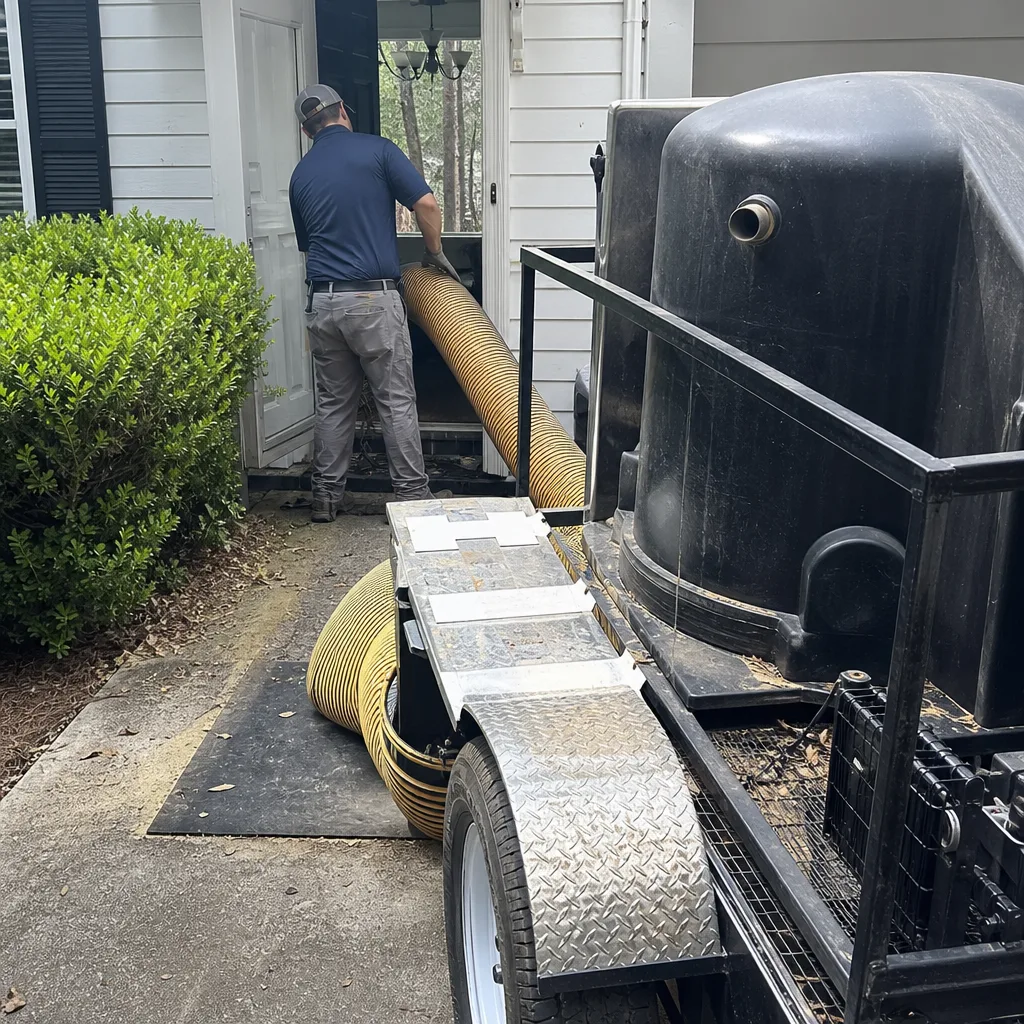
Last updated November 24, 2026
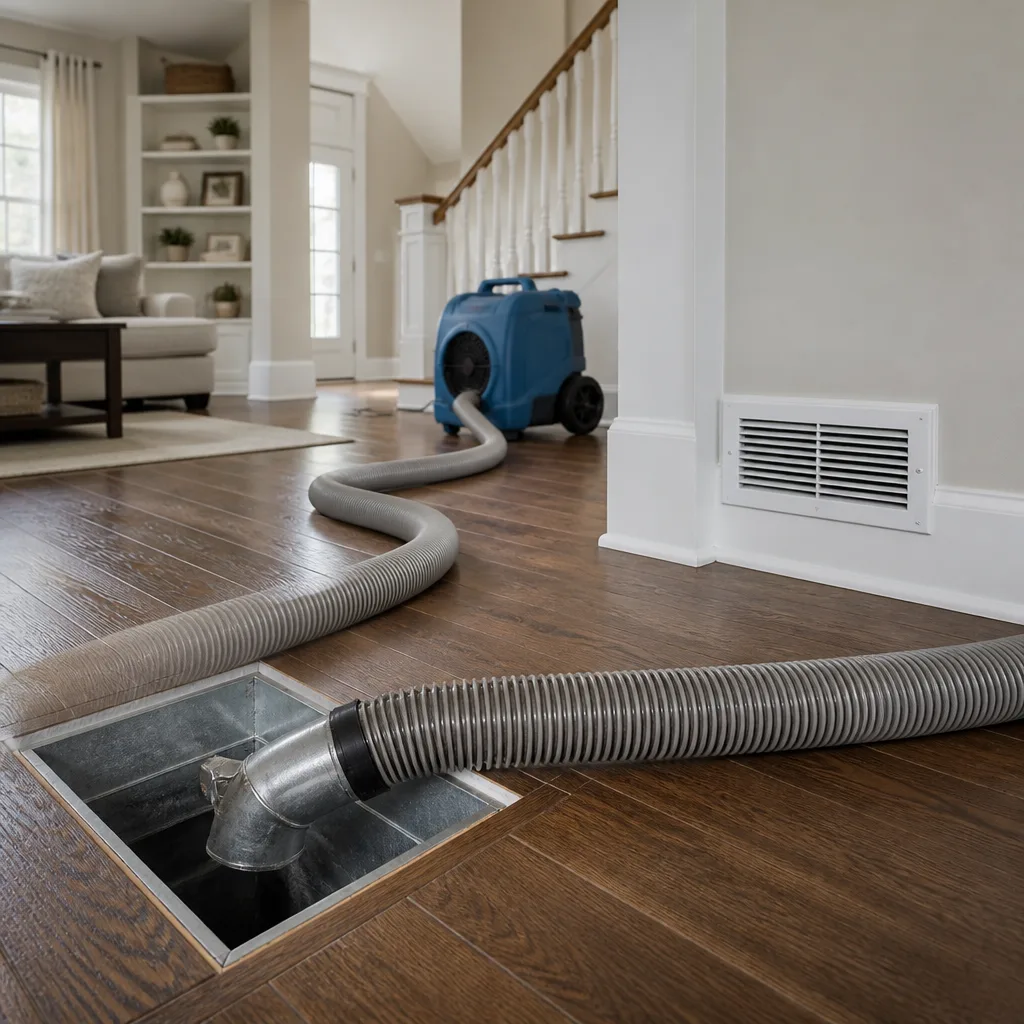 Whole-home duct cleaning
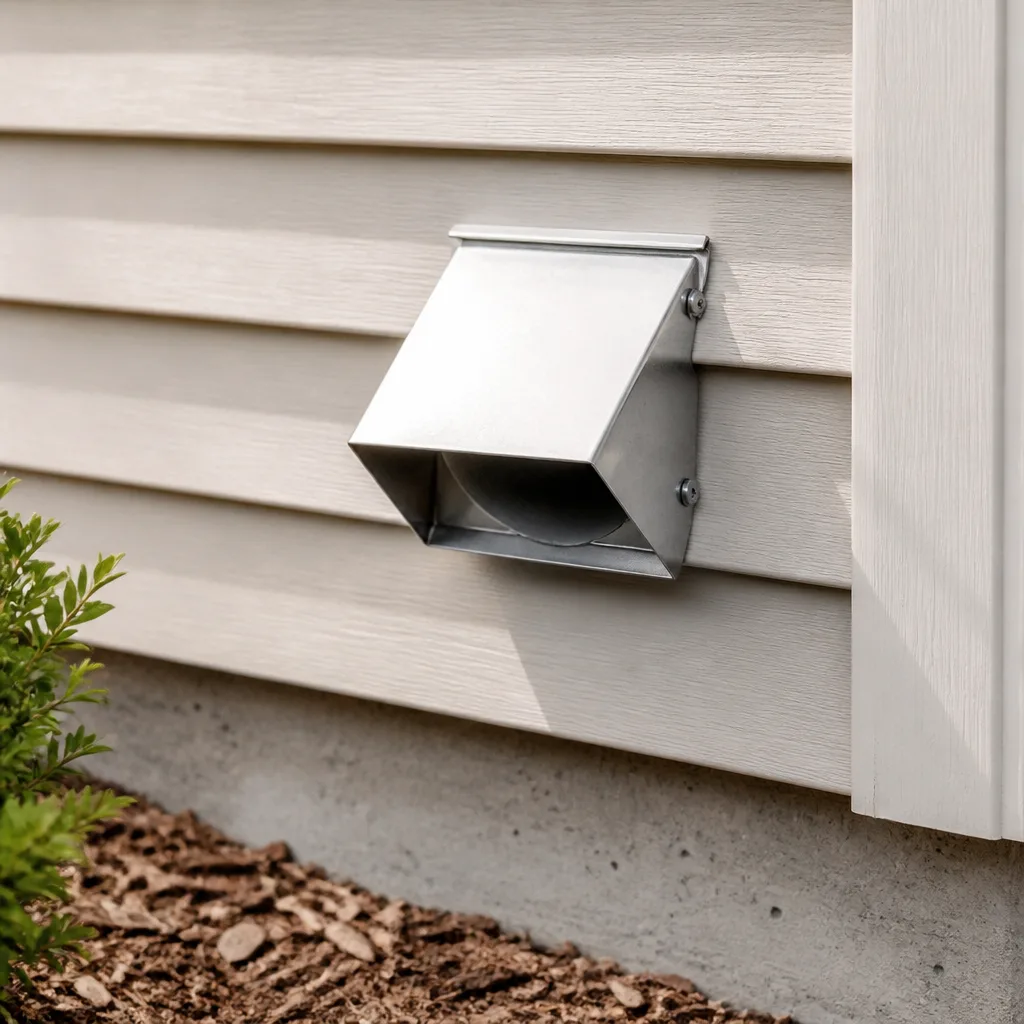 Dryer vent cleaning
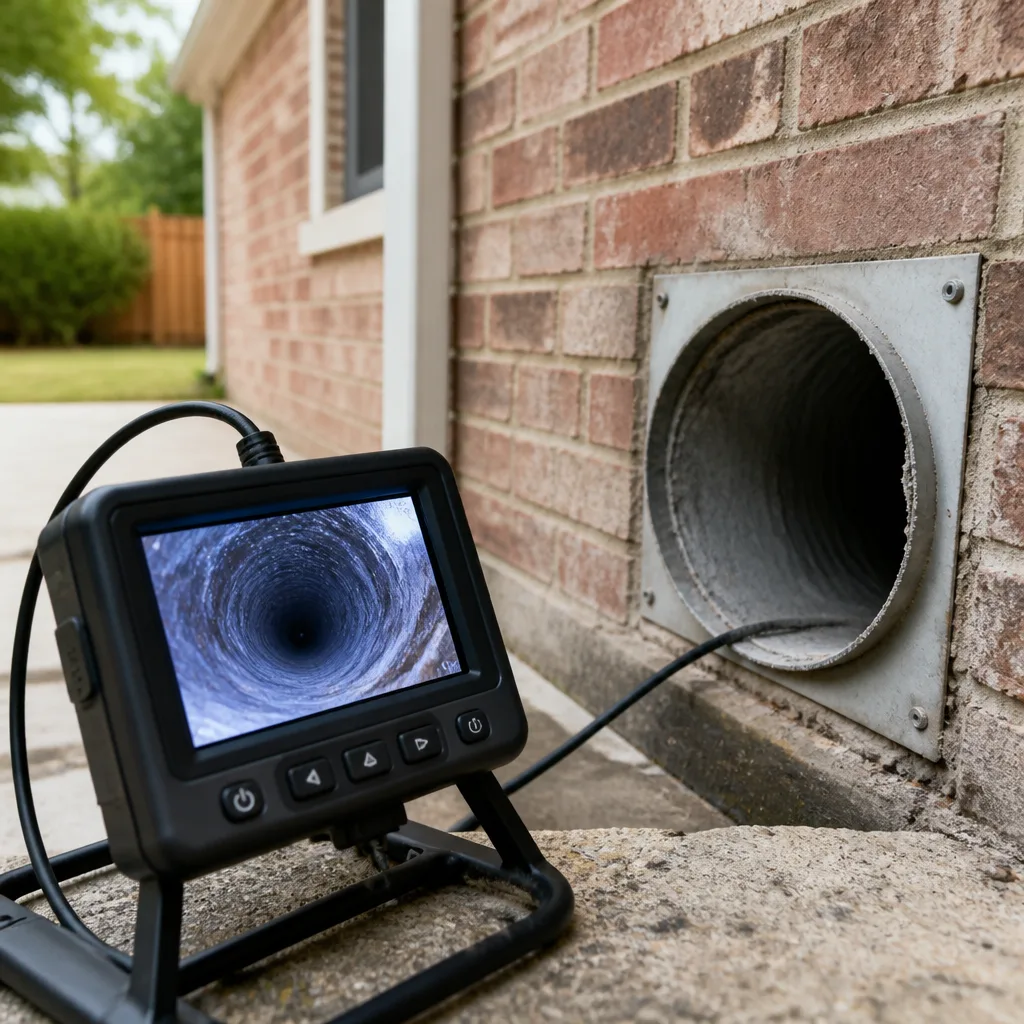 Camera inspection
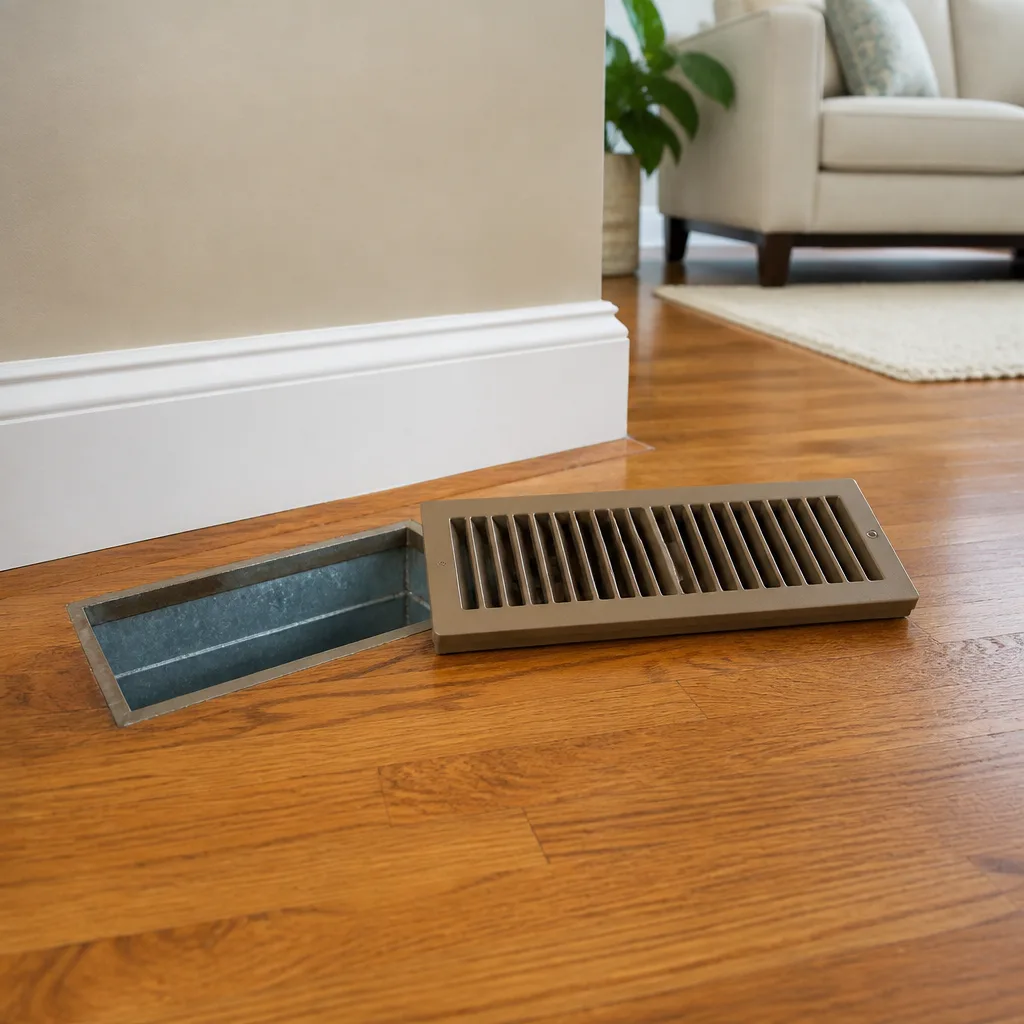 Sanitizing & deodorizing
Whole-system duct and dryer vent check with before-and-after photos - you see exactly what came out of your vents
That "$99 whole-house special" is a bait ad - the real number appears once they are in your hallway, or the "clean" is a shop-vac at the register. We photograph the inside of your ducts before and after instead.
Air Duct Cleaning Cost Breakdown: The Irving Park Homeowner’s Reference for 2026
A $99 whole-house duct cleaning offer isn’t a deal. It’s a business model. The number on the coupon is designed to get a technician through your door, and the real invoice gets built once he’s standing in your hallway looking at your vents, your plenum, and your willingness to say yes. That’s not cynicism talking – it’s how flat-rate bait pricing works, and it’s the single most common complaint in this trade. The good news is that duct cleaning pricing isn’t mysterious once you know what you’re actually paying for. In this guide, we break down a legitimate Irving Park duct cleaning quote line by line: the labor, the equipment, the scope, the documentation. You’ll learn which pricing model protects you and which one exposes you, where a quote can honestly land in 2026, and – most importantly – how to tell a fair bid from a cheap one before any money changes hands.
Quick Answer
A standard air duct cleaning in Irving Park typically runs $300 to $500 for an average single-family home, a mid-tier cleaning with coil and component work lands around $500 to $800, and a full-spectrum engagement covering duct repair, sealing, and sanitizing can reach $900 to $1,500 or more depending on system size and condition. The written estimate – not the phone quote, not the coupon – sets the final price. Any offer dramatically below these ranges on a whole-house system is a starting point for upselling, not a final price.
Styles & brands we work with
- Whole-home duct cleaning
- Dryer vent cleaning
- Camera inspection
- Sanitizing & deodorizing
Table of Contents
- The Three Pricing Models, and Which One Protects You
- What Actually Drives Legitimate Cost Variation
- Line-Item Breakdown of a Full-Service Cleaning
- When Add-Ons Are Warranted vs. When They’re Margin
- 2026 Irving Park Price Benchmarks by Tier
- How to Read a Duct Cleaning Quote
- Why Equipment Determines What You’re Really Paying For
- Common Mistakes to Avoid
- Frequently Asked Questions
The Three Pricing Models, and Which One Protects You
Almost every duct cleaning price you’ll see in Irving Park falls into one of three formats: per-vent, flat-rate per system, or square-footage. Each one shifts risk to a different party, and the difference matters when the technician is standing in your utility room.
Per-Vent Pricing
You’re quoted a price per register – say, $25 per vent. On the surface this looks fair, and that’s exactly why it’s popular. The problem is that vent counts are easy to inflate or deflate. A home with twelve registers can be quoted as a “small” system at one company and a “medium” at another, and the price per vent can be quietly raised once the technician recalculates on site. Worse, per-vent pricing encourages technicians to spend equal time on every vent regardless of contamination. The two registers closest to the return – usually the dirtiest in the house – get the same attention as the ones in your guest room.
Flat-Rate Per System
A flat price per HVAC system, agreed before work starts, is the format that protects the homeowner. It doesn’t reward the contractor for finding more vents or stretching the job. And it forces the contractor to actually inspect the system first, because a flat-rate bid without an inspection is just a guess. In our experience, the most reliable quotes in Irving Park come from contractors who walk the system, count the zones, check accessibility, and then commit to a number in writing.
Square-Footage Pricing
Square-footage pricing – a per-square-foot rate multiplied by your conditioned floor area – is reasonable in principle because larger houses genuinely cost more to clean. But it’s coarse. A 2,800-square-foot ranch with a single-zone split system is a different job than a 2,800-square-foot two-story with zoned HVAC and two air handlers. Square footage doesn’t capture that difference, so the quote either overcharges the simple house or underestimates the complex one.
Which One Should You Choose?
- Ask for a flat price per system. Not per vent, not per hour, not per register.
- Require an inspection before the number is final. A quote over the phone is a placeholder.
- Get the scope in writing. What gets cleaned, what gets sanitized, what gets documented.
- Confirm there’s no upcharge for accessibility or zone count baked in later. If it’s not in the written estimate, it’s not the price.
What Actually Drives Legitimate Cost Variation
Two homes on the same block in Irving Park can be quoted $200 apart for a legitimate reason, and neither quote is wrong. Duct cleaning cost tracks five real variables, and any honest estimate reflects them.
- System size and configuration. A single-zone split system with one air handler is a simpler job than a two-zone system with two returns and two handlers. Each additional zone adds labor, negative-pressure setup time, and containment requirements.
- Accessibility. Duct runs buried above finished ceilings or crammed into tight attic chases take longer to reach and require more careful containment. A basement or crawlspace run is quicker. Accessibility is a real cost driver, and it’s the one contractors most often use to justify a post-quote upcharge – so get it addressed in the written estimate.
- Contamination type. Dry dust and general buildup are the baseline. Hidden moisture, visible microbial growth inside the ductwork, or heavy debris from renovation work pushes the job into a different category of labor and product.
- Number of returns and zones. Returns carry the most contamination per linear foot, and multiple returns multiply the work. A house with three returns needs three separate containment points.
- Equipment required. A consumer-grade shop vac cannot move the volume of air needed to evacuate a residential duct system. The equipment tier drives the quote, and it should – professional-grade negative-pressure equipment and rotary agitation tools are expensive, and they’re the reason the work actually gets done.
What should not drive cost variation: whether the technician showed up on a Saturday, whether the job was booked the same day, or whether the phone rang after hours. Speed of scheduling is not a legitimate premium driver, and any quote that adds one is worth scrutinizing.
Line-Item Breakdown of a Full-Service Cleaning
A full-service cleaning done right isn’t one step, it’s six to eight steps. Here’s what a thorough engagement actually includes, in the order it happens, so you can recognize when a quote is skipping something.
- Inspection and system mapping. The technician traces the supply and return runs, counts registers, identifies air handlers and coils, and checks for disconnected sections, crushed duct runs, or evidence of moisture. This step produces the written scope and the flat price.
- Negative-pressure setup. A high-capacity HEPA vacuum – professional units from manufacturers like Nikro are designed for this – is connected to the main trunk and air handler to create negative pressure throughout the system. This is the step that prevents loosened debris from blowing into living space, and it’s the first place a bargain quote cuts corners. If the technician shows up with a wet/dry vac, the job isn’t being done safely.
- Containment of registers and returns. Every supply and return opening is sealed. This is routine in any legitimate job, and its absence is one of the clearest tell signs of a rushed crew.
- Manual agitation of the duct interior. Rotary brush and whip systems – like the Rotobrush system – break loose adhered dust and debris from duct walls. Vacuum alone doesn’t move dust that’s clinging to the metal.
- HVAC component cleaning. The evaporator coil, condensate pan, and blower wheel are cleaned. A coil that’s caked with dust is limiting airflow regardless of how clean the ducts are. This is where HVAC cleaning folds into the same job.
- Sanitizing, when warranted. Products from Abatement Technologies and Guardsman are applied to the duct interior to address microbial contamination and airborne particulates. This is an add-on that’s sometimes unnecessary – more on that below – but on a system with real microbial growth, it’s not optional.
- Duct repair and sealing. Loose joints, disconnected flex runs, and gaps at the plenum get sealed. A small percentage of HVAC efficiency losses trace to leaks at the ducts themselves. Cleaning a leaky system without sealing it is finishing half the job.
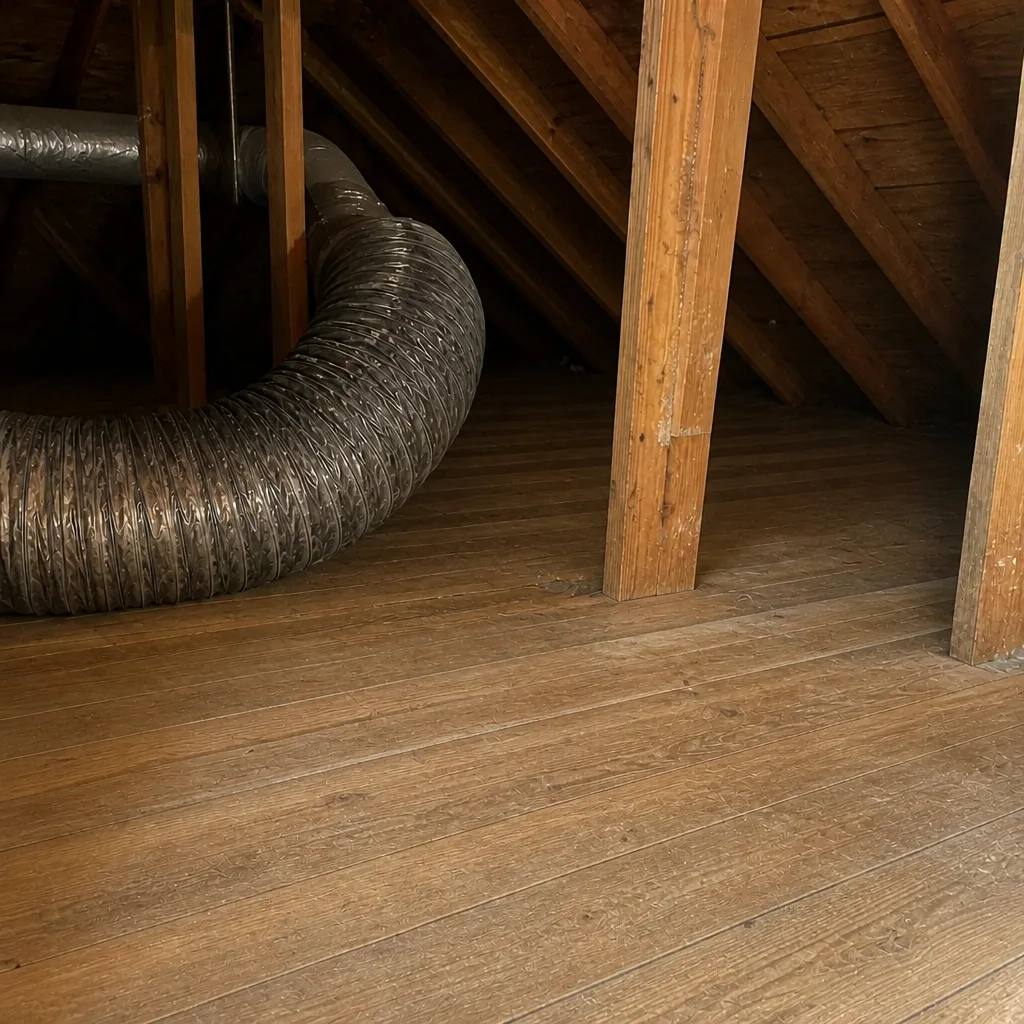
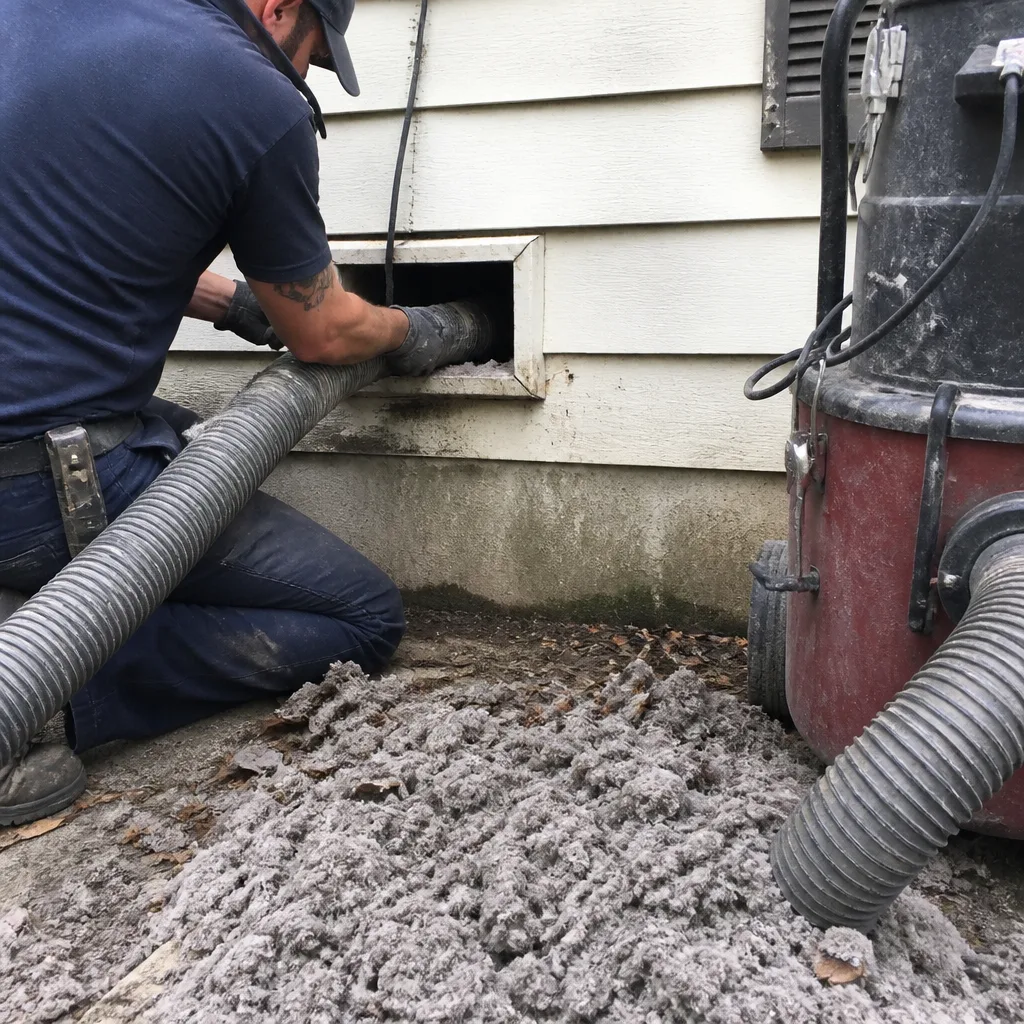
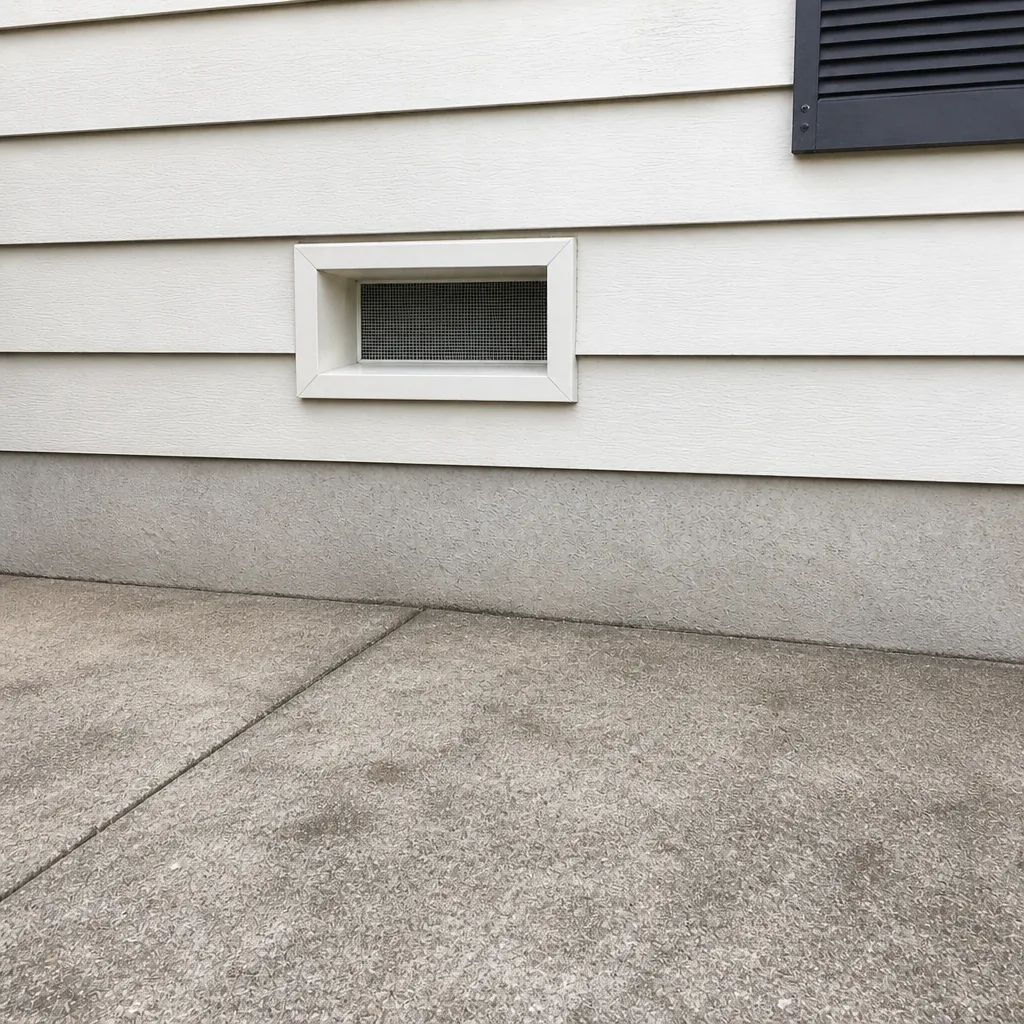
- Documentation. Before-and-after photographs of the system, and a written summary of what was cleaned, what was sealed, and what was treated. A contractor who can’t show you the work in photos is asking you to take it on faith.
If your quote covers steps one, two, and four but not the coil cleaning, sealing, and documentation, you’re probably paying for a partial job at what looks like a full price.
When Add-Ons Are Warranted vs. When They’re Margin
The upsell is where the $99 coupon really lives. A technician who arrives with a preset list of “recommended” add-ons is selling a product, not diagnosing a system. Here’s how to tell the difference.
Warranted Add-Ons
- Duct repair and sealing – warranted when inspection shows disconnected joints, crushed flex, or gaps at the plenum. The efficiency gains are measurable, and cleaning a leaking system without sealing it wastes the cleaning.
- Sanitizing – warranted when there’s visible microbial growth, persistent musty odor that doesn’t clear after a standard cleaning, or a history of water intrusion in the system. Products from Abatement Technologies and Guardsman are designed for this, and the application is a legitimate step.
- Coil cleaning – warranted on essentially every system that hasn’t been cleaned in several years. A dirty evaporator coil restricts airflow and forces the blower to work harder. Cleaning it is not an upsell; it’s part of a complete job.
Where the Margin Lives
- “Anti-bacterial fogging” applied to a system with no evidence of contamination – a common tack-on that makes the invoice grow without addressing anything the inspection found.
- UV lamp installation – UV systems can help with coil microbial growth, but they’re a genuine upgrade, not a cleaning step. If a technician is pushing one without a specific diagnosis, it’s margin, not maintenance.
- “Filtration upgrade” pitches from a duct cleaner – filtration is a filtration decision, not a duct cleaning decision. Brand systems from Honeywell and Aprilaire are worth discussing with someone who understands the whole HVAC setup, which is a separate conversation from the cleaning itself.
- Per-vent upcharges after the quote – if the price was quoted per vent, the upsell is baked in from the start.
The test is simple: did the inspection identify a specific problem the add-on addresses? If the technician can show you the moisture, the growth, the disconnected joint, then the add-on is answering a finding. If the recommendation appears before the inspection, the invoice is being designed.
2026 Irving Park Price Benchmarks by Tier
These are typical ranges for the Irving Park market in 2026, based on what homeowners report paying for jobs of different scope. They are estimates, not quotes – the written estimate sets the final price on any individual home. Homes closer to the lakefront or in older neighborhoods with retrofitted ductwork can run higher; compact newer builds often land at the low end.
| Tier | What’s Covered | Typical 2026 Range (Irving Park) |
|---|---|---|
| Standard cleaning | Supply and return ducts, registers, negative-pressure setup, agitation, before-and-after photos. No coil cleaning, no sealing. | $300 – $500 |
| Mid-tier with component work | Everything in standard, plus evaporator coil cleaning, blower wheel cleaning, condensate pan cleaning, and a written condition report. | $500 – $800 |
| Full-spectrum | Everything in mid-tier, plus duct repair and sealing, sanitizing where warranted, and dryer vent cleaning folded into the same visit. | $900 – $1,500+ |
| Dryer vent cleaning (standalone) | Lint removal from the full run, exterior vent check, airflow verification. Routinely bundled into full-spectrum jobs. | $125 – $250 |
What the standard tier delivers vs. what it doesn’t: a standard cleaning gets the ducts themselves clean – which is the core of the job – but leaves the coil and components untouched. If you’ve been in the house for years without a cleaning and the HVAC has been running through hot summers, the coil is likely a real problem. That’s the honest argument for the mid-tier, not the sales pitch.
What the full-spectrum tier adds is the efficiency side of the equation. Scaling and sealing leaks, sanitizing where the inspection showed growth, and handling the dryer vent on the same visit is a single engagement that addresses the whole air pathway. Most duct cleaning companies can’t do all of that; a full-spectrum shop uses Air Duct Cleaning Irving Park as its reference point for what the job should look like when nothing is left out.
How to Read a Duct Cleaning Quote
A quote is only useful if it’s specific enough to hold the contractor to it. Here’s what a written estimate in Irving Park should show, and what a phone number should never substitute for.
- The price format. Flat rate per system, stated clearly. Not per vent, not per register, not hourly.
- The scope list. Every step named: inspection, negative-pressure setup, containment, agitation, component cleaning, sealing, sanitizing (if warranted), documentation.
- The equipment named. Professional-grade systems from manufacturers like Rotobrush or Nikro should be explicit. The quote should tell you what’s being used.
- The condition report commitment. Before-and-after photos, written summary, specific findings. This is what protects you when the technician is gone.
- A clear statement that this is the price. No “starting at,” no “plus accessible areas,” no per-zone surcharge that appears later.
- The exceptions, stated in advance. If microbial remediation of hidden growth is possible, that scope and its pricing should be spelled out, not sprung.
Estimates are free, and there is no reason to accept a quote that can’t survive these six checks. If a contractor won’t put the scope in writing, the quote isn’t real yet.
Why Equipment Determines What You’re Really Paying For
The single clearest way to separate a legitimate bid from a bargain bid is to ask what equipment is coming into your house. This is where “we’re a full-service shop” vs. “we’re a two-person operation with a shop vac” becomes visible, and it explains most of the price gap between quotes.
Professional duct cleaning requires moving high volumes of air with adequate filtration – which is why serious contractors run HEPA systems from manufacturers like Nikro, coupled with rotary agitation tools like the Rotobrush line. Those systems contain the debris, evacuate the system, and break loose the dust that’s adhered to the duct walls. A consumer vacuum can’t pull from a duct run, can’t hold containment, and can’t agitate. It can get a wand partway into a register and make a photo look good for five minutes.
What the equipment investment actually gives you, as a homeowner:
- Actual evacuation, not just register surface cleaning – the debris leaves the system instead of redistributing into the living space.
- Documentation capability – professional equipment includes cameras and before-and-after capture, which means the work is provable rather than claimed.
- Sanitizing done correctly – product application from brands like Guardsman and Abatement Technologies is a contained, metered process, not fogging the living room and calling it air quality work.
- The full pathway covered in one visit – ducts, dryer vent cleaning, HVAC components, and air quality treatment all run through the same equipment and the same trained hands.
If a quote looks suspiciously low, the first question to ask isn’t “why is your price low.” It’s “what equipment are you bringing.” The answer will usually explain the gap.
Common Mistakes to Avoid
- Booking on the coupon price without confirming the scope in writing. The teaser number is a door-opener. Ask for the flat price per system and the scope list before you commit to a date.
- Accepting a phone quote as the final price. A quote given without an inspection is a guess. It becomes real only after the technician has walked the system and put it in writing.
- Skipping the coil and component cleaning to save a few hundred dollars. A clean duct attached to a dirty coil still has restricted airflow. The component work is where the actual system efficiency improvement comes from.
- Letting the technician add services on the spot that weren’t in the original scope. Add-ons are legitimate when they answer a specific finding from the inspection. When they don’t, they’re margin.
- Ignoring the dryer vent. Lint accumulation in the dryer vent is a fire-safety concern independent of air quality, and it’s easy to fold into the same visit. Skipping it because “we just came for the ducts” leaves a real risk in place.
- Forgetting to ask for before-and-after photos. If you can’t see what was cleaned, you can’t verify what was cleaned. Documentation is the difference between a claimed job and a proven one.
- Assuming the cheapest bid is the same job with tighter margins. In this trade, it usually isn’t. The cheapest bid is a different job, sometimes with a fraction of the equipment and almost none of the containment.
See the difference
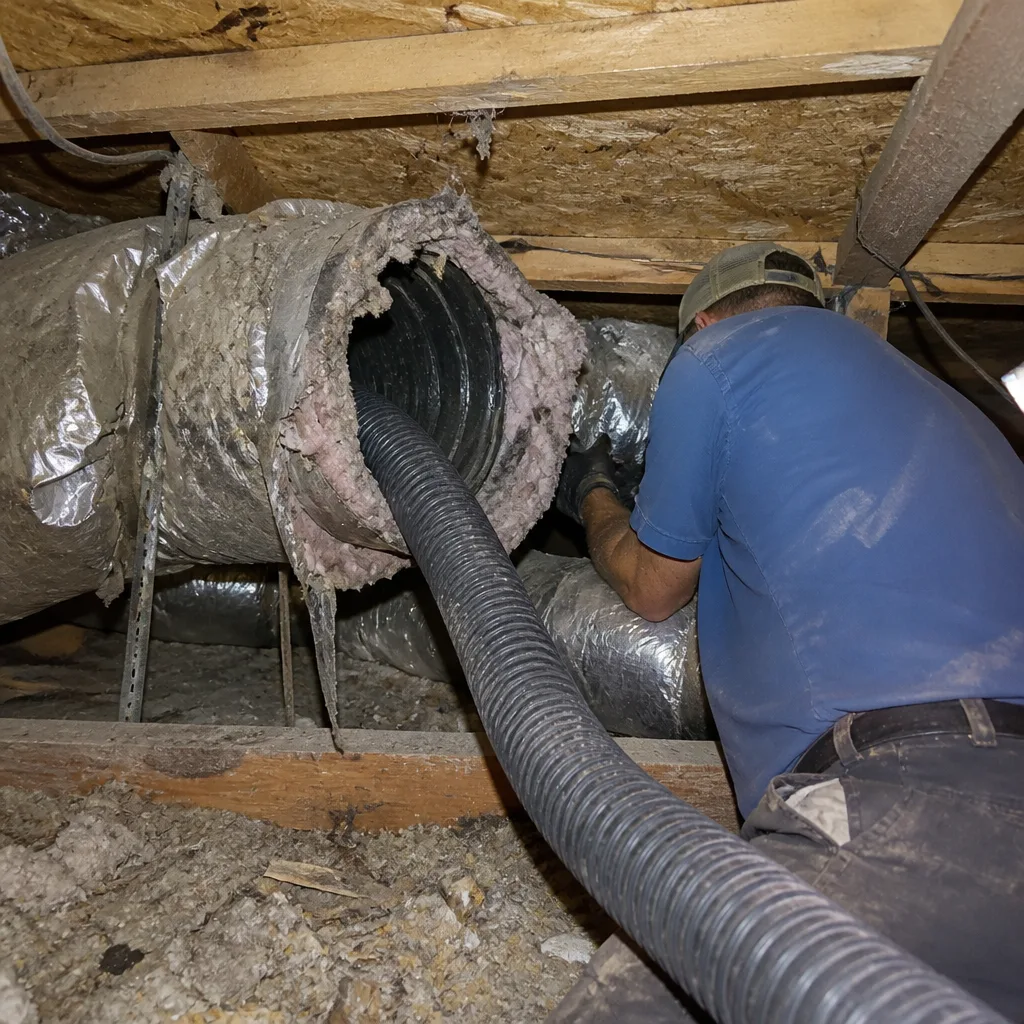 Before
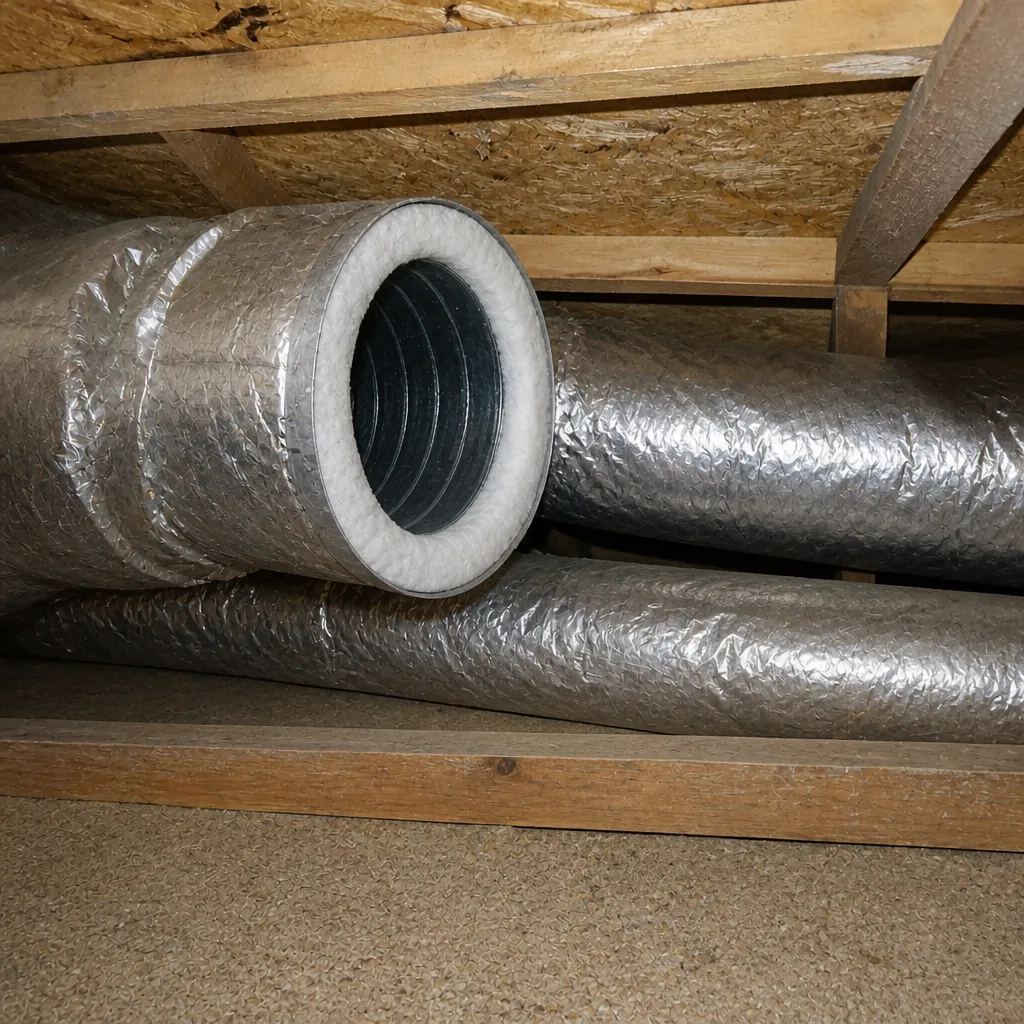 After
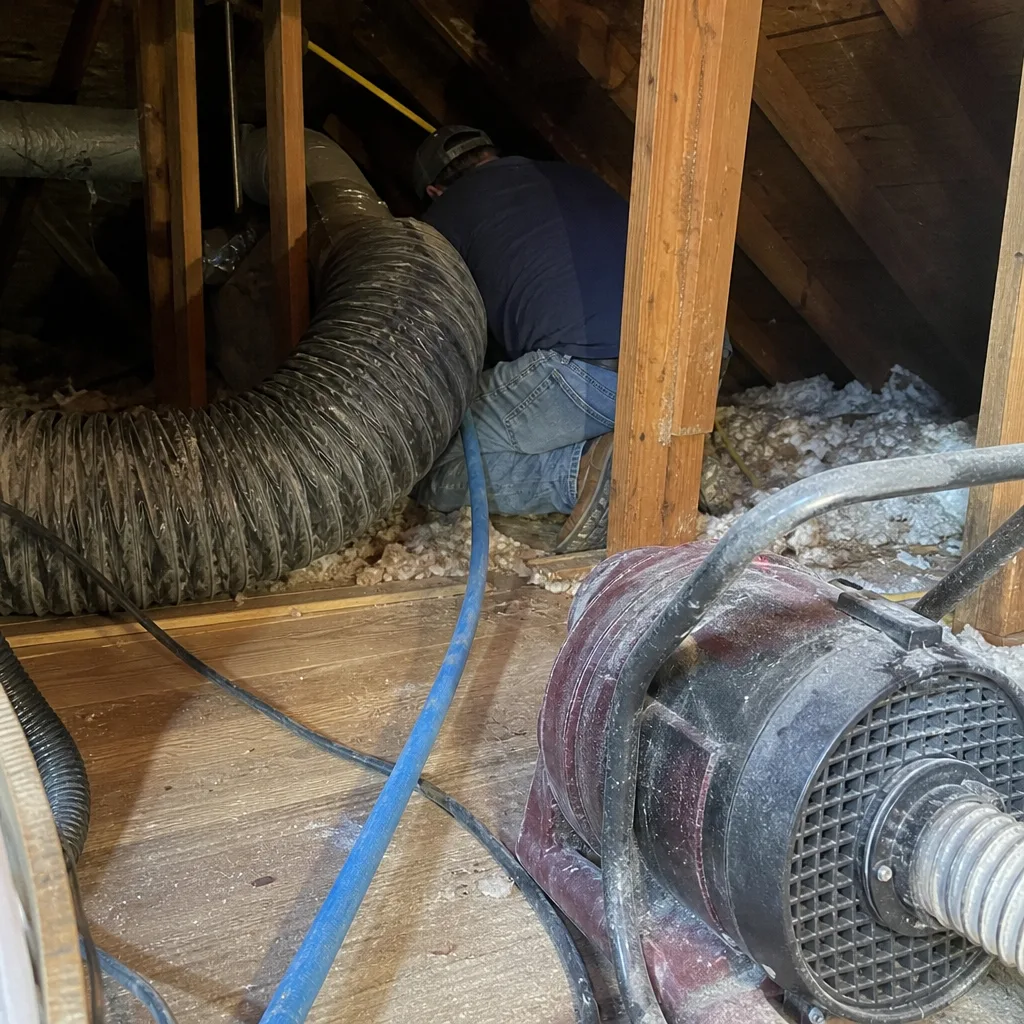 Before
 After
 Before
 After
When to Call a Professional
Duct cleaning needs professional evaluation when there’s a persistent musty odor that doesn’t clear after normal cleaning, visible dust in the register airstream right after cleaning, or a significant renovation that produced heavy drywall debris in the system. If anyone in the household is having recurring respiratory irritation tied to running the HVAC, the system is worth inspecting. Visible microbial growth inside the duct interior or evidence of moisture intrusion should bring a professional in rather than prompting a homeowner to treat it. And if the dryer takes longer than it used to or the exhaust feels weak, that’s a dryer vent issue – a fire-safety conversation, not an inconvenience. Air Duct Cleaning Irving Park offers free estimates in Irving Park – call (855) 606-6578. We answer 24/7. Fast dispatch from 7am to 7pm, Sunday through Friday.
Frequently Asked Questions
A standard whole-house cleaning in Irving Park typically runs $300 to $500, a mid-tier job with coil and component work lands around $500 to $800, and full-spectrum work with sealing and sanitizing reaches $900 to $1,500 or more. The final price is set by the written estimate after inspection, not by the phone quote. Call (855) 606-6578 for a free estimate.
Cheap quotes are almost always cheaper because they cover less: they skip the coil and components, contain less, use lighter equipment, or reserve the real invoice for the add-ons after arrival. The $99 whole-house offer is a well-known structure, and the technician’s margin usually comes from sanitizing and treatment upgrades once inside. Ask what equipment is coming and what scope is covered in writing before comparing numbers.
Most Irving Park homes fall into a three-to-five-year window for a standard cleaning, with the interval shortening if there’s pet dander, recent renovation, a smoker in the home, or a system that’s been running with a poorly maintained filter. Homes with allergy-sensitive occupants or persistent dust complaints often benefit from a closer inspection interval. The right frequency depends on the system and the household, not on a fixed rule.
Ask for before-and-after photographs of your system and a written condition report at the end of the visit. A legitimate contractor documents the work. If a technician can’t or won’t show you photos of the duct interior and the coil, you don’t yet have proof the work was performed, and that’s a conversation to have before the job starts, not after.
Rarely. Per-vent pricing rewards the contractor for finding more registers and doesn’t account for the differences in contamination between vents, so the dirtiest ones often get the same attention as the cleanest. A flat price per system, agreed in writing after inspection, is the format that aligns the contractor’s interest with the homeowner’s. If a per-vent quote is the only offer on the table, ask for the flat price per system as an alternative.
It can, though it’s one factor among several. Removing accumulated dust, debris, and microbial growth from the ducts reduces the particles the system recirculates, and that generally helps when coupled with proper filtration. We can’t promise a specific allergy outcome for any individual, and any contractor who does should be treated with skepticism. The honest benefit is cleaner air in the system, not a medical claim. Call (855) 606-6578 to schedule an inspection. We answer 24/7. Fast dispatch from 7am to 7pm, Sunday through Friday.
The Bottom Line
Duct cleaning pricing in Irving Park isn’t a mystery once you see the structure. The $99 offer is a marketing number; the real price is built from system size, accessibility, contamination, and equipment tier, and it settles on a flat rate per system after inspection. Standard cleaning lands at $300 to $500, mid-tier work with components at $500 to $800, and full-spectrum engagements with sealing and sanitizing at $900 to $1,500 or more. The homeowner’s protection isn’t a better price – it’s a better quote. Flat pricing, written scope, named equipment, and before-and-after documentation. Those four things separate a real estimate from a sales call, and they’re what make the difference between clean ducts and a clean invoice.
If you want a written estimate from a shop that runs professional-grade Rotobrush and Nikro equipment and can cover air duct cleaning, component cleaning, sealing, and sanitizing in one visit, we’re ready to schedule. Call (855) 606-6578. We answer 24/7. Fast dispatch from 7am to 7pm, Sunday through Friday.
Our technicians have up to 9 years of experience, and we work with Air Duct Cleaning Irving Park customers to put the flat price per system in writing before any work starts.
Written by the team at Air Duct Cleaning Irving Park.