
Last updated November 24, 2026
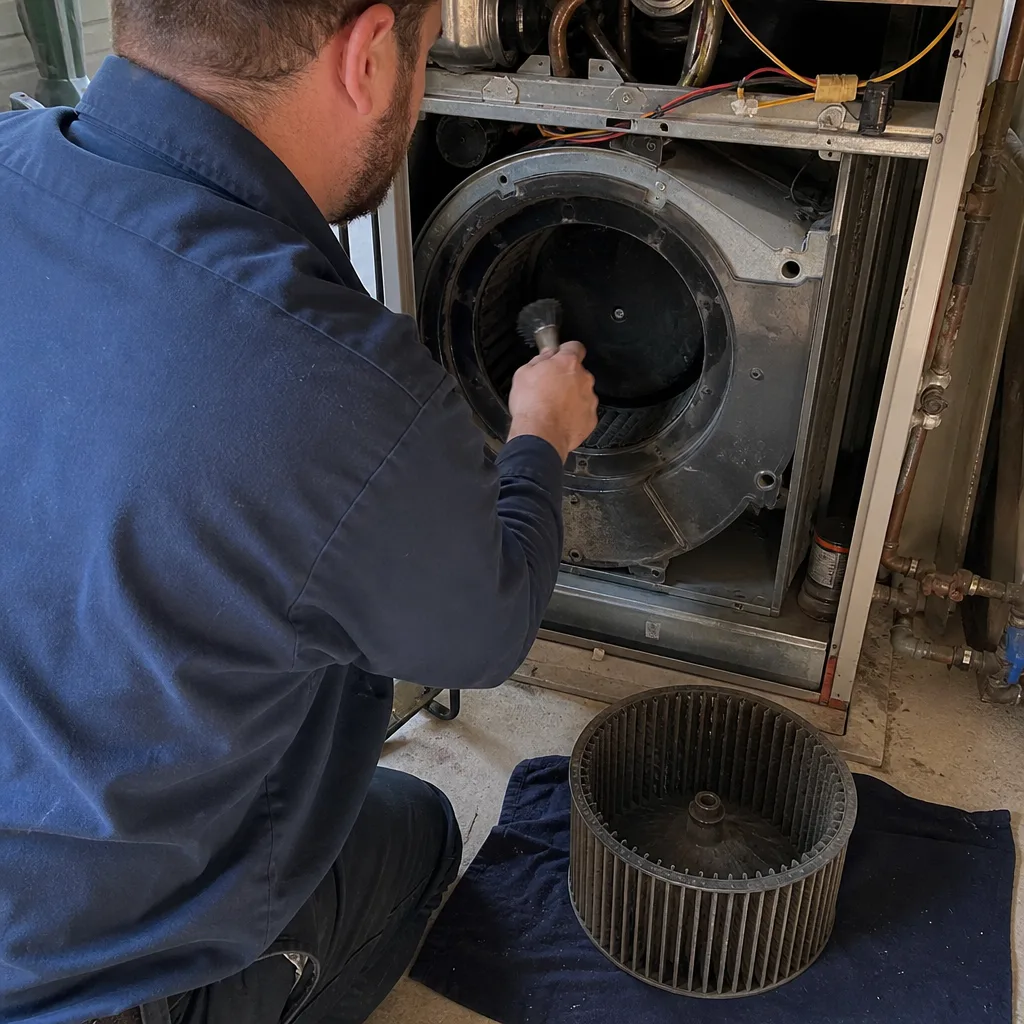
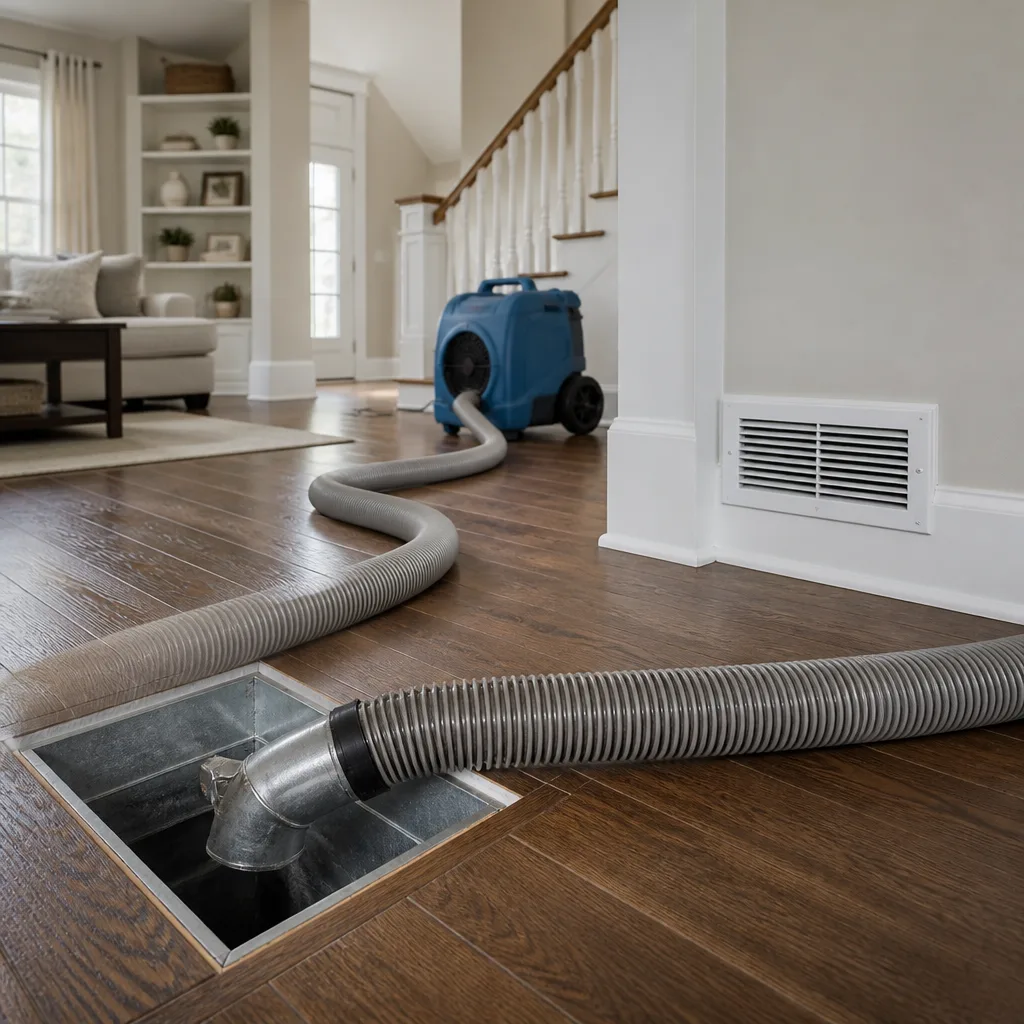 Whole-home duct cleaning
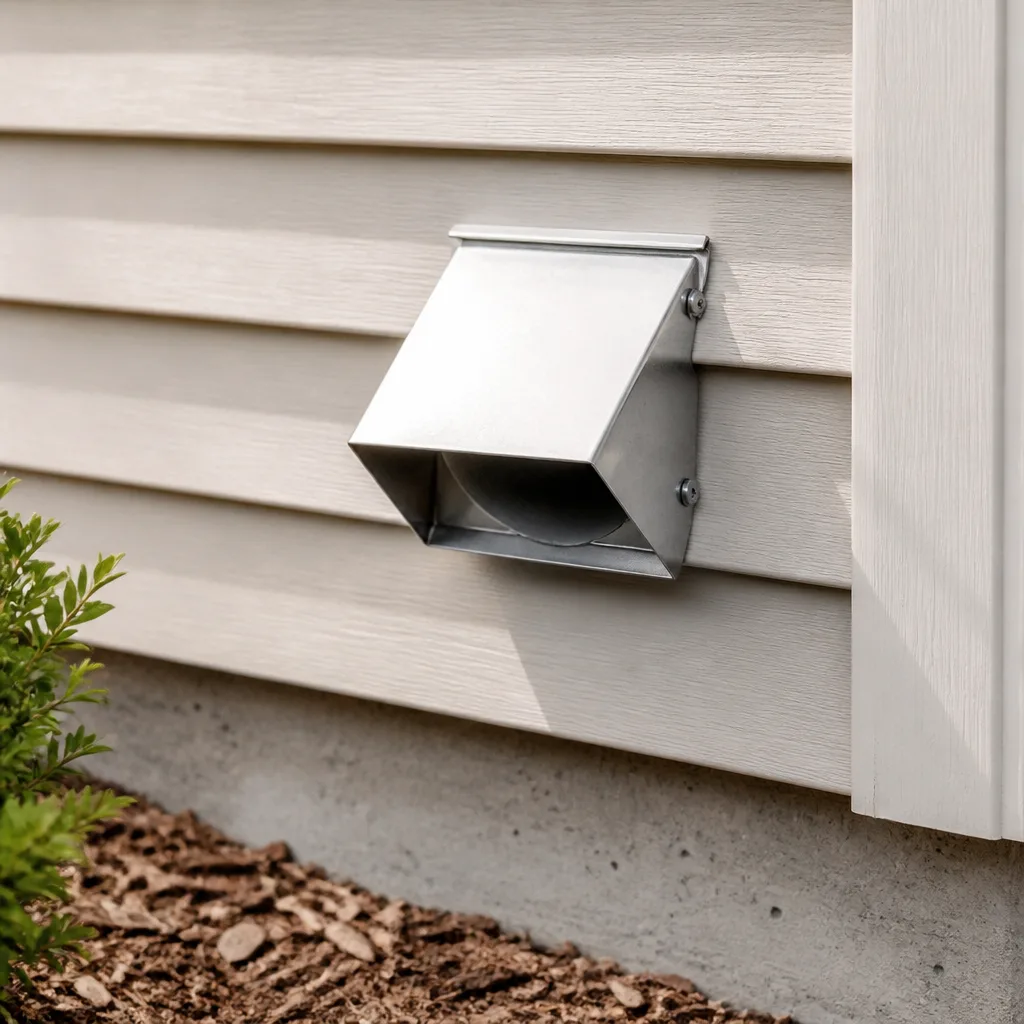 Dryer vent cleaning
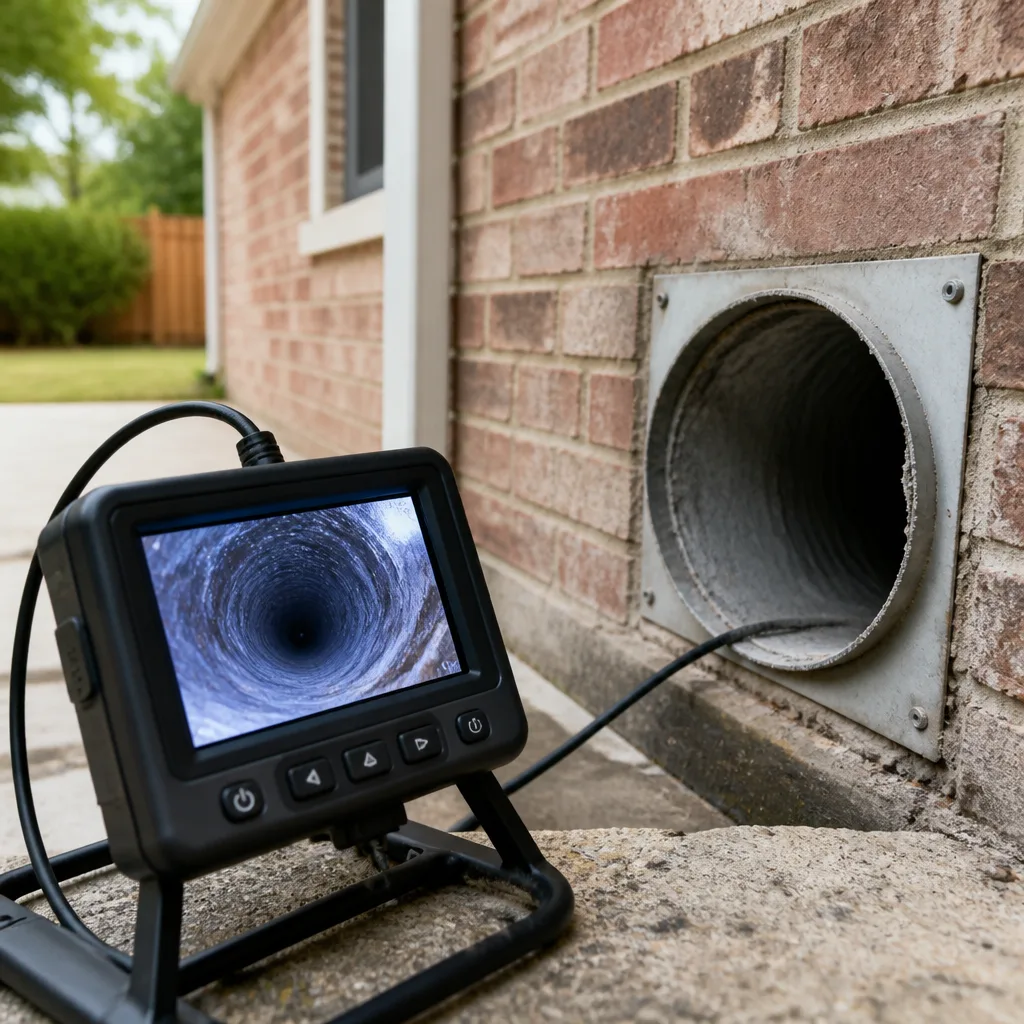 Camera inspection
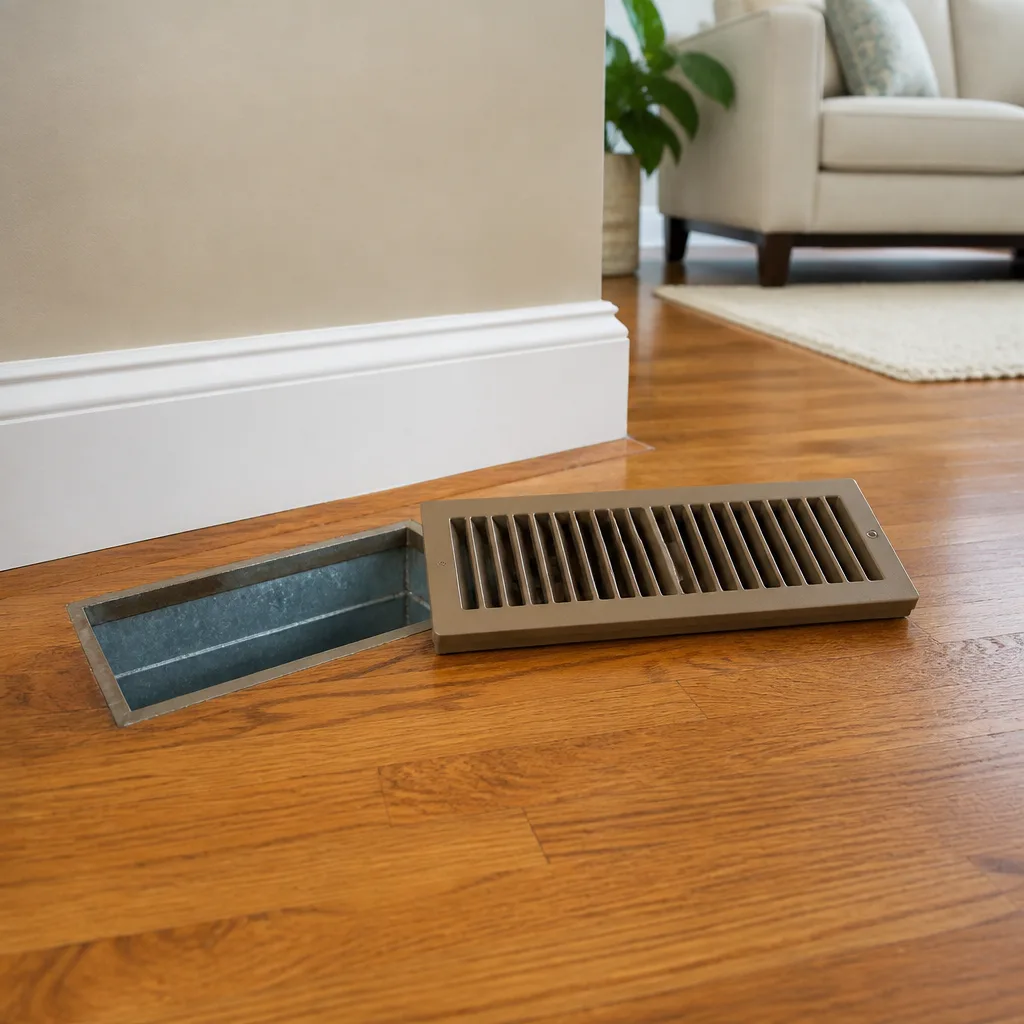 Sanitizing & deodorizing
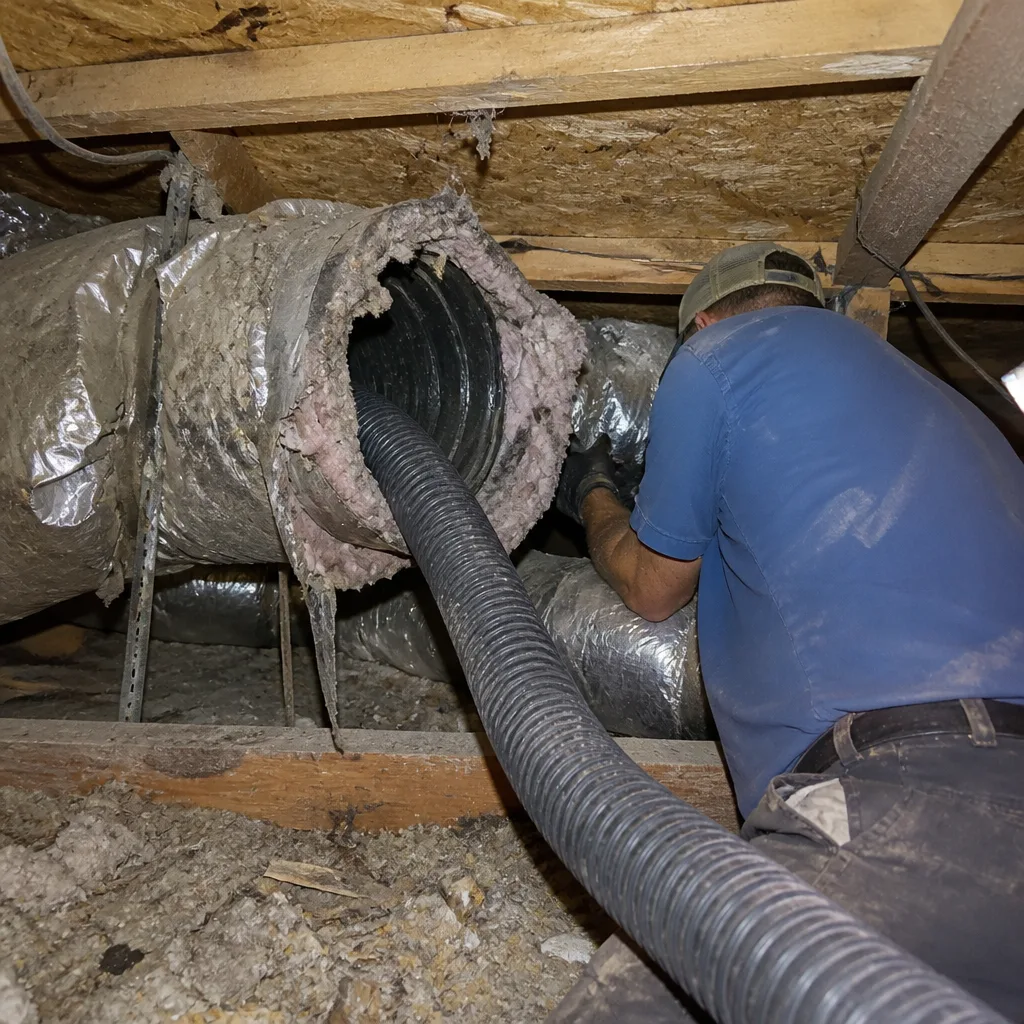
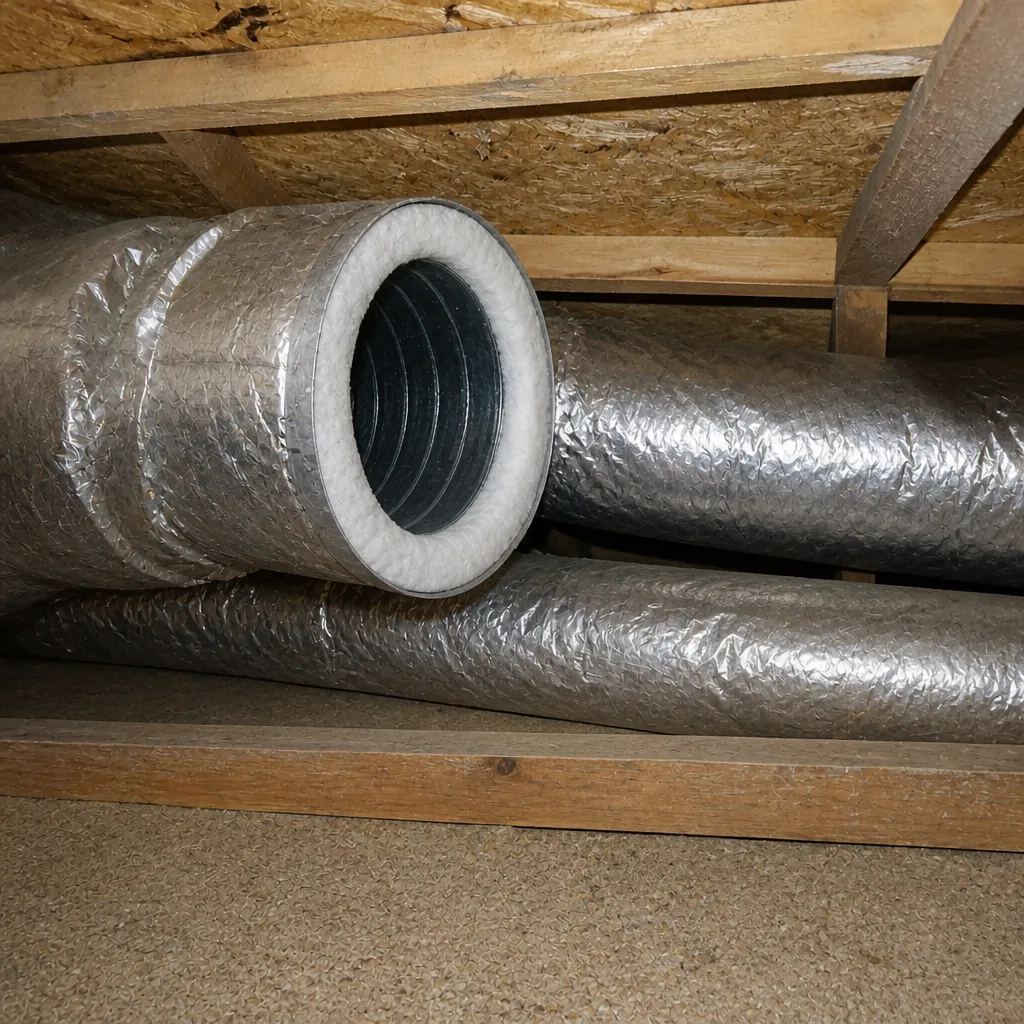
Whole-system duct and dryer vent check with before-and-after photos - you see exactly what came out of your vents
That "$99 whole-house special" is a bait ad - the real number appears once they are in your hallway, or the "clean" is a shop-vac at the register. We photograph the inside of your ducts before and after instead.
Seasonal Air Duct Cleaning Care for Irving Park: Year-Round Homeowner’s Guide
Most duct cleaning advice says the same thing: clean once a year and forget about it. In Irving Park, that advice doesn’t hold. Spring here arrives with a heavy oak pollen load that can pack a return filter past capacity in under three weeks, so a filter schedule you set in January is already wrong by April. Summer brings sticky humidity that condenses inside poorly insulated flex duct. Fall drops leaf debris and outdoor dust into any return that isn’t sealed tight. Then winter heating cycles lift whatever settled in the off-season and push it through every room. This guide maps each of those seasonal threats to your duct system and shows you what to actually do about them, month by month, in Irving Park.
Quick Answer
Seasonal duct care in Irving Park means matching your maintenance to the local contamination cycle instead of the calendar: check and change filters aggressively in spring pollen season, watch for humidity-driven condensation in summer, inspect and seal before fall startup, and book a professional cleaning after the heating season ends, when the system has finished pushing a winter’s worth of debris through the ducts. A single annual cleaning on an arbitrary date misses most of that cycle.
Styles & brands we work with
- Whole-home duct cleaning
- Dryer vent cleaning
- Camera inspection
- Sanitizing & deodorizing
Table of Contents
- Why Irving Park’s Duct Systems Follow a Seasonal Cycle
- Spring in Irving Park: Pollen Is Not Just a Filter Problem
- Summer Humidity and What It Does Inside Your Ducts
- Fall Startup: The Pre-Heat Inspection Most Homeowners Skip
- Winter Heating Cycles and the Debris They Disturb
- How to Time Professional Cleaning for Maximum Value
- The Full Air Pathway: What a Real Seasonal Service Covers
- A Simple Seasonal Maintenance Checklist
Why Irving Park’s Duct Systems Follow a Seasonal Cycle
Ductwork doesn’t get dirty at a steady rate. It gets dirty in bursts, and those bursts line up with the seasons in this part of North Carolina. The system pulls outside air into the return, sends it across a filter, over a heat exchanger and coil, and back into the rooms. Every stage of that pathway collects something different depending on what the outside air is carrying and how hard the system is working.
Spring loads the return side with fine particulate. Summer loads the cooling coil and any under-insulated flex runs with moisture. Fall loads the outdoor-facing components with leaf litter and grit. Winter cycles all of it through the supply side because the blower runs more hours. That pattern is a function of climate, not brand or build quality.
What makes Irving Park distinctive is the compression of that cycle. Pollen season here is short and intense. The humid stretch is long enough to keep coils wet for weeks rather than days. A system that runs hard through both gets more contaminant exposure in a single year than a system in a milder climate would across two or three.
The practical takeaway: clean at the point where contamination peaks, not at a convenient date. That usually means late spring or early summer for the cooling side, and after the heating season for the full system. If your energy bills are drifting up and the house feels dustier than usual, it’s worth a professional air duct cleaning assessment in Irving Park before you guess at a schedule.
Spring in Irving Park: Pollen Is Not Just a Filter Problem
Oak pollen in Irving Park is fine enough to pass straight through a standard 1-inch filter when the filter is loaded, and it doesn’t stay put once it’s past the return. It coats the heat exchanger fins, the evaporator coil face, and the interior walls of the return plenum. A filter change removes what’s caught at the filter. It does nothing for what already got through.
That’s why the first warm weeks of the year are when we see the most filter complaints. Homeowners swap the filter, the house still feels dusty, and the assumption is that the filter isn’t working. Usually the filter is fine. The return path and coil are carrying a season’s worth of particulate.
Here’s what to do in this phase:
- Check the filter every two to three weeks from early spring until pollen drops off, not every three months. A filter that looks clean at the edge can be loaded at the center.
- Upgrade to a pleated filter with a higher MERV rating during pollen season. This is where familiarity with brands like Honeywell and Aprilaire pays off, because those filter cabinets are designed to fit specific media sizes and you want a filter that actually seats in the frame.
- Look at the return grille for visible dust streaks. Streaking at the grille is a signal that the return is pulling particulate past the filter seal.
- Book a return-side cleaning if you’ve been through two or more pollen seasons without one.
If the return plenum is coated, a filter change won’t fix it. That’s a mechanical cleaning job. The same consideration applies when you’re scheduling air duct cleaning for the whole house, since a thorough cleaning addresses the return path and coil face, not just the visible supply vents.
Summer Humidity and What It Does Inside Your Ducts
Irving Park summers run humid enough that the air conditioning system stays wet for most of its run time. That’s normal at the coil, where condensation is how the system removes moisture from the air. It’s not normal inside the ductwork, and that’s where poorly insulated flex runs become a problem.
A flex duct in an unconditioned attic or crawlspace with a compromised vapor barrier will condense on its interior surface when cool supply air meets warm humid attic air. That condensation is the starting condition for microbial growth. Once moisture is present, dust and organic particulate that accumulated earlier in the season are now sitting on a wet surface.
What to watch for:
- Musty or damp odors when the system first kicks on, especially in the morning. That’s the smell of a wet coil or wet duct interior being dried out by airflow.
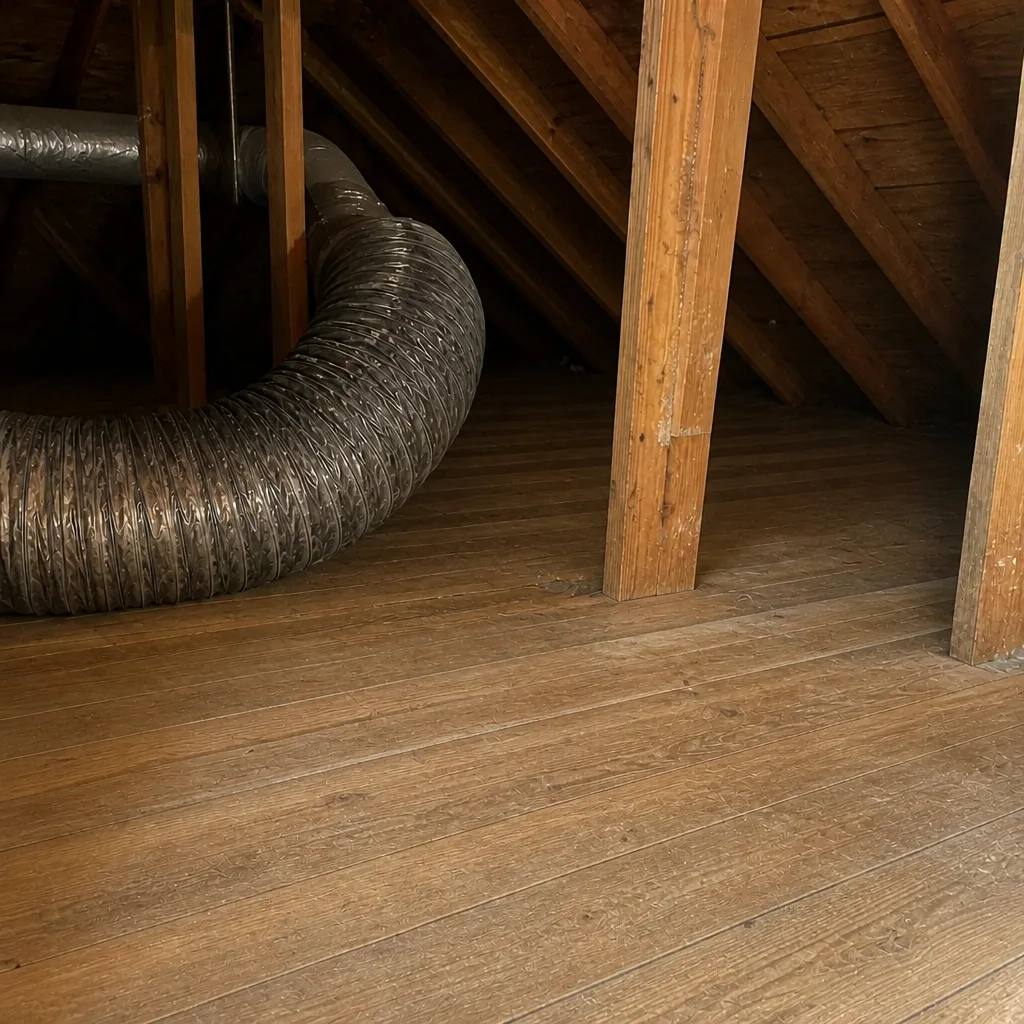
- Sagging or crushed flex runs in the attic. A crushed run doesn’t move air efficiently and tends to stay damp because it doesn’t dry out.
- Condensation stains on the outer jacket of any flex duct you can see.
- Rising indoor humidity even when the system is running. That can point to a coil that’s not fully shedding condensation.
Summer is also the best time for sanitizing work, because the microbial load peaks then. Abatement Technologies and Guardsman products are the ones technicians use in this situation, and they’re the same brands used in remediation and commercial air quality work. That matters because a residential job with a real microbial problem needs a sanitizer that’s rated for the application, not a generic spray.
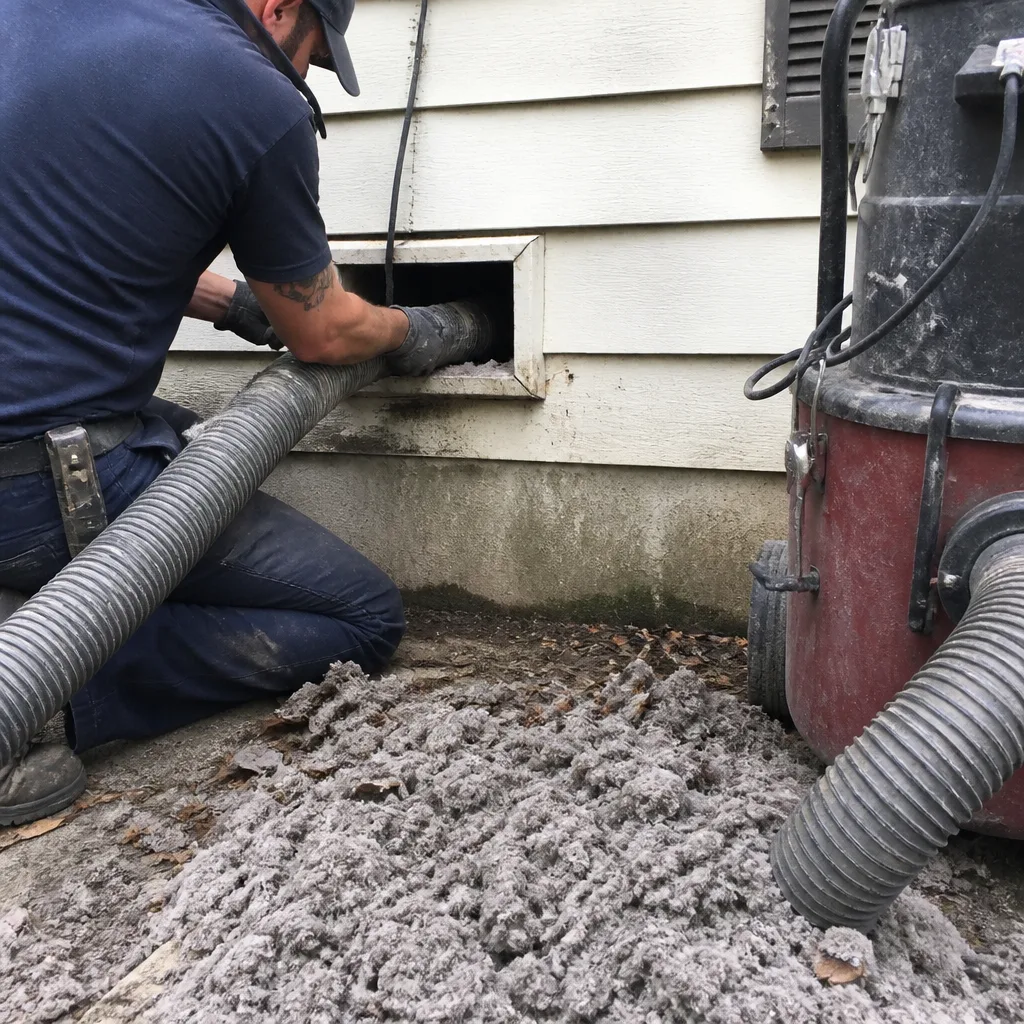
The other summer issue is dryer vent load. Humid air and heavy dryer use go together, and lint stays damp and clings inside the vent line. That’s a fire-safety concern, and it’s why dryer vent cleaning belongs on the summer list, not just the duct cleaning schedule.
Fall Startup: The Pre-Heat Inspection Most Homeowners Skip
Most homeowners run the air conditioning until the first cool week, then flip the thermostat to heat and don’t look back. That transition is exactly when a system that’s been sitting in a mixed state should be inspected. The heat exchanger, the burners, and the blower compartment have all been in cooling mode for months, collecting dust on surfaces that will now get hot.
A pre-heat inspection is not a full HVAC service. It’s a focused look at the parts that matter before heat season starts:
- Inspect the heat exchanger for dust buildup on the fins. Dust on hot surfaces bakes on and becomes harder to remove later.
- Check the blower compartment for debris that could be pulled into the airstream once the system runs continuous heat cycles.
- Look at the outdoor unit and any intake paths for leaf litter and grit that fall storms pushed in.
- Seal any duct joints or seams that opened up over the summer. Duct repair and sealing isn’t just an efficiency item – a leaking return pulls attic air, pollen, and pest debris directly into the system.
- Replace the filter before first heat. Fall filters load differently than spring filters because the particulate is coarser and heavier.
We seal what we clean, and that’s the reason this step belongs in the fall ritual. Cleaning a duct and then leaving a leaking seam is a partial job. The seam will pull the same outdoor debris back in within a season. A proper HVAC cleaning during fall startup addresses the unit components and the duct joints in the same visit, so you enter the heating season with a closed system.
Homeowners in older Irving Park housing stock should pay particular attention to this step. Original ductwork in some of the neighborhood’s older homes was built with materials and joints that don’t seal as well as modern systems, and fall is when those gaps become visible.
Winter Heating Cycles and the Debris They Disturb
Winter is not when ducts get dirty. It’s when the dirt that’s already there gets airborne. Heating cycles run the blower longer and at a higher static pressure than cooling does, and that airflow lifts settled debris from the bottom of horizontal runs and pushes it through the supply grilles into the living space.
If your windowsills are dustier in January than they were in October, and the house hasn’t gained a new dust source, the likely explanation is that settled material was already in the duct and is now being redistributed. That’s a normal consequence of heating season, not a sign of failure. But it’s the reason a post-heating-season cleaning makes more sense than a mid-winter one.
What to do during the heating season itself:
- Keep filters changed on the spring cadence, not the once-a-year plan. Heat makes the blower work harder, and the return loads faster than people expect.
- Watch for new dust patterns at the supply grilles. Dark streaks around the edges of a supply register usually mean a leak at the boot joint, not a duct full of dust.
- Note any rooms that feel dustier than the rest of the house. A single-room dust problem is often an unsealed boot or a crushed run, not a whole-system issue.
- Don’t schedule the deep cleaning until the heating season ends. Cleaning a system that will then push another two months of dust through it wastes part of the cleaning budget.
This is the phase when a full-pathway scope earns its keep. Repairing a supply boot and sealing a joint is exactly the kind of work that removes the source of a single-room dust complaint. One call covers it all – repair, sealing, and cleaning in a single engagement – instead of having to book a second trade for the sealing afterward.
How to Time Professional Cleaning for Maximum Value
Timing matters more than most people think. The same cleaning done in the wrong month is worth less than the same cleaning done the right month, because what matters is how much contamination has accumulated and how long it will stay gone.
Here’s a rough cycle for a typical Irving Park home:
- Post-heating-season cleaning (March through May): The system has just finished pushing a full winter’s worth of settled debris through the ducts, and the return path and coil face are at their annual peak. Cleaning at the end of heat season removes the accumulated load before pollen season adds to it.
- Post-pollen cleaning (late May through June): If you only clean once a year, this is the best single slot. Pollen load has peaked, and the system is about to start cooling season. Cleaning the coil face just before cooling season gets the best efficiency gain because the system will hold that gain through the hottest part of the year.
- Pre-heat inspection (September through October): Not a deep cleaning in most cases, but the right time to inspect, seal, and repair before heating season. Sealing a leak before heat season prevents a whole winter of attic air infiltration.
- Mid-winter: Rarely worth it unless there’s a specific problem – musty odor, visible microbial growth, or a major contamination event. You’ll be cleaning again in spring anyway.
What that cycle implies for an Irving Park homeowner: one full cleaning in the spring, a pre-heat inspection in the fall, and filter changes on the actual pollen schedule rather than a generic calendar reminder. Two touchpoints per year, timed to the season, gets more value than two cleanings scheduled by date.
The Full Air Pathway: What a Real Seasonal Service Covers
A complete seasonal service addresses the entire air pathway, not just the visible vents. Most cleaning operations stop at the supply and return grilles and call it done. The pathway continues past those grilles and includes components that collect contamination differently.
What a proper service covers:
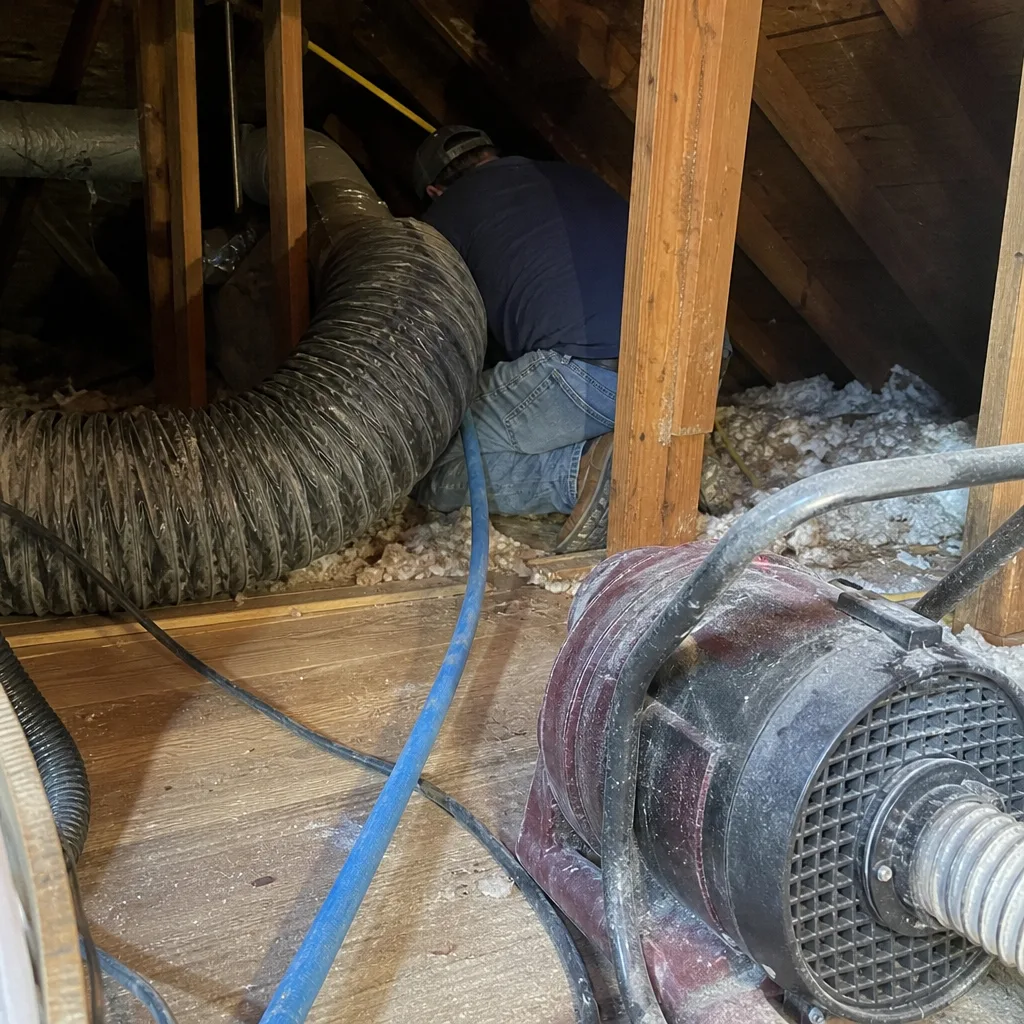
- Supply and return ducts: Mechanical cleaning with a professional-grade system. We use Rotobrush and Nikro, which are the systems used by serious duct cleaning contractors rather than consumer vacuums passed off as professional tools. Combined with containment equipment, the debris is extracted rather than just loosened.
- HVAC unit components: Coil face, heat exchanger fins, blower compartment, and the drain pan. Seasonal contamination here is the biggest driver of efficiency loss.
- Duct repair and sealing: Any leaking joints, unsealed boots, or crushed runs. Sealing is what makes the cleaning last.
- Dryer vent: Separate from the duct system, but part of the same seasonal service window and a genuine safety item.
- Sanitizing: Abatement Technologies and Guardsman products where microbial load is present, particularly after humid summers.
- Filtration and air treatment assessment: Whether the filter cabinet is correctly sized, whether the media fits properly, and whether a higher-MERV media or an added filtration stage makes sense. Familiarity with Honeywell and Aprilaire systems is what makes this assessment useful rather than generic.
The point of the full-pathway approach is that cleaning, repair, and air quality treatment are all on one scope. If the return path is dirty and the joint is leaking, cleaning without sealing is a temporary fix. Cleaning, sealing, and sanitizing in sequence is a permanent one.
A Simple Seasonal Maintenance Checklist
Here’s the working version, condensed into a checklist you can actually use. This is the short form of everything above, sorted by when you’ll need it.
- Early spring: Begin the filter check every two to three weeks. Note any grille streaking or visible return-side dust.
- March through May: Book the post-heating-season cleaning. Do this before pollen season peaks, not after.
- Late spring: Upgrade filtration for the pollen peak. Check the filter cabinet for fit and seating. Consider a higher-MERV media if the cabinet supports it.
- June: Book the coil-face cleaning if you skipped the spring slot. This is the second-best time to clean before cooling season.
- Summer: Inspect flex ducts in the attic for condensation and crushing. Book sanitizing if musty odors are present. Clean the dryer vent.
- September through October: Pre-heat inspection. Check heat exchanger, blower, and duct joints. Seal any open seams. Replace filters before first heat.
- Winter: Keep filters changed on the spring cadence. Note dust patterns and single-room problems for the spring cleaning scope.
The checklist matters less than the principle behind it: match the action to the season and to the actual contamination cycle. Our technicians have up to 9 years of experience working this cycle in North Carolina homes, and the pattern holds across most of Irving Park.
Common Mistakes to Avoid
- Setting a filter schedule in January and never revisiting it. A schedule based on winter conditions is six to eight weeks behind by the time oak pollen peaks. Recalibrate the schedule each spring and again at fall startup.
- Treating pollen as a filter-only problem. A new filter doesn’t remove particulate that’s already past the return. If the coil fins and return plenum are coated, a filter change does nothing for them.
- Skipping the fall pre-heat inspection. Going straight from cooling to heat without checking the heat exchanger and blower is how a leak or a heavy dust load gets baked into the unit before anyone notices.
- Cleaning ducts without sealing leaks. A cleaning followed by an unsealed joint pulls the same outdoor debris back in by the next season. Sealing is what makes the cleaning hold.
- Scheduling cleaning in mid-winter instead of after the heating season. In Irving Park, cleaning in January means the system pushes another two months of dust through the ducts before spring. The cleaning budget goes further if you wait until heat season ends.
- Ignoring a single-room dust complaint as “just the house.” One dusty room is usually an unsealed boot or a crushed run, not a whole-system issue. That’s a repair item, not a cleaning item.
- Skipping the dryer vent in the summer window. Humid summer air plus heavy dryer use loads lint faster than any other season. It’s a fire-safety item and a separate schedule from the duct cleaning.
See the difference
 Before
 After
 Before
 After
 Before
 After
When to Call a Professional
Some seasonal maintenance is a homeowner job: filter changes, visual inspection of grilles, checking flex runs in the attic. Other items need a professional because the equipment, containment, or repair scope is beyond what a homeowner can do properly. Call a professional if you’ve noticed musty odors on system startup, if windowsill dust increases sharply after the heating season starts, if a single room is consistently dustier than the rest of the house, if you can see visible microbial growth inside a duct or on a coil, if you haven’t had a cleaning in more than two years, or if you’re entering fall startup with an unsealed joint you haven’t addressed. Air Duct Cleaning Irving Park offers free estimates in Irving Park. Call (855) 606-6578 to schedule one. We answer 24/7. Fast dispatch from 7am to 7pm, Sunday through Friday.
Frequently Asked Questions
In Irving Park, most homes do best with a full professional cleaning once a year timed to the spring, plus a lighter pre-heat inspection in the fall. The once-a-year answer that works in a milder climate is too slow here because pollen season, humidity load, and heating season all stack into the same year. If you have pets, allergies, or older ductwork, consider a second light cleaning after pollen season.
Yes. Oak pollen here is fine enough to bypass a loaded 1-inch filter and coat the heat exchanger fins and coil face. A filter change only removes what was caught at the filter. The return path and coil need mechanical cleaning to remove what got through. If your house still feels dusty after a filter change in April, the filter isn’t the issue.
Yes, in poorly insulated or compromised flex ducts. When cool supply air meets warm humid attic air, condensation forms on the interior surface, and that moisture becomes the starting condition for microbial growth. Sagging and crushed flex runs are the most common failure point. Sanitizing with Abatement Technologies or Guardsman products is the right step in that case, and it’s worth scheduling during the humid season rather than after it.
Late April through early June is the best single slot for a full cleaning, timed to the end of heating season and just before pollen peaks and cooling season begins. If you can only fit a second appointment in the year, September or early October for a pre-heat inspection is the highest-value follow-up. Cleaning in December or January is usually wasteful because the system will push another season of debris through before you clean again.
No. Filter changes and duct cleaning address different parts of the pathway. Filters catch what reaches them. Ducts and coil faces collect what passes the filter, and no filter schedule removes accumulated material from the duct interior. The two go together – a filter schedule keeps the duct clean longer, and cleaning removes what the filter couldn’t catch.
If the system has leaking joints, unsealed boots, or crushed runs, cleaning alone won’t hold. A leaking return pulls outdoor air and attic debris back into the system, so the duct gets dirty again quickly. Duct repair and sealing on top of cleaning is what actually extends the interval between cleanings. In our experience, most Irving Park homes that need cleaning more than once a year have an unaddressed sealing problem.
The Bottom Line
Irving Park duct systems follow a specific seasonal contamination cycle that a single annual cleaning on an arbitrary calendar date doesn’t serve. Spring pollen loads the return and coil past what a 1-inch filter can absorb. Summer humidity condensates inside poorly insulated flex runs. Fall startup is the ideal moment to inspect, seal, and repair. Winter heating cycles push the accumulated debris into the rooms. To get the most from your duct maintenance, clean after the heating season, inspect and seal before it starts, and check filters on the pollen schedule rather than a fixed calendar. One call can cover the full pathway – cleaning, repair, sealing, sanitizing, dryer vent – and it’s the easiest way to stay ahead of the cycle instead of chasing it.
If you want a professional assessment of where your Irving Park home sits in that cycle, call (855) 606-6578 for a free estimate. We answer 24/7. Fast dispatch from 7am to 7pm, Sunday through Friday.
Written by the team at Air Duct Cleaning Irving Park.