
Last updated November 24, 2026
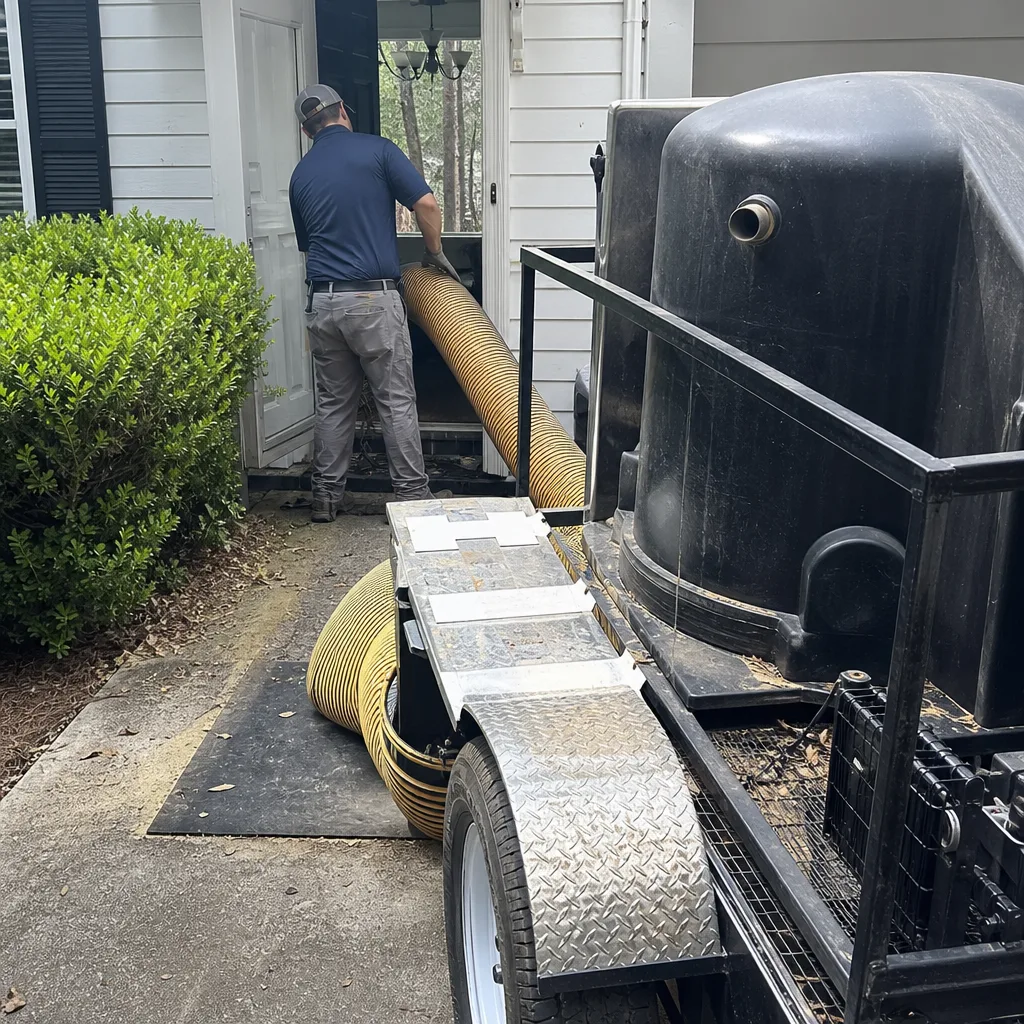
 Whole-home duct cleaning
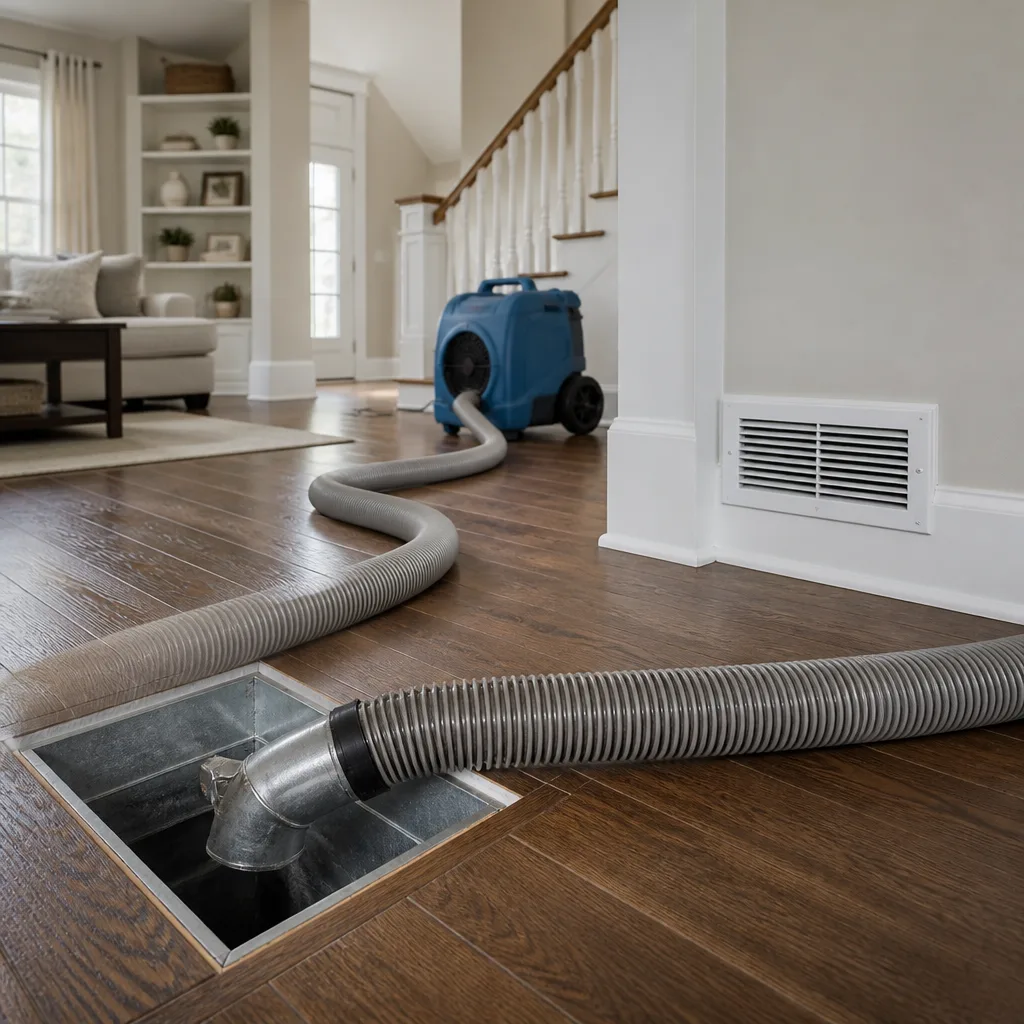
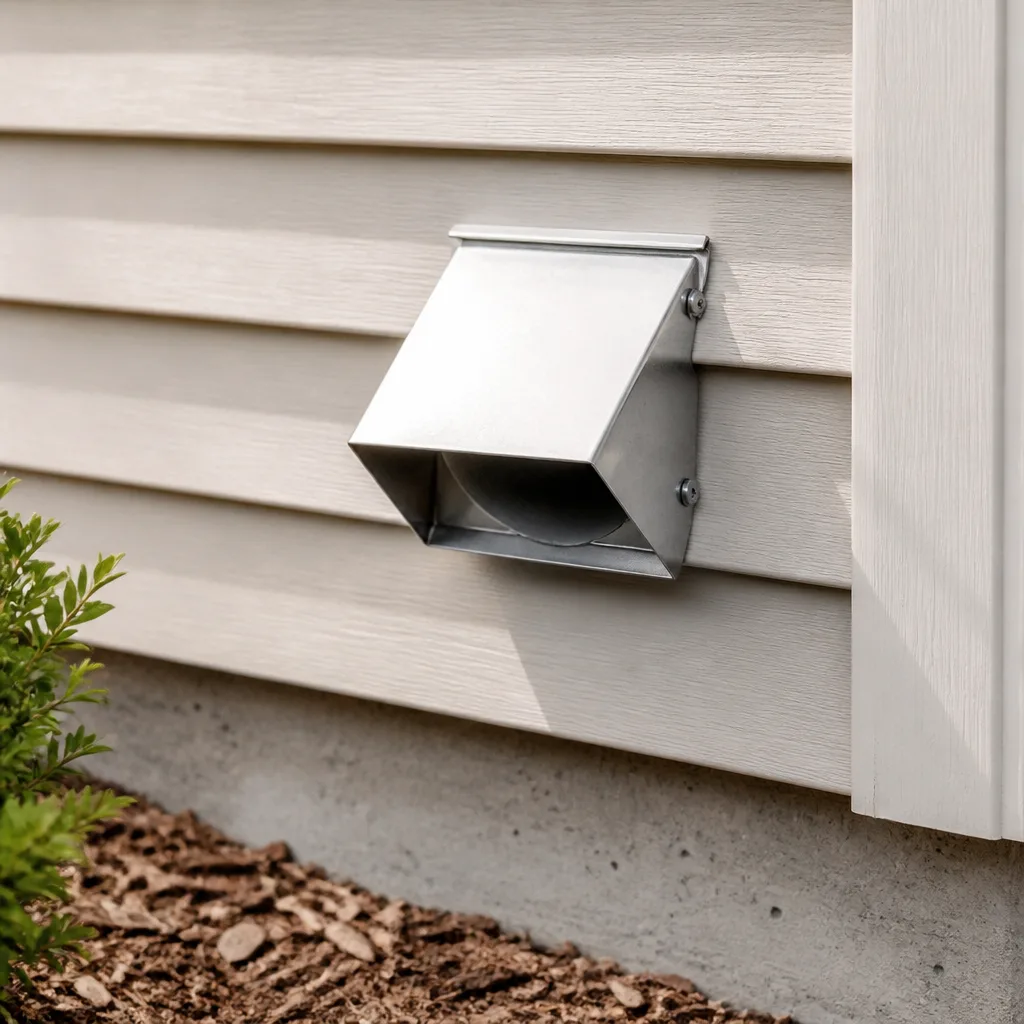 Dryer vent cleaning
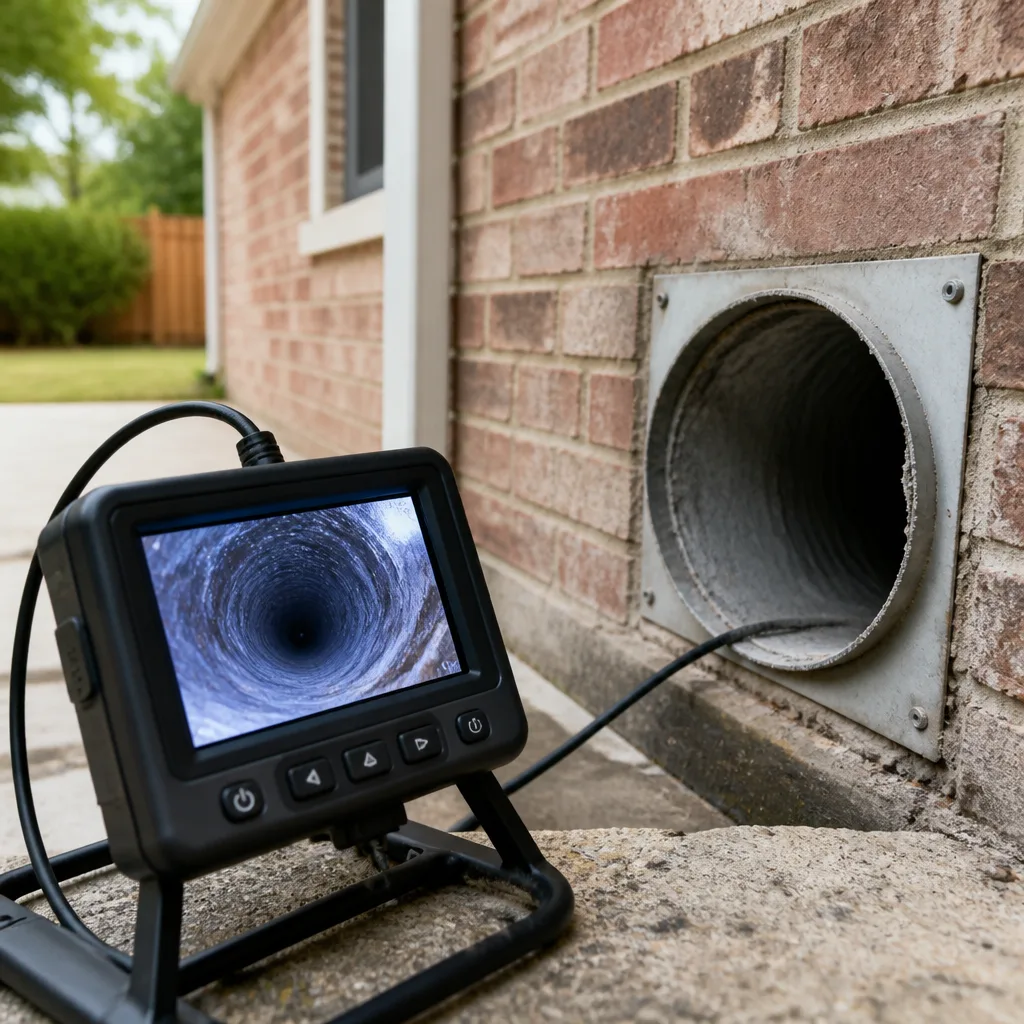 Camera inspection
 Sanitizing & deodorizing
Whole-system duct and dryer vent check with before-and-after photos - you see exactly what came out of your vents
That "$99 whole-house special" is a bait ad - the real number appears once they are in your hallway, or the "clean" is a shop-vac at the register. We photograph the inside of your ducts before and after instead.
How to Hire an Air Duct Cleaning Contractor in Irving Park: A Step-by-Step Guide
The duct cleaning trade has no universal licensing requirement in North Carolina. That means the guy with a $200 shop-vac and a technician running certified NADCA gear can both legally print “professional air duct cleaning” on a business card. Nothing stops either one from showing up at your door. What separates them isn’t price, and it isn’t the star rating on their listing. It’s equipment specs, written process, and whether anyone bothers to inspect your system before quoting it. This guide walks you through the questions that actually matter, so you can vet a contractor on substance instead of sales polish. We’ll cover the five questions to ask before anyone touches your system, what real certification looks like, the red flags specific to low-bid operations, and how to structure a contract that protects your ductwork. If you live in Irving Park, you’re working with the same housing stock and the same humid summers as the rest of the neighborhood, and that context shapes what a good contractor should tell you.
Quick Answer
To hire an air duct cleaning contractor in Irving Park, verify certification, ask what vacuum collection equipment they use and at what CFM rating, require a written scope of work before any work begins, and confirm they carry liability coverage for duct damage. A legitimate contractor will inspect your system before quoting, document the work before and after, and put the scope in writing. Anyone who quotes a final price over the phone without seeing your system, or pressures you into add-on services on the spot, isn’t the contractor you want handling your air pathway.
Styles & brands we work with
- Whole-home duct cleaning
- Dryer vent cleaning
- Camera inspection
- Sanitizing & deodorizing
Table of Contents
- Why Hiring the Wrong Contractor Can Damage Your Ducts
- The Five Questions to Ask Before Anyone Touches Your System
- What Legitimate NADCA Certification Actually Looks Like
- Red Flags Specific to Low-Bid Operations
- Why a Site Visit or Detailed Intake Is Mandatory Before a Final Quote
- How to Structure a Contract That Protects You
- Irving Park Context: What Your Home’s Ductwork Likely Faces
- How to Compare Two Quotes Fairly
Why Hiring the Wrong Contractor Can Damage Your Ducts
Most homeowners assume a bad duct cleaning job just means money wasted. In our experience, the bigger risk is physical damage to the flexible ductwork itself, and in some cases a voided manufacturer warranty on your HVAC system. Flexible duct has a thin inner liner and a wire helix. Run an underpowered vacuum with a stiff brush attachment through it and you can tear the liner, crush the helix, or pull the duct loose from its collar. That creates leaks, which creates pressure imbalances, which makes your system work harder and your energy bills climb. The system you thought you were cleaning now has a new problem.
Professional-grade equipment exists for exactly this reason. Rotobrush and Nikro systems are built with controlled agitation and high-volume negative pressure so the duct is cleaned without being beaten up. A contractor running a shop-vac with a homemade brush is working blind. They can’t see inside the duct, they can’t regulate pressure, and they can’t verify the liner is intact after they finish.
The warranty piece matters too. Many HVAC manufacturers specify that duct cleaning must be performed by qualified professionals using industry-accepted methods, and some require that the equipment used doesn’t damage system components. A bad job can give a manufacturer a reason to push back on a future warranty claim. That’s a cost most homeowners never see coming when they pick the cheapest bid.
And there’s a subtler issue: contamination redistribution. If a contractor doesn’t establish proper negative pressure and containment, loosened debris and microbial matter can be pulled back into living spaces rather than removed. That’s the opposite of what Air Duct Cleaning Irving Park customers ask us for. A proper job removes the material. A bad one just moves it around.
The Five Questions to Ask Before Anyone Touches Your System
These five questions separate serious operators from the rest. Ask them before scheduling anything, and listen for specifics rather than reassurances. A contractor who can’t answer these clearly isn’t in the business of doing the work properly.
- What vacuum collection unit do you use, and what CFM rating does it operate at? CFM means cubic feet per minute, and it’s the measure of how much air the collection unit moves. A contractor should know their unit’s rating without checking. Any hesitation here tells you they haven’t thought about it.
- What equipment do you use inside the ducts, and how do you control pressure? This is where Rotobrush or Nikro come up. Ask how they keep the duct liner intact during cleaning, not just how they clean.
- Are you certified, and by whom? NADCA is the standard. Ask for the certification and follow up on how to verify it.
- What’s in your written scope of work? Every vent, the supply and return side, the air handler, the boots. If they can’t put it in writing before the job, they won’t document it after.
- Do you document the work with before-and-after photos or video? If they say no, you’ll never know whether anything was actually done.
These five questions take sixty seconds to ask. They’ll save you from the majority of contractors you’d regret hiring. If you want to see how a proper scope compares to a bare-bones one, our guide to air duct cleaning walks through what a full-service job covers.
What Legitimate NADCA Certification Actually Looks Like
The National Air Duct Cleaners Association, or NADCA, is the industry body most homeowners have heard of. What they don’t realize is that NADCA certification belongs to individuals, not companies, and it’s verifiable. The organization maintains a public directory. You can check a contractor’s name in about a minute by visiting the NADCA website and searching. If a contractor says they’re certified but the search turns up nothing, ask them exactly which certification they hold. There’s a difference between NADCA certification, membership, and someone who took a weekend seminar and printed a badge.
Here’s how to verify in 60 seconds:
- Ask the contractor for their NADCA certification name, not just the company name.
- Go to the NADCA website and use the find-a-professional search.
- Match the name against the certification status listed.
- Ask for the certification to be listed in the written scope of work, so it’s on the record.
We work with trained technicians, and our technicians have up to 9 years of experience with the equipment they operate. That matters because certification without practice is a certificate on a wall. What you’re looking for is both: formal credentials you can verify, plus real operational experience with the specific equipment the contractor plans to bring into your home.
If a company is a NADCA member but not certified, that’s different from saying nothing. Members agree to a code of ethics and to NADCA cleaning standards. It’s still worth asking what that membership requires and whether the technician who’ll do the work is the certified one, versus someone else on the crew. In Irving Park, where plenty of contractors advertise nationally without being locally verifiable, this is where verification earns its keep.
Red Flags Specific to Low-Bid Operations
Low-bid duct cleaning operations follow a recognizable playbook. Once you know it, you’ll spot it before anyone’s in your driveway.
- Upsell pressure on arrival. A contractor arrives, opens a vent, and tells you there’s mold, or “severe contamination” that wasn’t in the original quote. The final bill balloons. Legitimate contractors inspect first and include the real scope in the quote.
- No before-and-after video or photo documentation. A serious contractor documents the work because it protects both of you. If there’s no documentation, there’s no proof anything happened.
- No written scope of work. If the quote is a number in a text message, you have no protection if the work is incomplete or a duct gets crushed.
- No CFM rating, no equipment name. If they can’t name their vacuum or its spec, they’re running consumer gear. The HVAC cleaning work we do starts with knowing what the collection equipment can actually pull.
- Quotes given over the phone without a site visit or detailed intake. Every system is different. A contractor who names a final price without asking about your home’s layout, square footage, HVAC type, or whether there’s flex or rigid duct is guessing.
- No liability insurance mention. Ask directly. A contractor who won’t confirm coverage before the job has no coverage if your duct work gets damaged.
We’ve seen the aftermath of low-bid jobs in Irving Park, and the pattern is consistent: the cleanup costs more than the original job would have. Price is a legitimate factor, but a number without a scope is meaningless.
Why a Site Visit or Detailed Intake Is Mandatory Before a Final Quote
No honest contractor can give you a final price over the phone. That’s not a sales tactic; it’s a structural reality of the work. Duct cleaning cost depends on how many supply and return vents the system has, the length and configuration of the duct runs, whether the duct is flex or rigid, how accessible the air handler is, and whether repair or sealing work is needed alongside cleaning. A two-bedroom condo and a two-story house with a sprawling basement system are different jobs. Anyone quoting the same price for both is either guessing or planning to upsell once they’re on site.
Here’s what an honest intake process looks like:
- A phone intake that collects square footage, number of vents, HVAC system type, and details of the current complaint (musty odors, visible dust, allergy symptoms, rising bills).
- An on-site inspection, or at minimum a photo-based review of the vents, air handler, and any visible duct runs.
- A written scope that names each service and each area.
- A price that’s fixed for that scope, in writing, before any work starts.
The services a full-scope contractor offers go together naturally. If the inspection turns up torn duct liner, you want the same company to handle dryer vent cleaning and duct repair without sending you off to find a third specialist. We seal what we clean, and We’ve structured our service so that one call covers the full air pathway: ducts, HVAC, dryer vent, air quality treatment. That capability isn’t a bonus for homeowners in Irving Park; it’s the difference between a finished job and a job that needs three contractors.
How to Structure a Contract That Protects You
A duct cleaning contract doesn’t need to be complex, but it does need to cover five things. If any of them is missing, don’t sign.
- Scope. List every area to be cleaned: each supply and return vent, the boots, the air handler, the plenum. Specify whether dryer vent or HVAC cleaning is included.
- Equipment used. Name it. Rotobrush, Nikro, the vacuum collection unit and its CFM rating. Naming equipment in the contract makes the commitment concrete and gives you a paper trail.
- Liability for duct damage. A clause that clarifies who pays if a duct liner tears, a section gets disconnected, or the air handler is damaged. This is the item homeowners overlook, and it’s the one that matters most.
- Sanitizing product identification. If air quality treatment is part of the job, the contract should name the products. We use Abatement Technologies and Guardsman sanitizing products in air quality work, and we list them rather than saying “a sanitizing treatment.”
- Post-service documentation. Before-and-after video or photography of the ducts, and a written report summarizing what was found and what was done. This is what turns “trust us” into “here’s the evidence.”
Before work begins, get all five in writing. During the job, the technician should be willing to show you what they’re seeing. After the job, review the documentation and the written scope side by side. If the two don’t match, ask why. You’re paying for a specific job; the contract makes sure you’re the one who decides whether it was completed.
Irving Park Context: What Your Home’s Ductwork Likely Faces
Irving Park’s housing mix plays into duct cleaning decisions more than most homeowners expect. The neighborhood contains a wide spread of older homes alongside newer construction, and that mix means duct systems in Irving Park run the gamut from original rigid metal ductwork to retrofitted flexible runs. Older rigid duct often has better airflow but can accumulate decades of settled dust in low spots and elbows. Flex duct installed during a renovation may have been routed with tighter turns, which increases pressure drop and creates collection pockets. A contractor who’s familiar with Irving Park’s housing stock will ask about the vintage and layout of your home before quoting.
Climate matters too. North Carolina’s humid summers mean moisture in the air that your duct system moves through. If ductwork has leaks or disconnected sections, that humid air can be pulled into wall cavities or crawl spaces, where it can support condensation and microbial growth. That’s part of why duct repair and sealing are a natural extension of cleaning rather than a separate service. Sealing the pathway keeps the humid air where it belongs.
Air quality treatment matters most here, not in the abstract. If you’ve noticed musty odors after the system kicks on, or allergy flare-ups that track with heating and cooling season, those are the signals worth mentioning when you call. A serious contractor will ask follow-up questions rather than selling you a product and moving on. The Honeywell and Aprilaire systems that many Irving Park homes have installed are where filtration and air treatment questions come up, and a contractor familiar with those systems can connect the duct cleaning work to the filtration setup that’s already in the house.
How to Compare Two Quotes Fairly
The cheapest quote and the best quote are almost never the same one. And the highest-priced quote isn’t automatically the right one either. Fair comparison comes down to comparing scope, not price tag.
Compare side by side:
- Number of vents cleaned (not just “whole home”)
- Whether the air handler and plenum are included
- Equipment named: vacuum unit, CFM rating, agitation tool (Rotobrush, Nikro, etc.)
- Certification listed
- Documentation included (before/after photos or video)
- Liability for duct damage, in writing
- Repair and sealing included or available
- Sanitizing products named if air quality treatment is quoted
- Price for the scope, written and fixed
A quote that lists seven supply vents and a return, names the equipment, includes before-and-after documentation, and acknowledges liability is a fundamentally different offer than a text message saying “$299.” They aren’t the same service, and the comparison isn’t close.
Our approach is one flat price per system, agreed before work starts. Not per vent, not per hour. We give the price after the intake or inspection, and the written estimate sets the final number. That’s the structure we recommend to anyone in Irving Park who’s comparing bids.
Common Mistakes to Avoid
- Booking based on the cheapest online coupon. A low teaser price that expands once the technician is in the house is the most common bait-and-switch in this trade. Ask for a written scope before anyone walks in.
- Skipping the certification check. It’s 60 seconds on the NADCA website. A contractor who can’t be found there may hold a different, less verifiable certification, or none at all.
- Ignoring the CFM rating question. A vacuum that can’t move enough air to establish negative pressure in the system isn’t cleaning ducts; it’s stirring them.
- Assuming a site visit is unnecessary. A contractor who quotes a final price without seeing your system or asking about it is guessing. That’s not the quote you want to sign.
- Not asking about liability for duct damage. If a liner tears and there’s no written clause, you’re on the hook for the repair. In Irving Park’s mix of older rigid duct and newer flex, this risk is real.
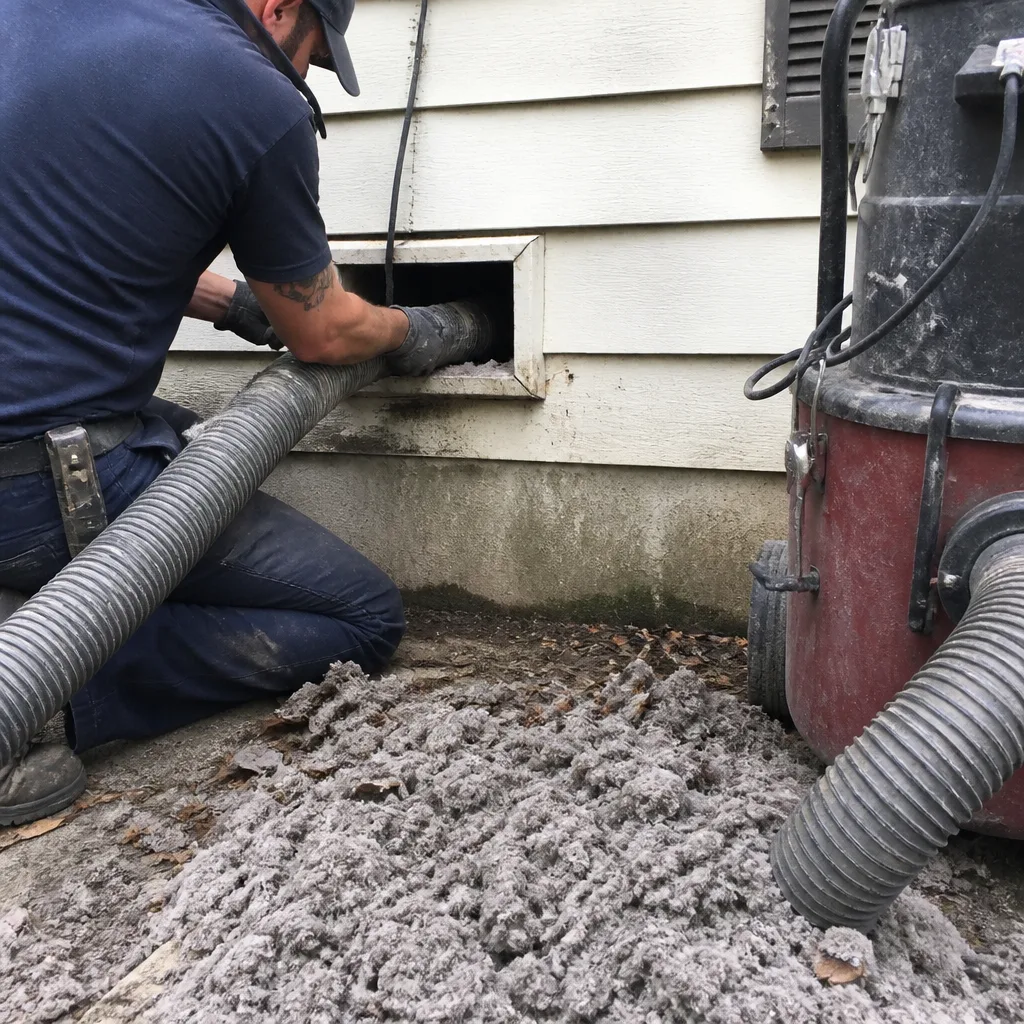
- Accepting the work without documentation. Before-and-after photos of your own ducts are the evidence you have. Without them, you’re trusting a verbal claim that the work was done.
- Overlooking the dryer vent. The dryer vent is a fire-safety component that’s often ignored until it clogs. A contractor who offers it as part of the service is one who’s thinking about whole-home safety, not just duct surfaces.
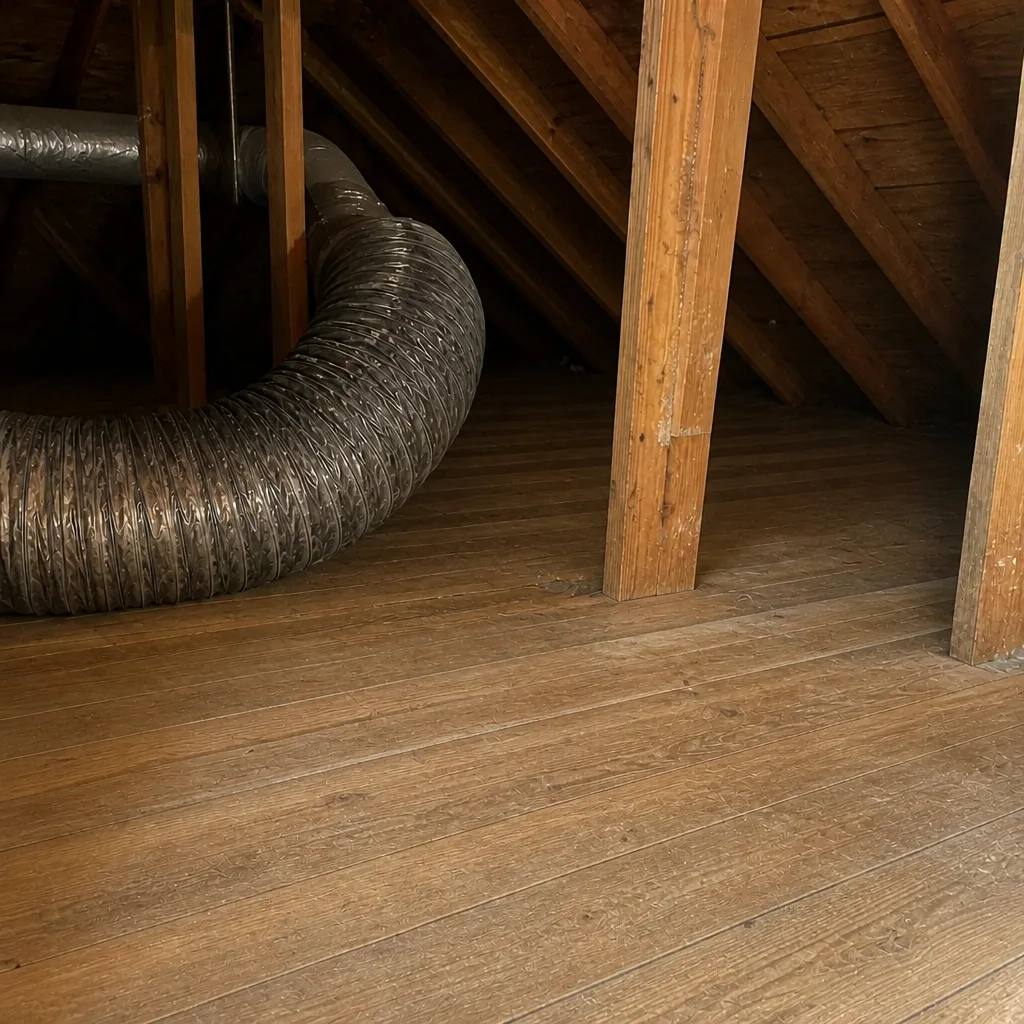
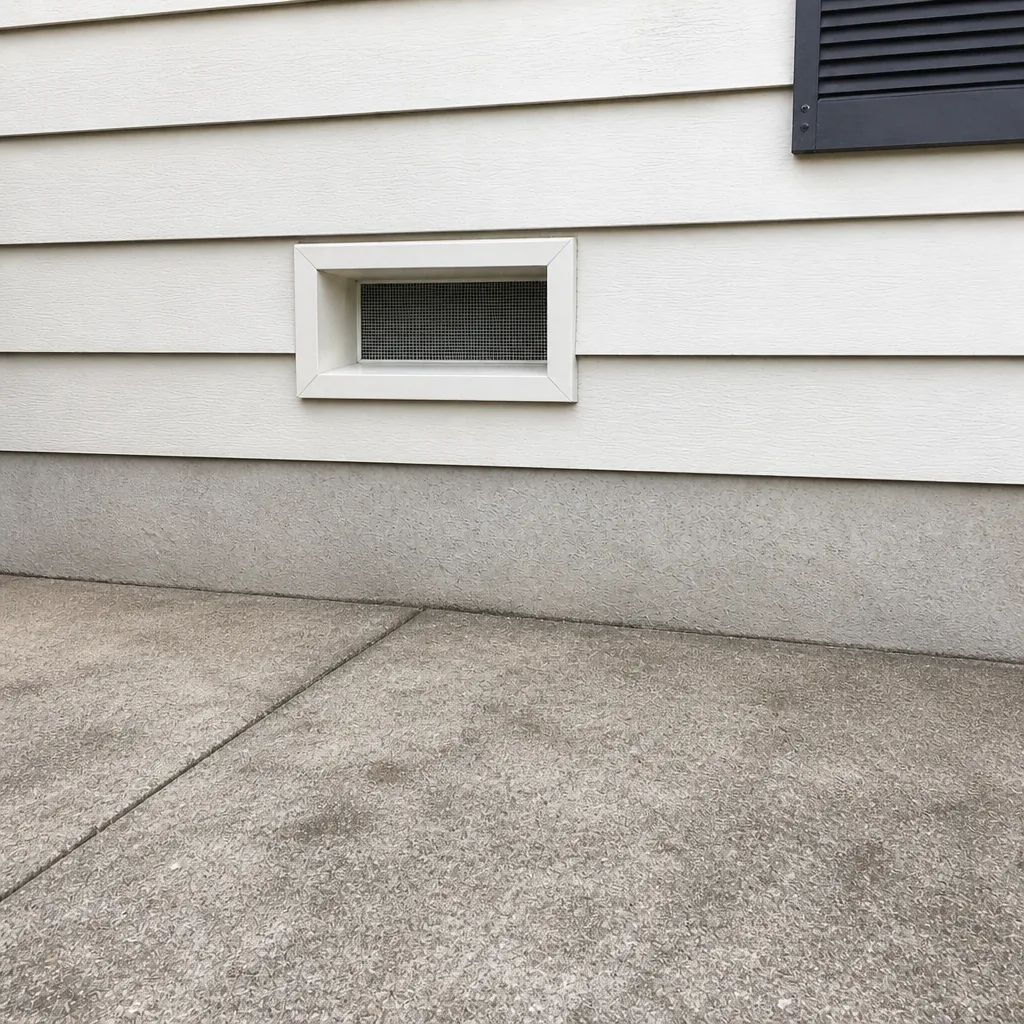
See the difference
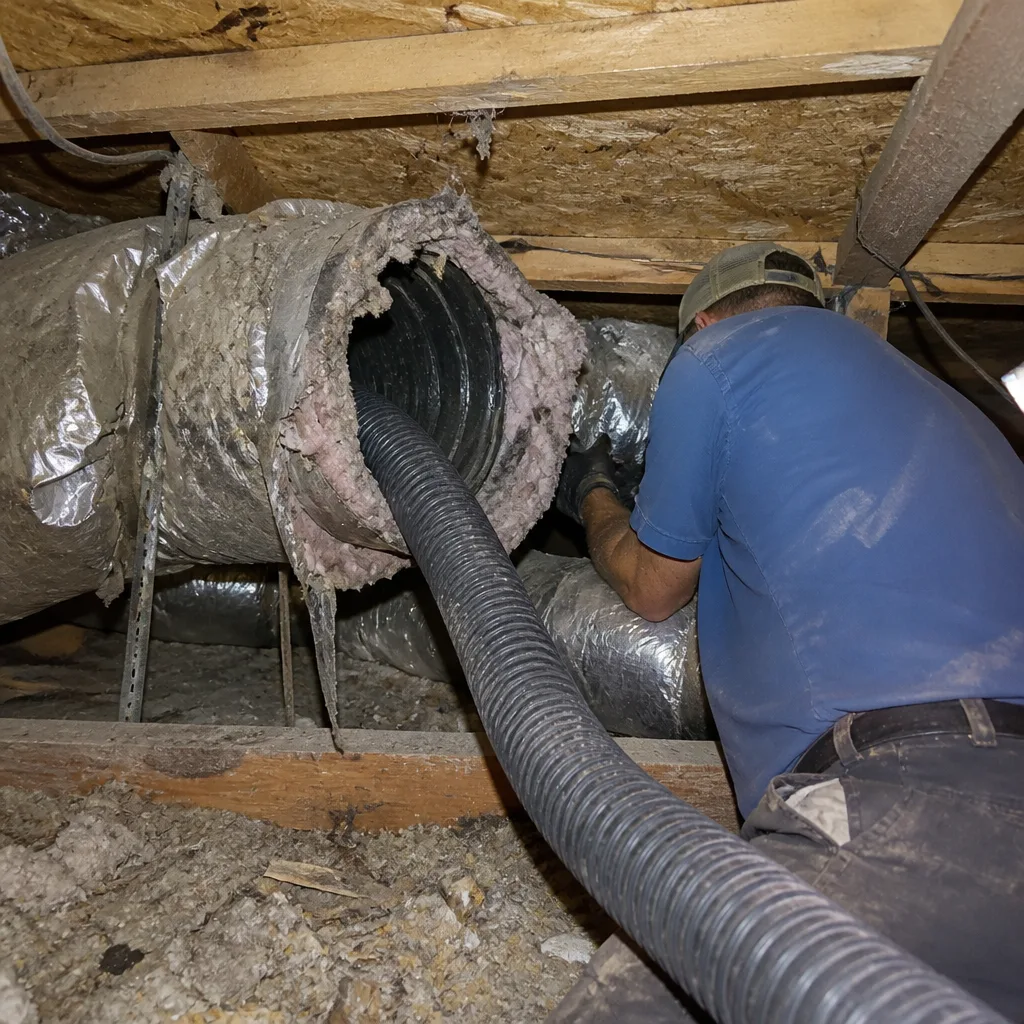 Before
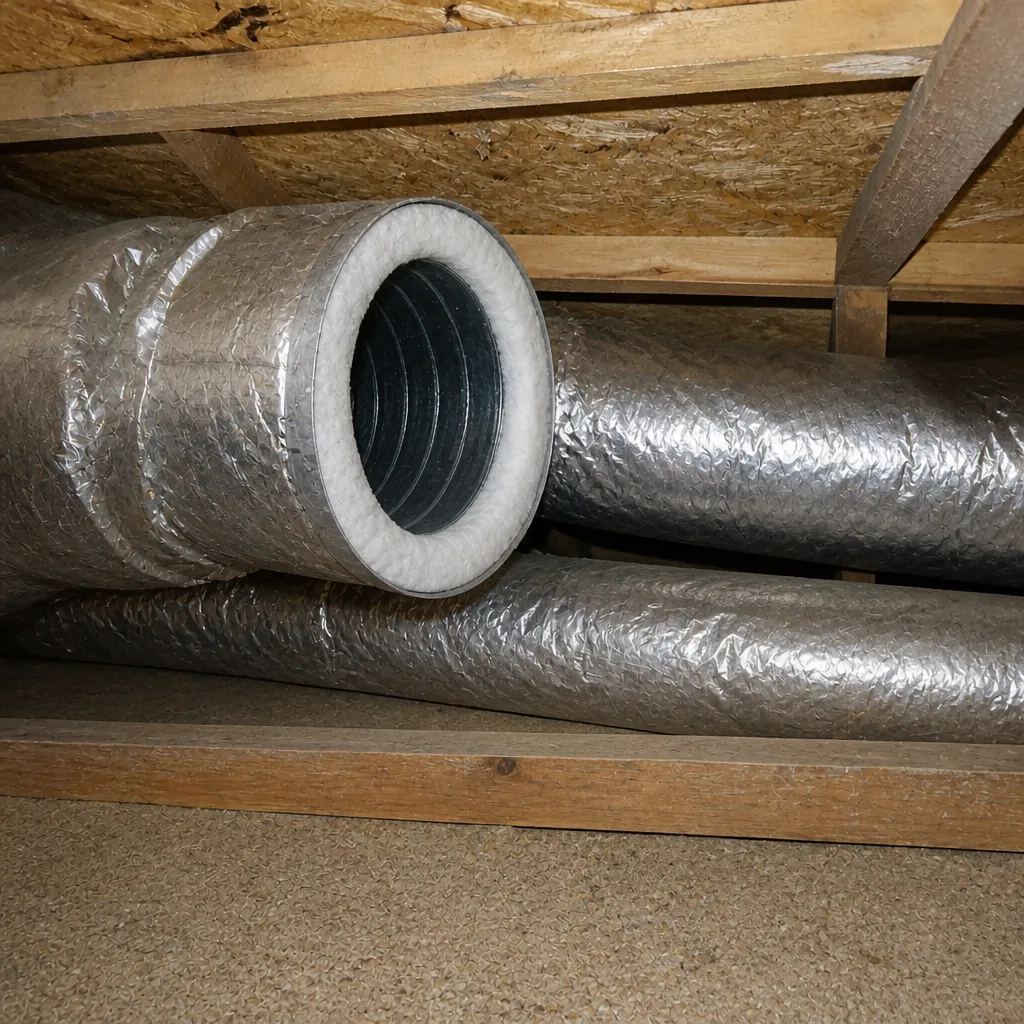 After
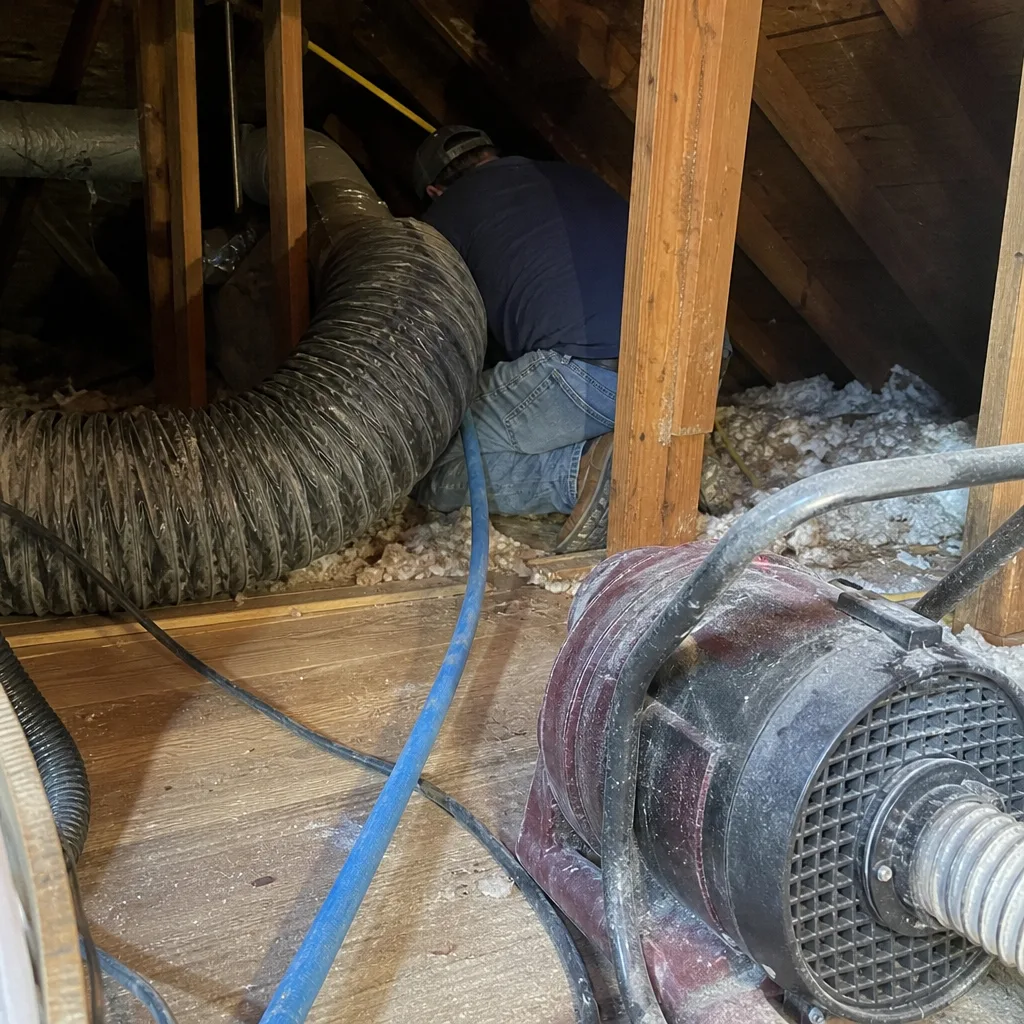 Before
 After
 Before
 After
When to Call a Professional
Some signs point clearly toward needing a skilled contractor rather than a DIY attempt. If you’re seeing visible dust blow out of the registers when the system kicks on, or if musty odors appear whenever the HVAC starts, those are worth a call. Persistent allergy symptoms in the house, especially when they track with HVAC cycling, deserve an inspection. If your energy bills are rising and the system runs more than it should, duct leaks or blocked runs may be part of the picture. Visible debris around the registers, rodent droppings or pest evidence in the ductwork, or a dryer that’s taking longer to dry a load than it used to all point toward needing a trained technician on site. Don’t run a shop-vac into a return vent yourself; the risk of damaging the liner or unseating a section is real, and the debris ends up elsewhere in the house.
Air Duct Cleaning Irving Park offers free estimates in Irving Park – call (855) 606-6578. We answer 24/7. Fast dispatch from 7am to 7pm, Sunday through Friday.
Frequently Asked Questions
Duct cleaning in Irving Park is priced per system, not per vent, and the number depends on the number of vents, the length and type of duct runs, the air handler’s accessibility, and whether repair or sanitizing is part of the job. We give the price after an intake or on-site inspection and confirm it in a written estimate that sets the final price. Call (855) 606-6578 for an exact quote – estimates are free.
Cheap quotes usually mean a smaller scope. A low number may cover a handful of vents, skip the air handler, use consumer-grade vacuum equipment, and provide no documentation or liability clause. The contractor arrives, finds “severe contamination,” and the price increases mid-job. A fair quote names the scope, the equipment, and the CFM rating up front. Call (855) 606-6578 for an exact quote – estimates are free.
Ask for before-and-after photo or video documentation of your own ducts, plus a written report of what was found and what was cleaned. A serious contractor documents as a matter of process. If a contractor can’t or won’t document, that’s your answer about what to expect from the job. Call (855) 606-6578 for an exact quote – estimates are free.
Most homes benefit from an inspection every few years and cleaning when the inspection shows enough buildup to justify it, rather than on a fixed calendar. Homes with shedding pets, recent renovation dust, or a history of moisture in the system tend to need it sooner. Call (855) 606-6578 for an exact quote – estimates are free.
Yes, if they use underpowered vacuum equipment or stiff brush attachments that tear the flex liner or disconnect a section. That’s why we ask about equipment and CFM rating before the job. Proper equipment controls pressure and keeps the duct intact. Call (855) 606-6578 for an exact quote – estimates are free.
It’s part of our service portfolio, not a separate call to a different contractor. Dryer vent cleaning is a fire-safety service, and we handle it alongside duct, HVAC, and air quality work. One call covers the full air pathway in the home. Call (855) 606-6578 for an exact quote – estimates are free.
The Bottom Line
Hiring an air duct cleaning contractor in Irving Park comes down to a handful of questions and a written contract. Verify certification in 60 seconds on the NADCA site. Ask what vacuum equipment they use and what CFM rating it operates at. Require a site visit or detailed intake before any final quote. Insist on a written scope that names the equipment, addresses liability for duct damage, and commits to before-and-after documentation. Compare quotes on scope, not price tag. Price is real, but it isn’t the whole picture, and the cheapest bid is rarely the cheapest outcome. Air Duct Cleaning Irving Park is here to give you a straight answer on any of it.
Call (855) 606-6578 for a free estimate. We answer 24/7. Fast dispatch from 7am to 7pm, Sunday through Friday, and we’re closed Saturday.
Written by the team at Air Duct Cleaning Irving Park.