
Last updated November 24, 2026
 Whole-home duct cleaning
 Dryer vent cleaning
 Camera inspection
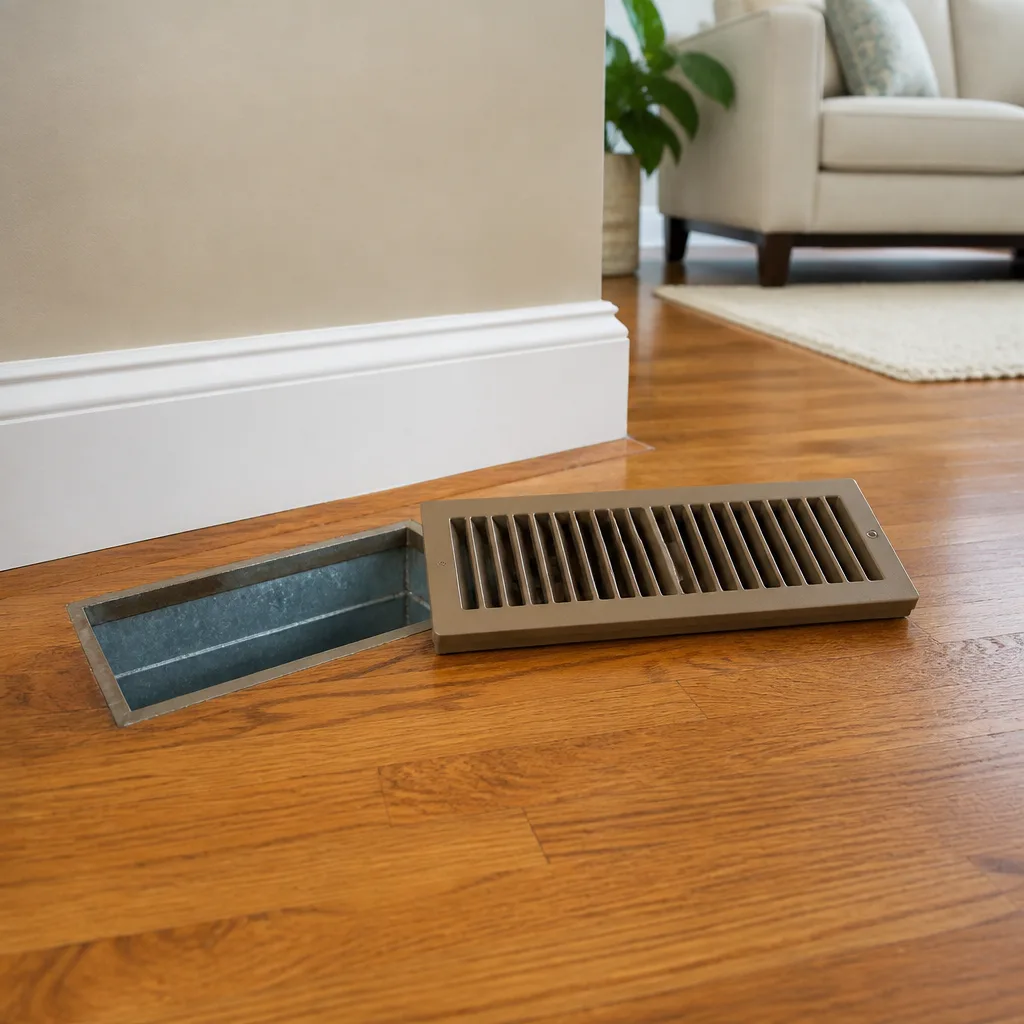 Sanitizing & deodorizing
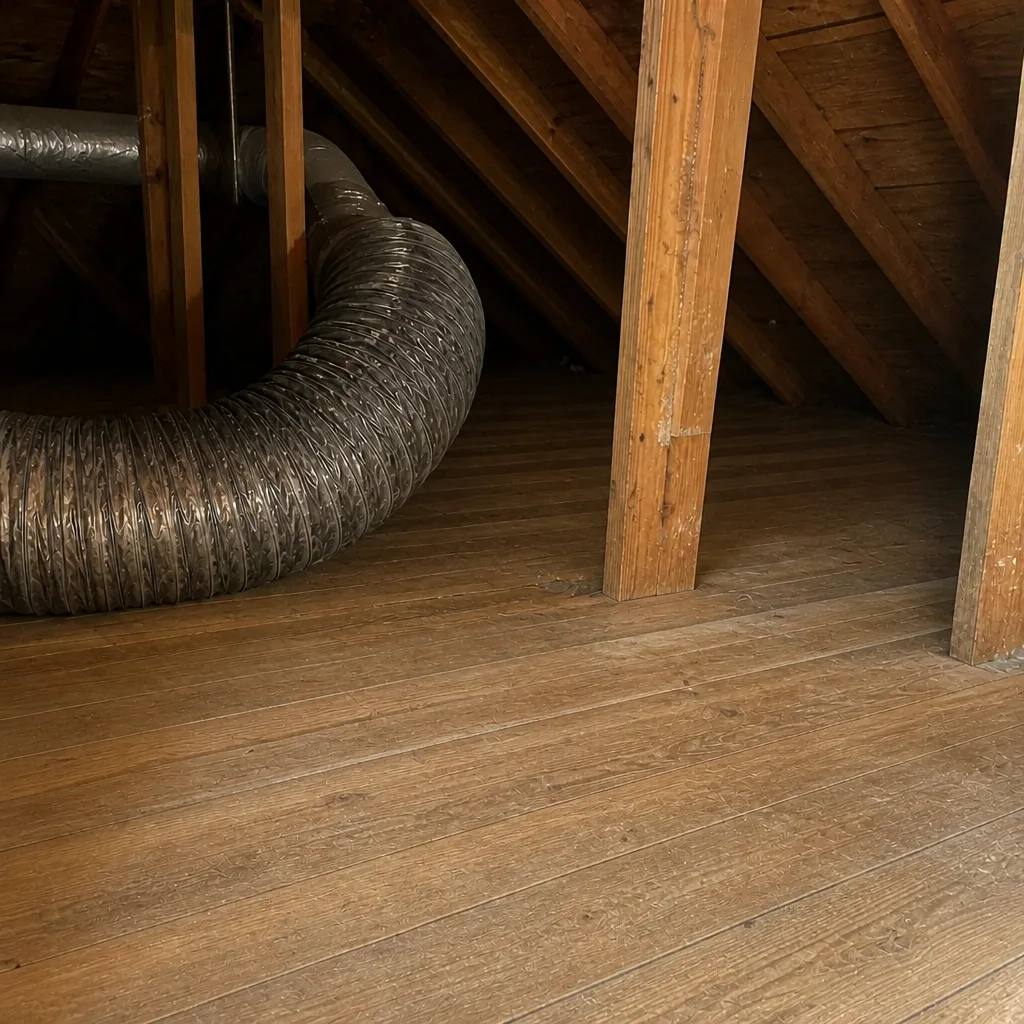
Whole-system duct and dryer vent check with before-and-after photos - you see exactly what came out of your vents
That "$99 whole-house special" is a bait ad - the real number appears once they are in your hallway, or the "clean" is a shop-vac at the register. We photograph the inside of your ducts before and after instead.
The Complete Guide to Air Duct Cleaning in Irving Park
Most people picture their ductwork as a single pipe running through the house. It isn’t. It’s a branching network with a return side, a supply side, a blower cabinet, a plenum, and dozens of joints where the pieces meet. The parts you can see through a floor grille are maybe a fraction of the whole system, and that’s exactly where a lot of cleaning stops. We wrote this guide to map the entire air pathway from return grille to supply boot, because in Irving Park’s mix of older ranch homes and humid summers, cleaning half the system is almost worse than not cleaning it. You’ll learn what actually needs cleaning, why equipment matters, and how to tell a real job from a quick one.
Quick Answer
Air duct cleaning in Irving Park means cleaning the whole air pathway, not just the accessible vents: the return grilles, the supply runs, the plenum chamber, the air handler cabinet, and the blower. Homes here tend to have long duct runs in unconditioned attics and crawl spaces, which means a portable vacuum unit often can’t maintain the negative pressure needed to pull debris out rather than push it around. A proper job uses professional-grade equipment like Rotobrush or Nikro systems, includes an inspection of the plenum and air handler, and finishes with sealing so the clean ducts stay clean.
Styles & brands we work with
- Whole-home duct cleaning
- Dryer vent cleaning
- Camera inspection
- Sanitizing & deodorizing
Table of Contents
- Why the Air Pathway Matters More Than the Vents
- How Irving Park’s Humidity and Housing Stock Shape Contamination
- Negative-Pressure Truck-Mount vs. Portable Units
- The Plenum Chamber and Air Handler: The Dirtiest Section
- What NADCA ACR Standards Actually Require
- Duct Sealing After Cleaning: Stopping Recontamination
- What a Full-Service Job Looks Like, Step by Step
- How Much Air Duct Cleaning Costs in Irving Park
- Common Mistakes to Avoid
- When to Call a Professional
- Frequently Asked Questions
Why the Air Pathway Matters More Than the Vents
Air doesn’t travel in a straight line from the furnace to the living room. It gets pulled through return grilles, down a trunk line, into the air handler, across the blower and coil, up into the supply plenum, and out through branch runs to individual supply boots. Contamination collects unevenly along that path. The return side is usually dustier because it’s pulling air from living spaces. The plenum is often the worst because airflow is turbulent there and dust sticks to the interior of the cabinet. The supply runs tend to be cleaner but still collect construction debris, insulation fibers, and whatever settled during previous renovations.
When a company cleans only the accessible vents and a few feet of flexible duct, they skip the sections where contamination accumulates most. We’ve seen plenty of Irving Park homes where the visible grilles looked fine but the plenum was coated in a half-inch of dust and the evaporator coil was loaded with lint. Cleaning the visible parts and leaving the rest alone can actually stir up particles that settle back into the system within a few weeks.
Here’s what a full pathway map looks like in a typical Irving Park home:
- Return grilles and return ducting – pulls air from bedrooms, hallways, and the main living areas
- Air handler cabinet – houses the blower, filter rack, and often the evaporator coil
- Plenum chamber – the transitional box between the air handler and the main supply trunk
- Main trunk line – the largest supply duct, usually running the length of the house
- Branch runs – smaller ducts feeding individual rooms
- Supply boots and grilles – the final point where air enters the room
The point is simple: clean the whole path or don’t bother calling it a cleaning. That’s the foundation of our air duct cleaning approach, and it’s what separates a real job from a surface wipe-down.
How Irving Park’s Humidity and Housing Stock Shape Contamination
Not all duct contamination looks the same, and in Irving Park the mix depends heavily on two factors: the humidity and the age of the housing stock. Piedmont North Carolina summers push relative humidity high enough that condensation can form inside ductwork, especially when the system cycles on and off and the ducts sit in a hot attic. Wet dust becomes a food source for mold and mildew. And once mold establishes itself on the interior lining of duct board or on the coil, cleaning without sanitizing leaves spores behind.
Older Irving Park homes present their own challenges. Many were built with duct board plenums or metal ductwork lined with interior insulation. Those linings trap dust more aggressively than bare metal and can flake if they’re disturbed by over-aggressive brushing. Homes that have been through renovations often have construction debris lodged in branch runs – drywall dust, wood shavings, insulation fibers. Homes with crawl space ductwork frequently show rust and corrosion from ground moisture that migrates up through the crawl.
What this means for you as a homeowner:
- Dust contamination – the most common, usually in homes where the filter hasn’t been changed often enough or the return side is undersized
- Microbial growth – more likely in homes where ducts run through humid attics or where the AC has run with a wet coil for long periods
- Debris – construction residue, insulation fibers, and pest evidence in older homes with porches or crawl spaces
- Mixed contamination – the most common scenario in Irving Park, where dust and microbial growth overlap and a simple vacuum doesn’t solve the problem
If your ductwork is in a humid attic or a damp crawl space, ask specifically about sanitizing, not just cleaning. The right products make the difference between removing visible dust and actually addressing what’s growing on the surfaces.
Negative-Pressure Truck-Mount vs. Portable Units
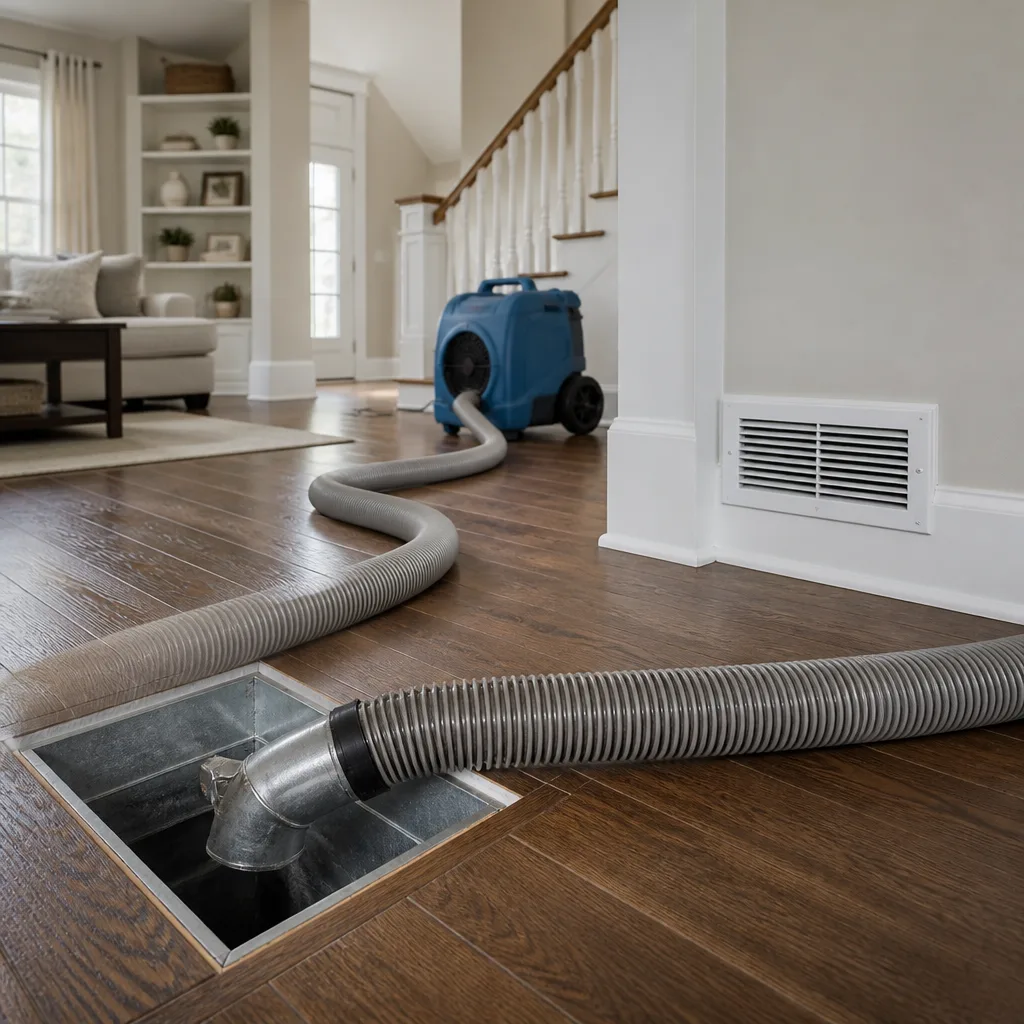
Equipment is the single biggest factor separating a thorough duct cleaning from a cosmetic one. Negative-pressure systems work by connecting a large vacuum to the ductwork and pulling the entire run into a state of lower pressure than the room. That pressure differential is what pulls debris out of every branch and into the collection unit rather than blowing it into the living space. Portable units, which are often just shop-vac-style machines with a longer hose, can’t build or hold that pressure across long duct runs.
In Irving Park, this matters more than it does in a compact new-build subdivision. Ranch-style homes here often have thirty- to fifty-foot duct runs from the air handler to the farthest bedroom. A portable unit running at the far end loses suction long before it reaches the plenum. A truck-mount or trailer-mount negative-pressure unit connected near the air handler pulls the whole system toward one collection point, which is the only way to actually remove debris from the far branches.
The equipment inside the ducts matters just as much. Professional-grade source-removal tools like Rotobrush and Nikro systems use rotary agitation, flexible whip lines, and HEPA-filtered containment to break up caked-on dust and pull it out without over-spraying it into the room. Consumer vacuums advertised as “professional” duct cleaners are usually just a shop vac with a longer hose, and they leave the interior surface coated rather than clean.
What technology to look for
- Negative-pressure collection – truck-mount or trailer-mount, connected to the air handler or trunk
- HEPA filtration on the collection unit – keeps fine particles out of the exhaust air
- Rotary agitation tools – Rotobrush or Nikro whip lines that scrub the interior of every run
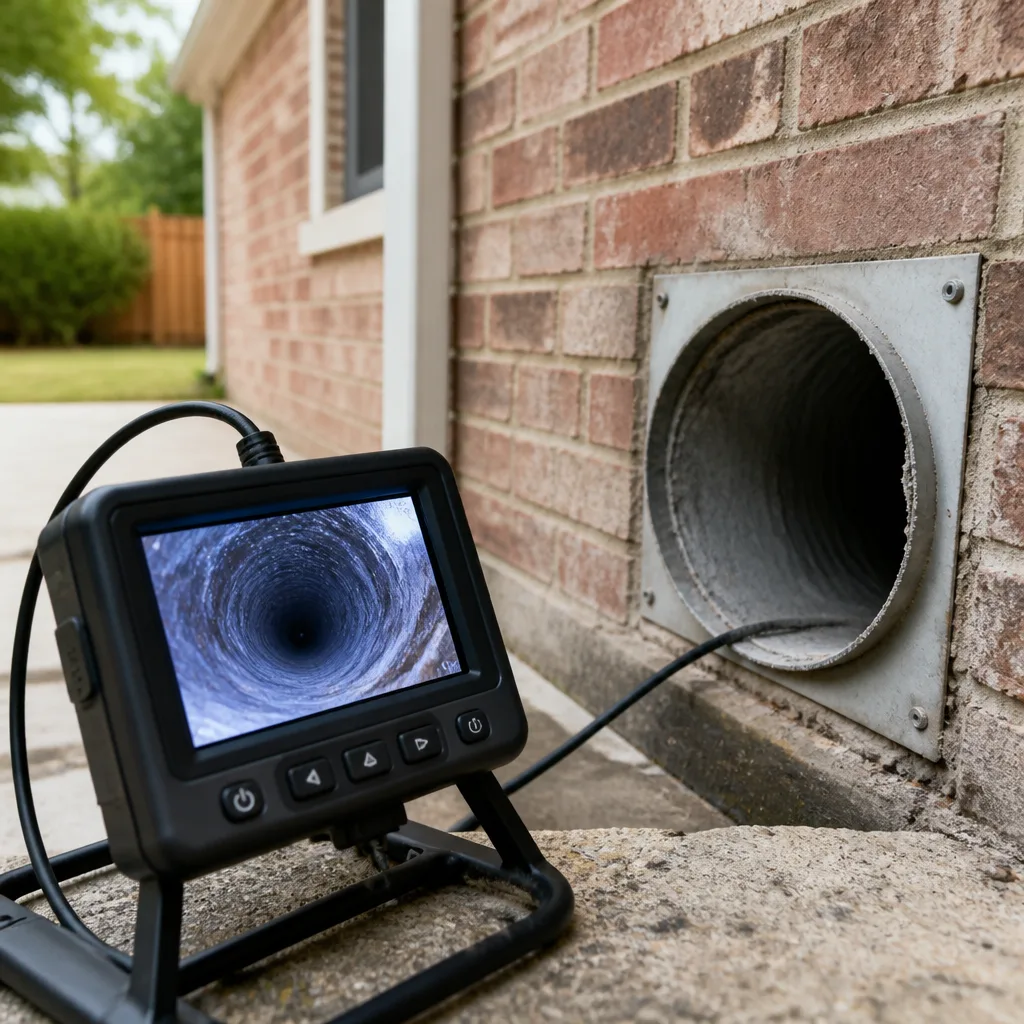
- Camera inspection – lets the technician show you before-and-after footage of your own ducts
- Sanitizing equipment – for addressing microbial growth, not just dust
When you’re comparing quotes, ask what equipment will be on-site. If the answer is vague, the job will be too.
The Plenum Chamber and Air Handler: The Dirtiest Section
If we could only clean one section of a house’s air pathway, it would be the plenum and the air handler cabinet. That’s where the air changes direction, where the coil sits, and where the highest turbulence happens. Every cubic foot of air that enters your living spaces passes through the plenum first. If the plenum is coated in dust and the coil is matted with lint, the room is getting filtered through a dirty sock no matter how clean the branch runs are.
The plenum is also where a lot of “cleaning” jobs quietly stop. A technician can shine a light through a return grille and see dust, then attach a vacuum to the branch runs and call it a day. But if the plenum was never opened and the air handler cabinet was never cleaned, the system will re-contaminate the branch runs within a few weeks because every cycle pushes more dust off the coil and plenum surfaces back into the supply side.
What proper plenum and air handler cleaning involves:
- Removing and inspecting the filter rack and blower compartment
- Cleaning the interior surfaces of the plenum chamber with HEPA equipment
- Cleaning the evaporator coil with coil-safe products (not just spraying water)
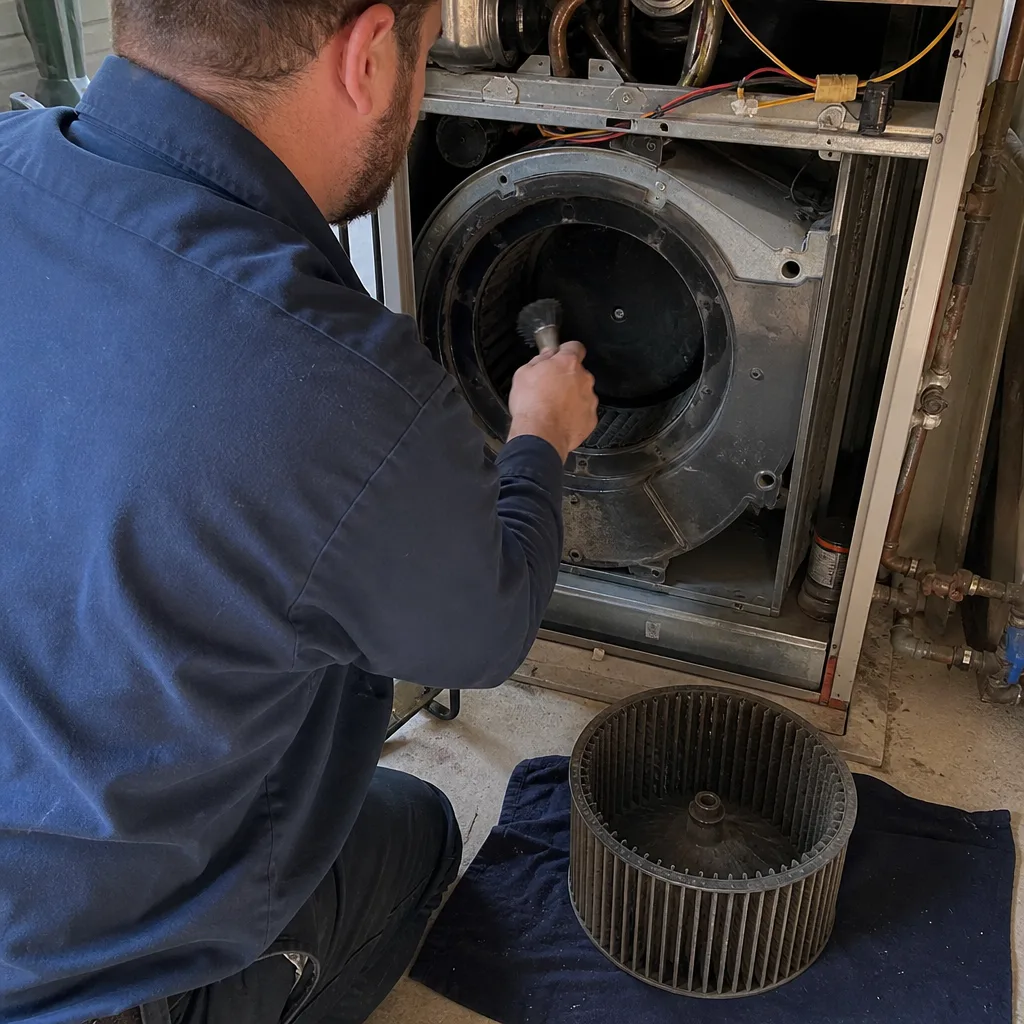
- Cleaning the blower wheel, which traps lint and reduces airflow when clogged
- Sanitizing surfaces where microbial growth is present
This is also the section where HVAC cleaning overlaps with duct cleaning. The two aren’t separate jobs in a healthy system. They’re the same job performed at different parts of the same pathway. When we clean an air handler in an Irving Park home, we sanitize the plenum and coil surfaces with products from Abatement Technologies and Guardsman – the same brands used in remediation and commercial air quality work – so we’re not just removing dust but addressing what’s growing on the wet surfaces.
What NADCA ACR Standards Actually Require
The NADCA ACR standard (Assessment, Cleaning, and Restoration of HVAC Systems) is the industry benchmark for what a legitimate duct cleaning job looks like. It’s not a law, and it’s not enforced by any government agency, but it’s the reference point that separates a professional contractor from a budget operator. Knowing what it requires will help you evaluate quotes honestly.
What the standard actually covers:
- Assessment before cleaning – a proper job starts with an inspection, not a vacuum. The technician should look at the system, identify contamination type, and recommend a scope of work.
- Source removal, not just surface cleaning – the standard requires removing contamination from the source, not just agitating it into the air stream.
- Negative-pressure containment – the system must be under negative pressure so debris is collected, not redistributed.
- Cleaning of all accessible components – ducts, plenum, coil, blower, and drain pan are all in scope.
- Post-cleaning verification – visual inspection or camera verification after the job.
What budget cleaners typically do instead: arrive with a portable unit, blow compressed air through the visible grilles, vacuum the entry point, and leave. No inspection, no containment, no plenum access, no verification. That’s why a $99 coupon priced job can leave your system dirtier than when it started.
The best way to check whether a company actually follows the standard is to ask three questions: Will you inspect before cleaning? Will the system be under negative pressure? Will I see before-and-after photos of my own plenum and air handler? If any answer is no, you’re not talking to a NADCA-style operation. Also note that ACR doesn’t authorize or verify a company on its own – it’s a standard of practice, not a license – so combine the standard with a check that the local pro is licensed and insured as North Carolina requires.
Duct Sealing After Cleaning: Stopping Recontamination
Cleaning without sealing is a job that gets undone by the house itself. In Irving Park, most ductwork runs through unconditioned spaces – attics, crawl spaces, sometimes a garage soffit – and every one of those spaces is a source of infiltration. When ducts are under positive pressure on the supply side, air pushes out through loose joints and seams. When they’re under negative pressure on the return side, air pulls in from the attic or crawl. That pulling-in air carries insulation fibers, dust, and humidity, all of which end up back inside the ducting you just paid to have cleaned.
Sealing closes the gaps. It also delivers another benefit: measurable efficiency. Leaky ducts waste conditioned air before it reaches the room, which is why homes with poorly sealed ductwork often show up with higher energy bills than the system’s performance would predict. Sealing after cleaning is the natural extension of the cleaning process, and it’s a capability that most duct cleaning services don’t offer at all.
What sealing involves
- Locating leaks at joints, seams, boots, and plenum penetrations
- Sealing with mastic, foil tape rated for HVAC use, or aerosol-based duct sealing for hard-to-reach runs
- Verifying with a pressure or airflow test where accessible
- Re-checking the filter rack and grille connections after sealing
Sealing is also the point where we talk about filtration. A clean, sealed system with a mismatched filter is still going to load up quickly. Familiarity with Honeywell and Aprilaire filtration and air treatment products means we can talk through whether your current filter setup is undersized for the return, or whether a media cabinet or higher-MERV filter would do the job better without restricting airflow.
What a Full-Service Job Looks Like, Step by Step
Every Irving Park job is different, but a full-pathway cleaning follows the same sequence. Knowing the steps helps you ask the right questions when comparing quotes.
- Walk-through and inspection. The technician maps the system, identifies duct type, checks filters, and notes any obvious leaks or damage. Camera inspection of the plenum and main trunk is standard.
- Setup and containment. Negative-pressure equipment is connected at the air handler or trunk. Supply and return grilles are covered or removed as needed.
- Return-side cleaning. Rotary agitation tools (Rotobrush or Nikro) work each return run back to the collection point.
- Plenum and air handler cleaning. The cabinet is opened, the blower and coil are cleaned, and the plenum surfaces are HEPA-vacuumed and sanitized.
- Supply-side cleaning. Each branch run and supply boot is cleaned with agitation tools, working toward the collection point.
- Sanitizing where needed. Abatement Technologies or Guardsman products are applied to surfaces showing microbial growth.
- Duct sealing. Loose joints and seams are sealed to prevent recontamination.
- Verification and walk-through. Before-and-after photos are taken. The system is tested, and the technician walks the homeowner through what was done and what was found.
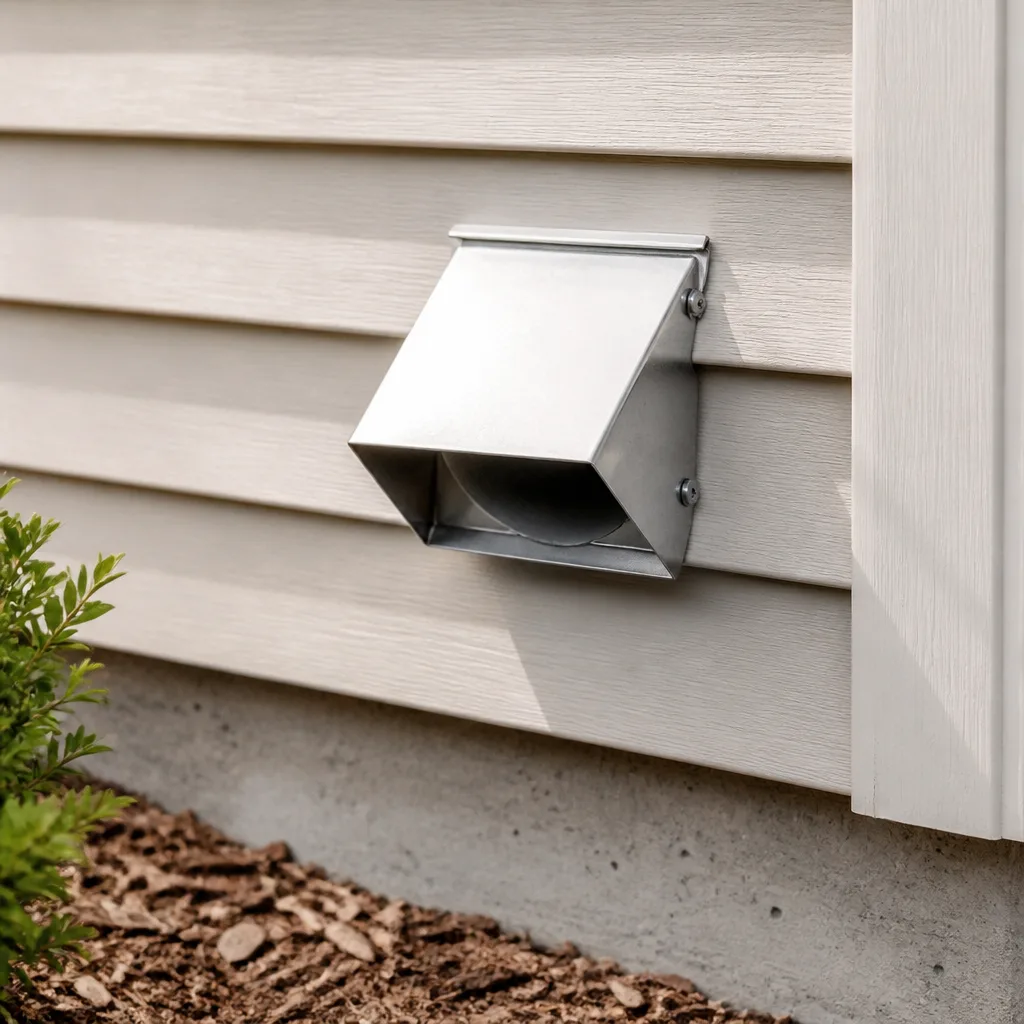
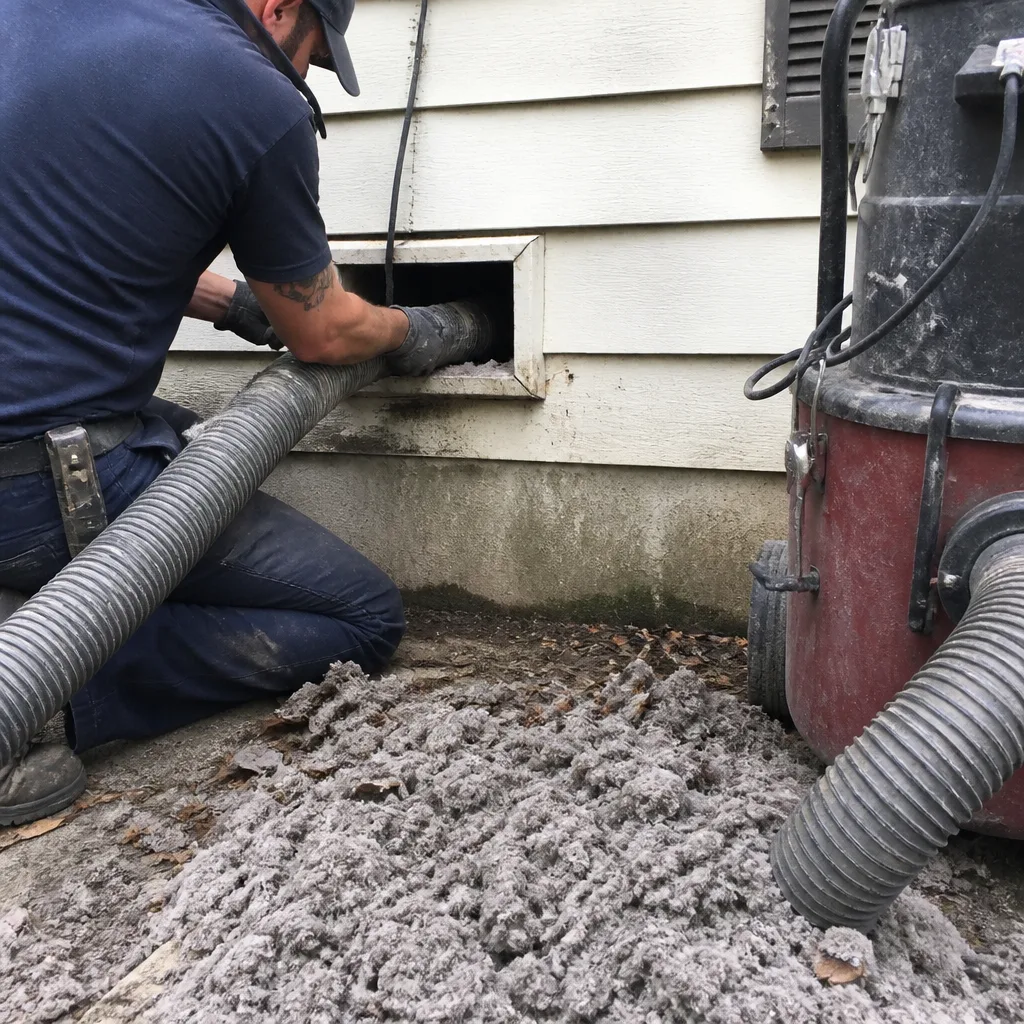
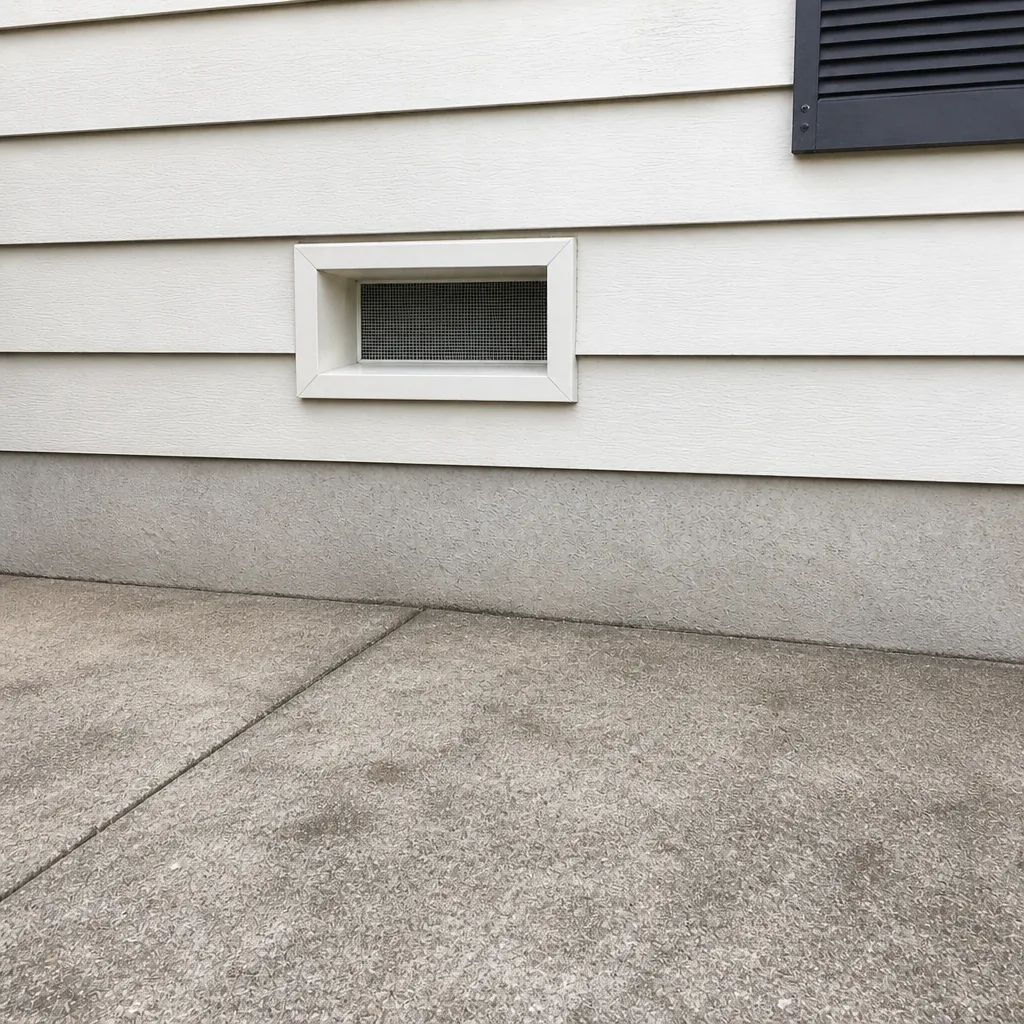
If your dryer vent is on the same wall or in the same utility closet as the air handler, we also check it during the visit. dryer vent cleaning is part of the same whole-home safety picture, and lint buildup in the vent is one of the more common fire risks we come across during a routine duct visit.
How Much Air Duct Cleaning Costs in Irving Park
Air duct cleaning in Irving Park typically ranges from a few hundred dollars for a small, simple system to over a thousand for larger homes with humid attic runs, heavy contamination, or duct repair and sealing included. The price should always be quoted per system, not per vent, and confirmed in a written estimate before any work starts.
Here’s a rough breakdown of how the price is usually built:
- Base whole-system cleaning – priced by the size and complexity of the system, not by the number of grilles
- Plenum and air handler cleaning – typically included in a full-pathway job, sometimes priced separately by budget operators
- Sanitizing – quoted only when microbial growth is present or requested
- Duct sealing – priced by the number of leaks and the sealing method used
- Dryer vent cleaning – often added as a combined service in the same visit
Two things to watch for on the pricing side. First, per-vent pricing usually hides the real scope – a house with twenty grilles and a job with ten grilles can be the same amount of ductwork, and per-vent quotes don’t reflect that. Second, teaser coupons that price the “cleaning” at a small fraction of the real cost almost always add plenum cleaning, sanitizing, and repair as extra line items once the technician is on site. We put one flat price per system in writing before work starts, so there are no surprises on the invoice.
If you’re trying to compare quotes from this area, get a written estimate on the whole system – duct runs, plenum, air handler, and any sealing or sanitizing you’ve been told is needed. Call (855) 606-6578 for a free estimate. We answer 24/7. Fast dispatch from 7am to 7pm, Sunday through Friday.
Common Mistakes to Avoid
- Hiring the cheapest per-vent coupon and expecting a whole-system job. A low per-vent price is almost always for a partial cleaning that skips the plenum and air handler, which is where contamination builds up most. Ask what’s included before booking.
- Skipping the plenum inspection. If the technician never opens the air handler cabinet, you’re not getting a full-pathway cleaning. The plenum is the dirtiest section in most Irving Park homes.
- Cleaning without sealing. A clean set of ducts in an unsealed system re-contaminates within weeks because attic and crawl space infiltration pulls straight back in. Sealing should be part of the conversation.
- Assuming a portable vacuum counts as professional equipment. Shop-vac-style units can’t hold negative pressure across the long duct runs common in Irving Park’s ranch homes, so debris gets redistributed instead of removed.
- Ignoring the filter rack and coil. A clean duct system behind a clogged filter and a matted coil just re-dirties itself. Filtration setup matters as much as the cleaning.
- Treating a musty odor as normal. A musty smell after the AC runs usually signals microbial growth in the plenum or on the coil. It’s a solvable problem once sanitizing is included in the scope.
- Forgetting the dryer vent. Lint buildup in the dryer vent is a separate safety issue from ductwork, but it’s the same visit and the same whole-home picture. Have it checked at the same time.
When to Call a Professional
Not every home needs a full duct cleaning every year, but there are clear signals that it’s time to schedule one. If you notice musty odor after the AC runs, visible dust blowing out of supply grilles seconds after the system kicks on, or a noticeable increase in allergy symptoms when you’re home, contamination is likely present in the plenum or coil. If your energy bills have crept up while your system’s actual performance hasn’t changed, hidden duct leaks and airflow restriction are worth checking. And if your home has been through a renovation that involved drywall or extensive sanding, construction debris has almost certainly made its way into the branch runs.
The same is true for any home that hasn’t had the ducts inspected since the system was installed, and for anyone moving into an older Irving Park property where the previous owner’s maintenance habits are unknown. Our dryer vent cleaning service often gets scheduled alongside a first-time duct inspection because both fall into the same whole-home safety picture. Air Duct Cleaning Irving Park offers free estimates in Irving Park – call (855) 606-6578. The local pro we connect you with is licensed and insured as their state requires, and the estimate is written per system so the price is set before any work starts.
Frequently Asked Questions
Air duct cleaning in Irving Park typically runs from a few hundred dollars for a straightforward whole-system cleaning to over a thousand for larger homes with heavy contamination, attic runs, or duct sealing included. The price should be quoted per system in a written estimate before work starts. Call (855) 606-6578 for a free estimate.
For most Irving Park homes, every three to five years is reasonable unless something specific happened (renovation, water intrusion, musty odor, or prolonged filter neglect). Homes with attic or crawl space ductwork and high summer humidity may benefit from more frequent inspections. Call (855) 606-6578 and we’ll talk through your specific situation.
Cheap quotes are usually for partial cleaning: visible vents and a short section of duct, with the plenum, air handler, and coil left alone. That’s the majority of the actual contamination. The rest of the price difference is equipment – a portable vacuum versus a negative-pressure system with Rotary agitation – and whether sealing and sanitizing are included. Call (855) 606-6578 for an estimate on the whole system.
Ask for before-and-after photos of your own ducts, plenum, and air handler. A professional operation will document the job with camera images so you can see what changed, and they’ll walk you through what was found. If a company won’t show photos of your system, that’s a red flag. Call (855) 606-6578 to schedule an inspection with documentation.
We cover the full service chain: ducts, dryer vents, HVAC units, plenum and air handler cleaning, duct repair and sealing, and air sanitizing. You don’t need to bring in a second contractor to finish what the first one started. See our air duct cleaning page or call (855) 606-6578 for a full-scope estimate.
We use professional-grade Rotobrush and Nikro systems for source removal, negative-pressure collection equipment, and Abatement Technologies and Guardsman products for sanitizing. Our technicians have up to nine years of experience, and for filtration and air treatment questions we work with Honeywell and Aprilaire systems. Call (855) 606-6578 to ask what your specific home needs.
The Bottom Line
Duct cleaning isn’t a single service, it’s a whole-pathway job. The vent you can see is only part of the picture, and in Irving Park’s mix of older homes, humid summers, and long attic duct runs, cleaning just the visible parts leaves the dirtiest sections untouched. What actually matters: inspection before cleaning, negative-pressure equipment rather than a portable vacuum, plenum and air handler access, sealing after cleaning, and a written per-system price you see before work starts. Those five things are what separate a real duct cleaning from a coupon. If your system hasn’t been inspected, or if you’re noticing musty odors, dust, or rising bills, it’s worth a look. Air Duct Cleaning Irving Park covers the full-service scope from cleaning and sealing to sanitizing, so one visit handles the whole picture.
Call (855) 606-6578 for a free estimate. We answer 24/7. Fast dispatch from 7am to 7pm, Sunday through Friday.
Written by the team at Air Duct Cleaning Irving Park.
See the difference
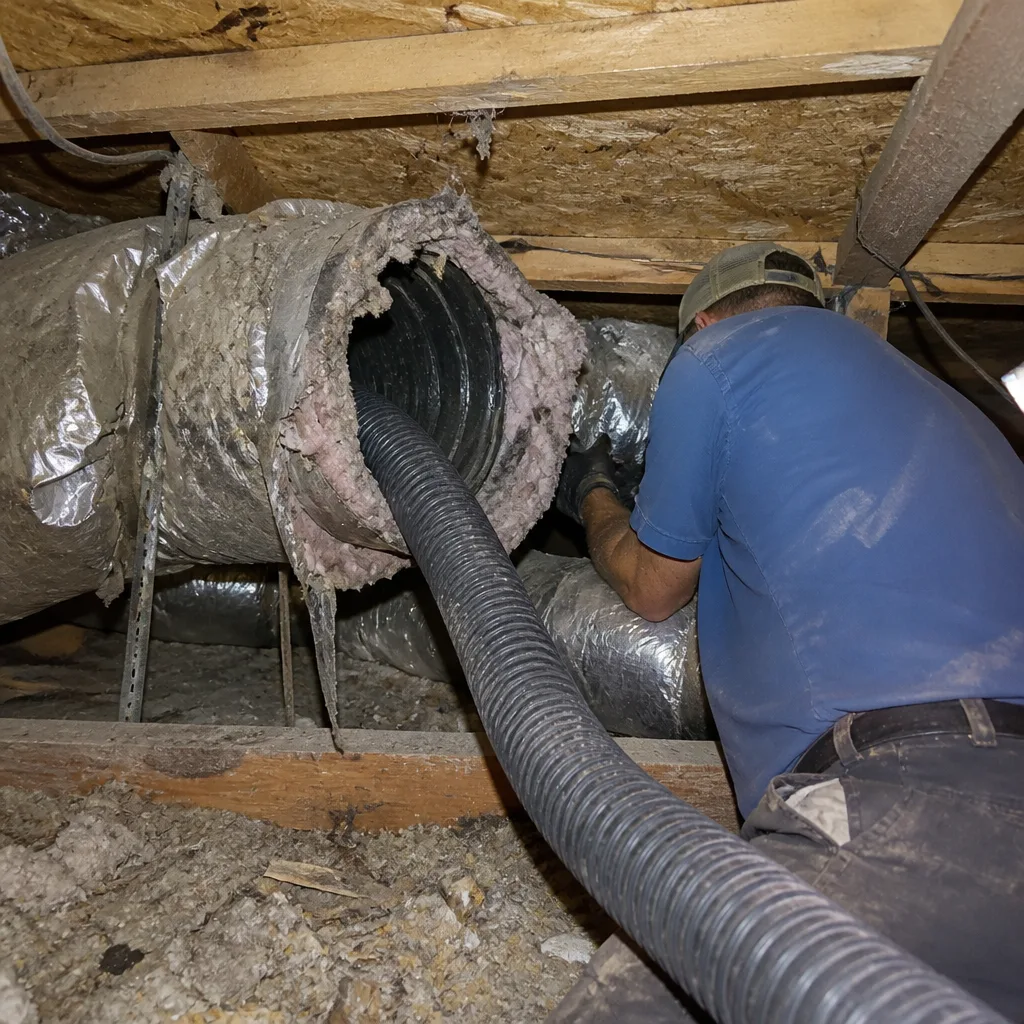 Before
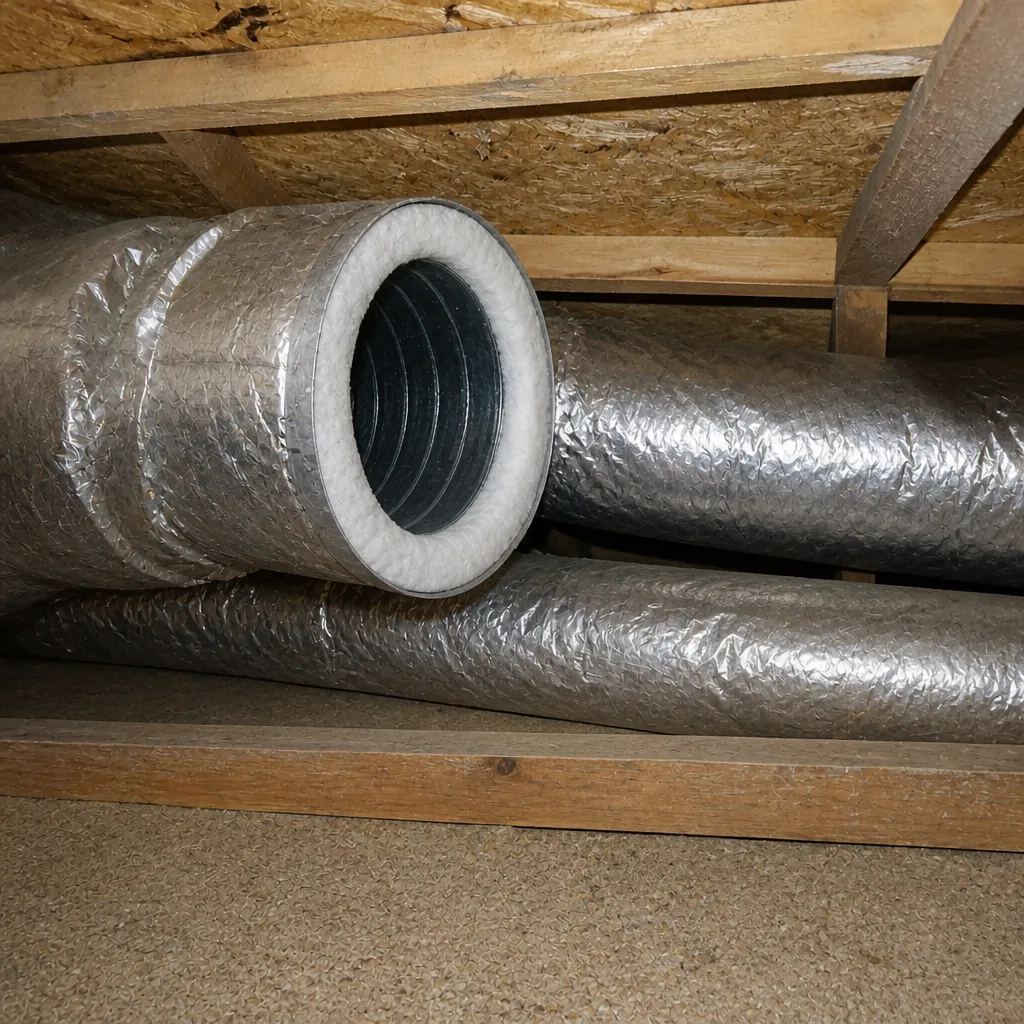 After
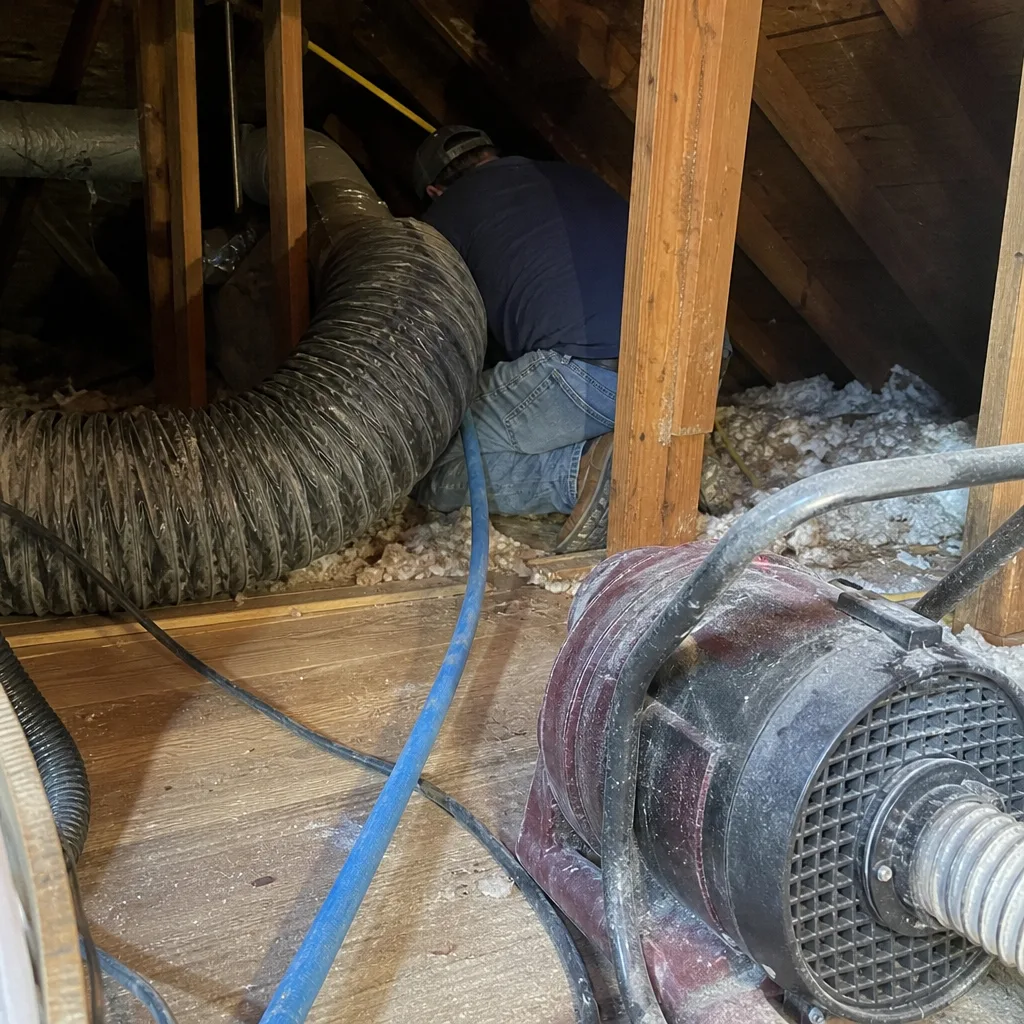 Before
 After
 Before
 After